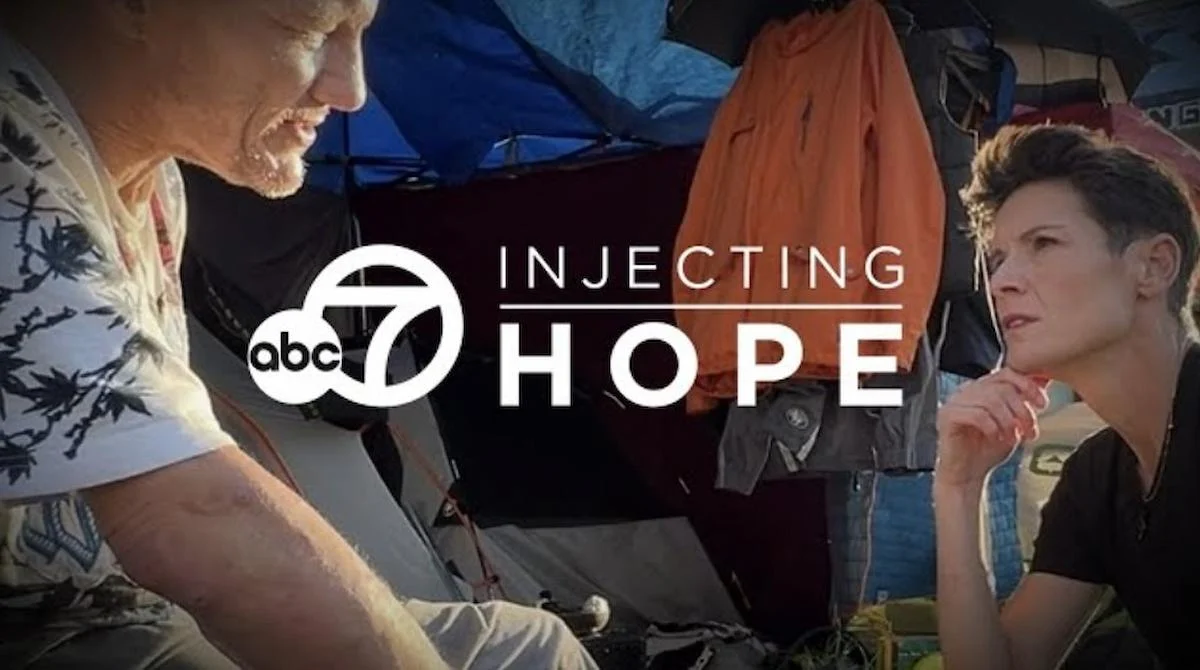
What can the United States learn from Canada’s approach to the overdose crisis? ABC7 News reporter Tara Campbell travels to British Columbia to examine harm reduction and the services designed to keep people who use drugs alive and connected to care. Through personal stories and expert perspectives, the documentary explores supervised consumption, fentanyl, homelessness, trauma, stigma, and barriers to treatment. It also looks inside Insite, North America’s first legally sanctioned supervised consumption site, while examining the broader debate over whether similar approaches could help communities struggling with overdose in the United States.
Fentanyl has transformed Ontario’s opioid crisis, affecting people who use drugs, families, healthcare workers, law enforcement, and communities across the province. This three-part series combines personal stories with expert perspectives to examine fentanyl, prescription opioid addiction, overdose, and the challenges people face when seeking treatment. It also explores harm reduction, public education, law-enforcement responses, and efforts to prevent further deaths. Along the way, people directly affected by addiction share their experiences, showing why understanding the crisis requires looking beyond the drug itself to the people and circumstances behind it.
Families, harm-reduction workers, and experts share their experiences of North Carolina’s fentanyl epidemic and the devastating toll of overdose across the state. The documentary examines how the opioid crisis evolved from prescription medications to heroin and illicit fentanyl, while exploring drug trafficking, pharmaceutical accountability, and the state’s response to rising deaths. It also looks at harm-reduction efforts, including naloxone and fentanyl test strips, and follows people working directly with communities affected by addiction. Their stories show both the human cost of the crisis and the efforts underway to prevent further loss.
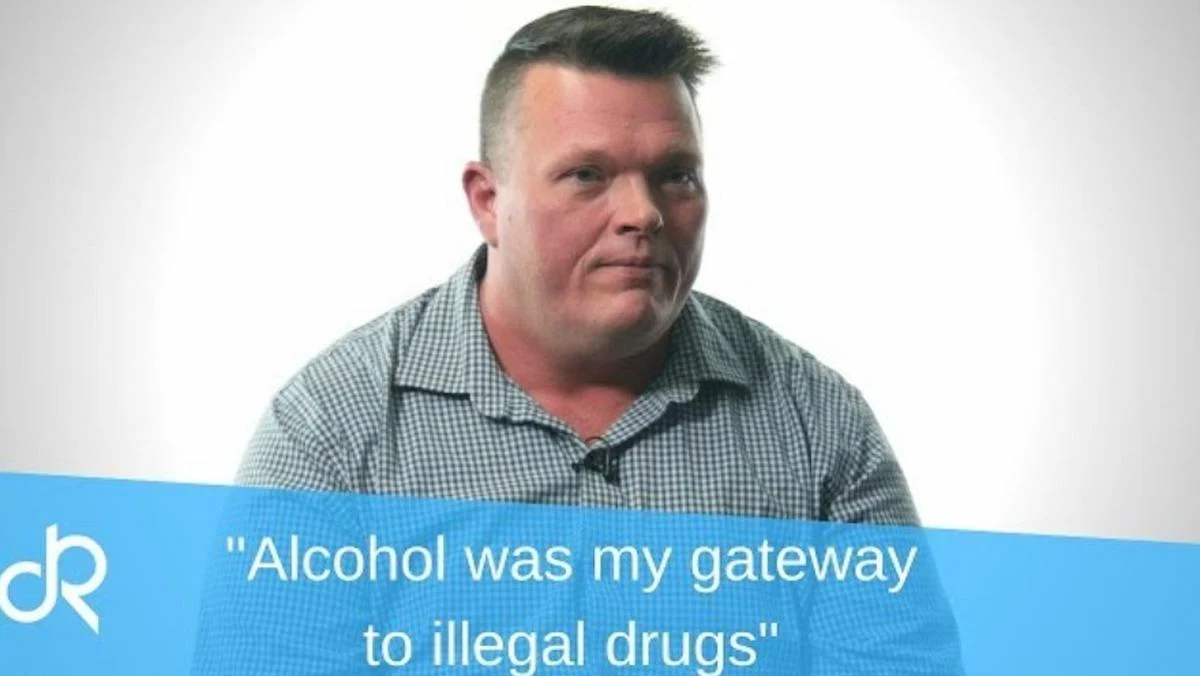
Brady began drinking as a teenager before alcohol became part of a growing cycle of cocaine, prescription pills, benzodiazepines, and eventually heroin addiction. He describes using different substances to control how he felt, the hopelessness and isolation that followed, and serious health consequences that still were not enough to make him stop. After treatment and relapse, Brady began to approach recovery differently. His story explores the progression of addiction and the difficult process of rebuilding a life through treatment, meaningful relationships, community support, and a commitment to making recovery his priority.
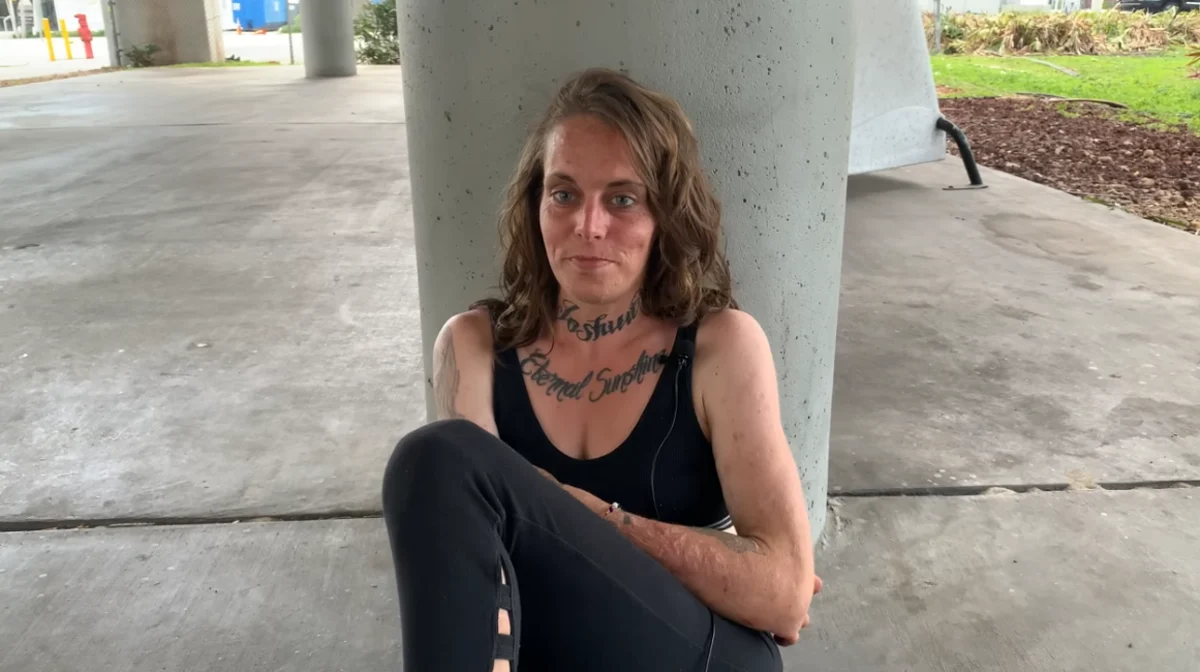
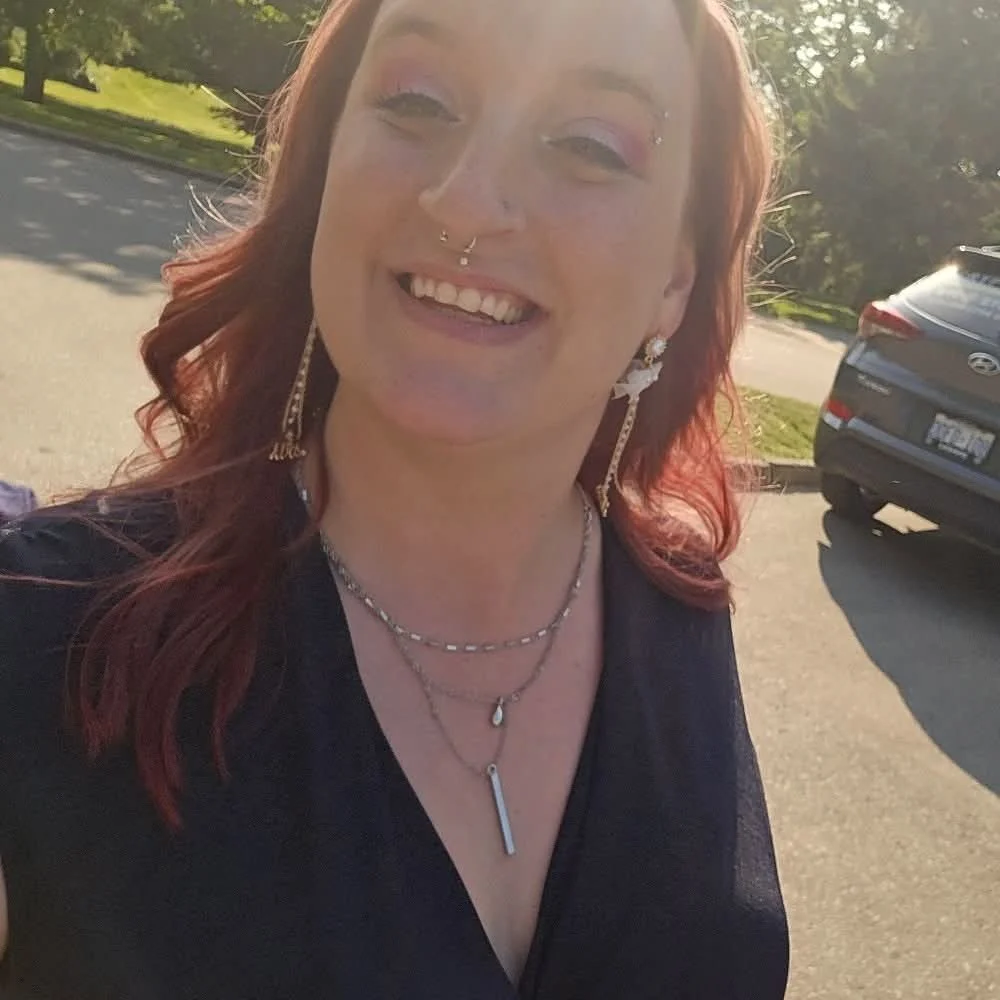
Ariel shares her addiction story, reflecting on the childhood abuse, trauma, homelessness, and instability that shaped her life and substance use. She speaks openly about methamphetamine, heroin, fentanyl, and crack cocaine, as well as the role drugs played in numbing painful experiences from her past. Follow-up interviews and updates over the next several years show Ariel continuing to struggle with addiction despite periods of treatment and attempts at recovery. Her story offers an honest look at the long and complicated nature of addiction, relapse, trauma, and the hope for change.
What happens inside the brain when occasional drug use becomes addiction? Experts use neuroscience, brain imaging, and personal stories to explain how opioids affect dopamine, cravings, withdrawal, decision-making, and the brain’s reward system. The film also explores the roles of genetics, family history, and childhood trauma in addiction risk, while examining approaches to treatment and harm reduction, including methadone, buprenorphine, naloxone, and supervised consumption sites. Alongside the science are stories of recovery that show why addiction is increasingly understood as a treatable medical condition rather than a moral failing.
Parents who lost their children to fentanyl share deeply personal stories of addiction, overdose, and grief as the crisis takes a growing toll on young people in Fresno, California. Alongside their experiences, medical professionals, law enforcement, and frontline workers discuss the dangers of fentanyl and the challenges of responding to overdoses within their communities. The film also examines how substance use can remain hidden from families until it is too late, while emphasizing the need for greater awareness, education, and support for young people and their parents.
Through personal stories and community perspectives, the film examines the stigma surrounding addiction and the damage caused by shame, judgment, and misunderstanding. People in recovery, health-care professionals, law enforcement, and advocates discuss prescription opioids, heroin, overdose, and the barriers that can prevent people from seeking treatment. It also explores decriminalization and different approaches to recovery while challenging the idea that addiction is simply an individual problem, asking communities to reconsider how people with substance use disorders are treated and what meaningful support should look like.
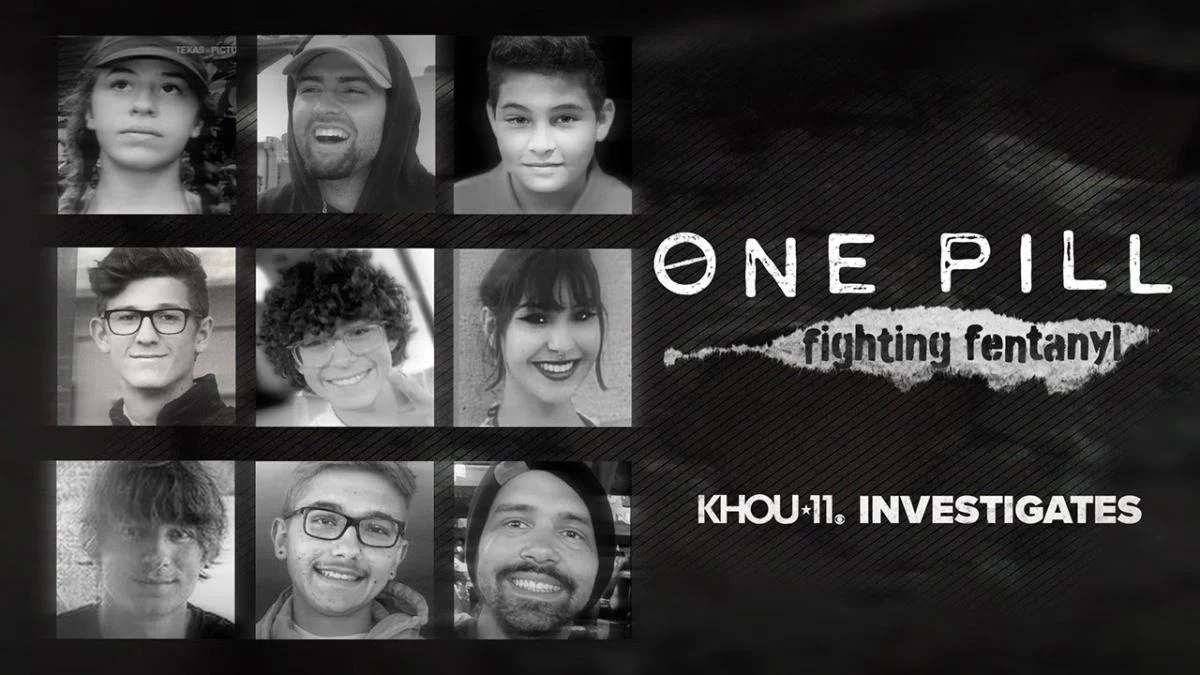
Families across Texas share the devastating impact of fentanyl as overdose deaths rise and increasingly affect young people. Through grieving parents, advocates, survivors, and law enforcement, the investigation explores the dangers of counterfeit pills and the trafficking networks bringing illicit fentanyl into the United States. It also follows parents and organizations who have turned personal loss into advocacy, raising awareness about the risks facing their communities and working to prevent further deaths while law enforcement confronts the challenges of disrupting the fentanyl supply.
Fentanyl has transformed the overdose crisis in St. Louis, where the synthetic opioid has become a leading contributor to drug-related deaths. Through people in recovery, families, advocates, and treatment professionals, the film explores the human impact of fentanyl while examining where the illicit supply comes from and how the opioid crisis reached this point. It also looks at medications for opioid use disorder, naloxone, relapse, racial disparities in overdose deaths, and local efforts to expand treatment and recovery support throughout the community.