Young people's changing attitudes toward cannabis are creating new challenges for prevention and public health in Singapore. This investigation examines cannabis use, addiction risk, social media, drug trafficking, and the influence of changing policies in nearby Thailand. Through healthcare professionals, researchers, law enforcement, counsellors, community organizations, and people with lived experience, the episode explores Singapore's strict approach to drugs alongside prevention, recovery, and youth outreach efforts. It also examines concerns surrounding cannabis commercialization and how shifting perceptions of the drug may influence younger generations.
Across Colombia, Belgium, Sweden, the Netherlands, Portugal, and the United States, cocaine and synthetic opioids are reshaping communities in very different ways. This investigation follows coca production, international trafficking, youth recruitment, gang violence, drug markets, fentanyl, and xylazine while examining how organized crime and addiction intersect. Through law enforcement, community organizations, people with lived experience, and public health workers, the episode connects the global cocaine trade with European gang networks and the overdose crisis in North America, as well as prevention, treatment, and harm-reduction efforts.
After losing their sons to drug overdoses, two Orange County mothers set out to educate young people about prescription drugs, addiction, and overdose. Through firsthand accounts from grieving parents, young people affected by addiction, and addiction professionals, this documentary explores how experimentation can develop into devastating substance use problems. Created as a prevention tool for young audiences and families, it challenges assumptions about who can develop an addiction while emphasizing the consequences of drug use, the warning signs families should recognize, and the importance of honest conversations.
As prescription drug misuse grew across Tennessee, communities began confronting doctor shopping, medication diversion, overdose, and increasing access to controlled substances. This documentary examines an early response to what would later become a nationwide opioid crisis, bringing together perspectives from law enforcement, healthcare professionals, pharmacists, coalition leaders, and people directly affected. It explores prescription monitoring, youth prevention, community partnerships, and the challenges of distinguishing legitimate pain treatment from problematic drug use while capturing the warning signs of a rapidly developing public health crisis.
For many students, heavy drinking is treated as a normal part of college life—but when does it become a problem? Following Rachel, a student who struggles to recognize the severity of her binge drinking, this documentary examines the normalization of alcohol misuse and the consequences that can follow. Alongside her story, individuals in recovery reflect on blackouts, trauma, addiction, and the experiences that eventually led them to seek help, revealing how quickly drinking can shift from a social activity into something that affects nearly every part of a person's life.
TOPICS: Alcohol, Alcohol Use Disorder, Drinking Culture, Personal Stories, Recovery, USA, Youth
San Diego County has become a major battleground in the fentanyl crisis, with counterfeit pills, drug trafficking, and online drug markets contributing to a devastating rise in overdose deaths. Families, survivors, law enforcement, medical professionals, and community advocates share their experiences while examining how fentanyl reaches local communities and why young people are particularly vulnerable. The investigation also explores efforts to save lives through naloxone, fentanyl test strips, low-barrier care, and medications for opioid use disorder, showing how prevention and treatment have become critical parts of the response.
Parents who lost their children to fentanyl share deeply personal stories of addiction, overdose, and grief as the crisis takes a growing toll on young people in Fresno, California. Alongside their experiences, medical professionals, law enforcement, and frontline workers discuss the dangers of fentanyl and the challenges of responding to overdoses within their communities. The film also examines how substance use can remain hidden from families until it is too late, while emphasizing the need for greater awareness, education, and support for young people and their parents.
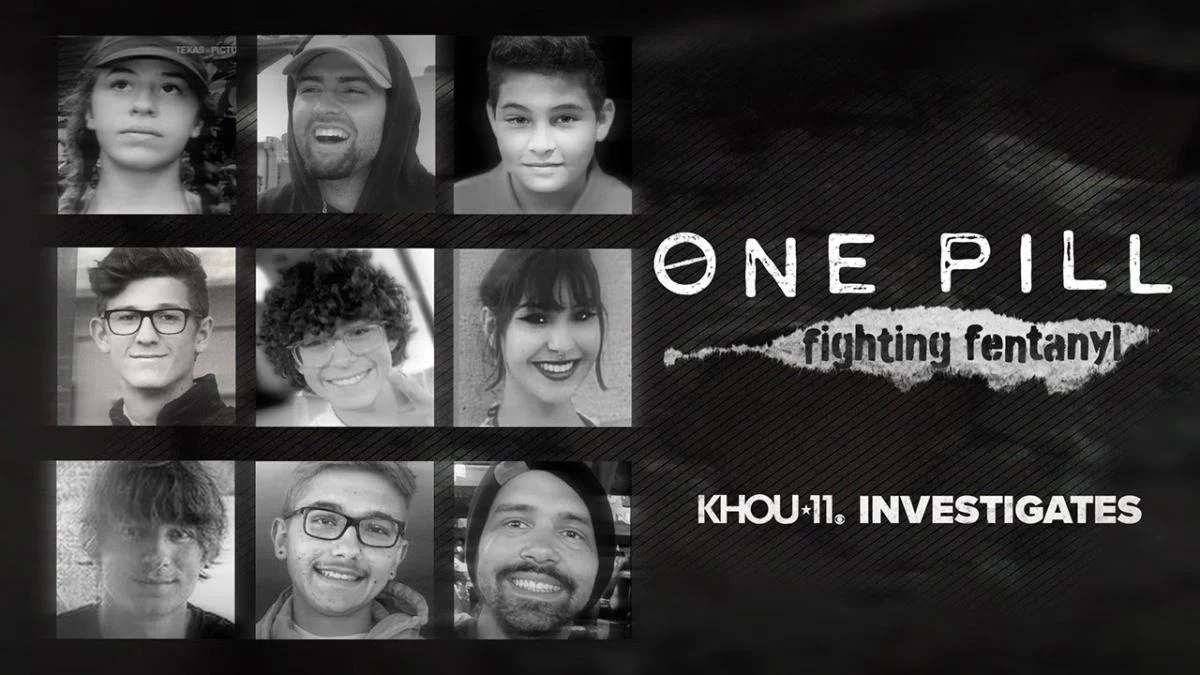
Families across Texas share the devastating impact of fentanyl as overdose deaths rise and increasingly affect young people. Through grieving parents, advocates, survivors, and law enforcement, the investigation explores the dangers of counterfeit pills and the trafficking networks bringing illicit fentanyl into the United States. It also follows parents and organizations who have turned personal loss into advocacy, raising awareness about the risks facing their communities and working to prevent further deaths while law enforcement confronts the challenges of disrupting the fentanyl supply.
After years of reporting on addiction and the opioid crisis, journalist Angela Kennecke experienced the crisis personally when her 21-year-old daughter, Emily, died from fentanyl poisoning. She shares her family’s story while continuing to investigate the issues affecting other families across South Dakota. Through personal stories and expert perspectives, the special explores fentanyl, overdose, stigma, Good Samaritan laws, drug courts, medication-assisted treatment, and recovery. It also follows Kennecke as she turns the loss of her daughter into advocacy through Emily’s Hope, an organization dedicated to prevention, awareness, and recovery.
Personal stories of prescription opioid and heroin addiction reveal how quickly substance use can take over a person’s life and affect everyone around them. Individuals and families share experiences of withdrawal, relapse, overdose, grief, and recovery, while professionals discuss the progression of opioid addiction and the risks facing young people. Several stories trace the transition from prescription painkillers to heroin, showing how tolerance, dependence, cost, and the pursuit of a stronger high can lead people down increasingly dangerous paths.