Uganda's Moonshine Epidemic
Introduction
Uganda has a long and complex relationship with alcohol, with per capita consumption among the highest in Africa. This VICE documentary explores the culture of Waragi, the country's potent homemade moonshine, and reveals the dangerous realities that can come with it. Unsafe batches cut with industrial chemicals have caused blindness, illness, and even death in local communities.
The film takes viewers on a journey through both the production and consumption of Waragi, showing the human side of the story while also highlighting the risks associated with unregulated alcohol. From villages where families gather to share a drink to the impact on public health, this documentary sheds light on the social and cultural importance of Waragi — as well as the dangers that lurk behind it.
While some coverage veers toward sensationalism, the core of this story is about real people navigating the consequences of alcohol in their daily lives. It's a sobering and eye-opening look at a widespread issue that affects individuals, families, and communities alike.
Additional Resources:
Share This Resource!
Share This Resource!
Quotes
"Ugandans are the hardest drinking Africans in the motherland, both in terms of per capita consumption and the hooch they choose to chug. Waragi, or war gin, is what they call the local moonshine, and it makes the harshest Appalachian rotgut taste like freaking Bailey's."
"In 2004, the World Health Organization released its global status report on alcohol and health [PDF], finding Uganda as the top contender for per capita alcohol consumption in the world. Since 2011, the numbers have only increased, basically making Uganda the drunkest place on earth. So, when Vice heard about Uganda's countrywide production of a type of moonshine called for Waragi, we were interested. But after we discovered that people were going blind and dying from drinking Waragi cut with industrial chemicals, we knew this was something we needed to taste for ourselves."1,2
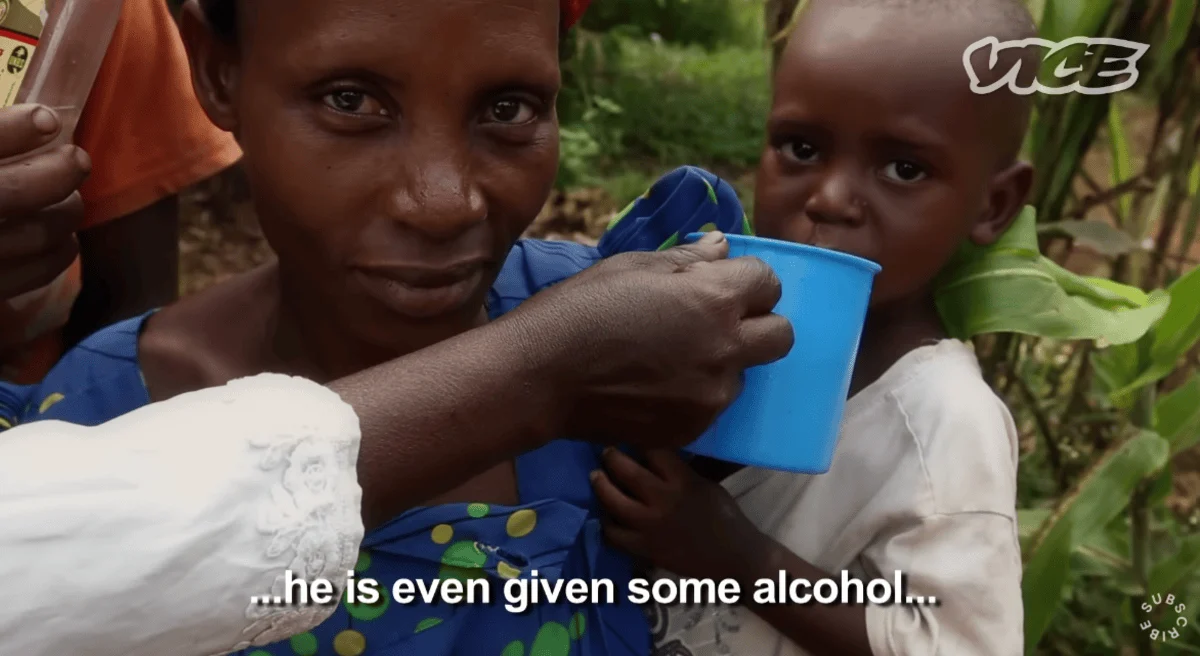
"In 1965, Ugandan Parliament enacted the Enguli Act, requiring a license for brewing and distillation of all locally produced alcohol. But for really obvious reasons, the Enguli Act has never been successfully enforced, as unlicensed production of Waragi rampantly persists across the country."
"In April 2010, more than 80 people died after drinking Waragi contaminated with high amounts of methanol over a three week period in the Kambala district. It's like when drug dealers stamp out their supply, and they put filler in it."3
1 WHO data shows Uganda has high levels of per capita alcohol consumption, particularly when unrecorded alcohol is included, though it is not consistently ranked as the highest globally.
2 Methanol poisoning linked to locally produced alcohol such as Waragi has been documented in Uganda, with outbreaks causing blindness, organ failure, and multiple deaths.
3 The 2010 methanol poisoning outbreak referenced here is widely documented as occurring in Kabale District, where approximately 80 deaths were reported over a three-week period. Similar incidents have occurred in later years, including a documented outbreak in 2017 in Wakiso District, indicating an ongoing public health issue linked to illicit alcohol.
Continue Learning
Explore the topics covered in this resource with the links below. Whether you're looking for a quick overview, an in-depth article, or another video, these resources can help deepen your understanding. If there's a topic you'd like to see covered or you're looking for something specific, feel free to contact me.
Explore the topics covered in this resource with the links below. If you're looking for something specific or have a suggestion, feel free to contact me.



Share Your Review
Your perspective matters. By sharing your honest thoughts, you can help others understand what this resource is really like beyond a simple summary. Whether it resonated with you, challenged your thinking, or wasn't what you expected, your feedback helps build a more useful and transparent collection of addiction and mental health resources.
Your perspective matters and helps improve this collection of addiction and mental health resources.
There are no reviews yet. Be the first one to write one.