Growing Old Gambling
Introduction
Growing Old Gambling explores problem gambling among Baby Boomers and older adults, examining why this generation may be particularly vulnerable to gambling-related harms. Set primarily in the Midwestern United States, the documentary looks at how retirement, increased free time, financial resources, isolation, and easy access to casinos, lotteries, keno, and sports betting can contribute to gambling becoming more than just a social activity.
Through personal stories and expert insight, Growing Old Gambling examines the emotional, financial, and psychological consequences of gambling addiction while challenging the misconception that it is simply a matter of willpower. The documentary also emphasizes that recovery is possible at any age and that support is available for older adults experiencing gambling problems.
Additional Resources:
Share This Resource!
Share This Resource!
Quotes
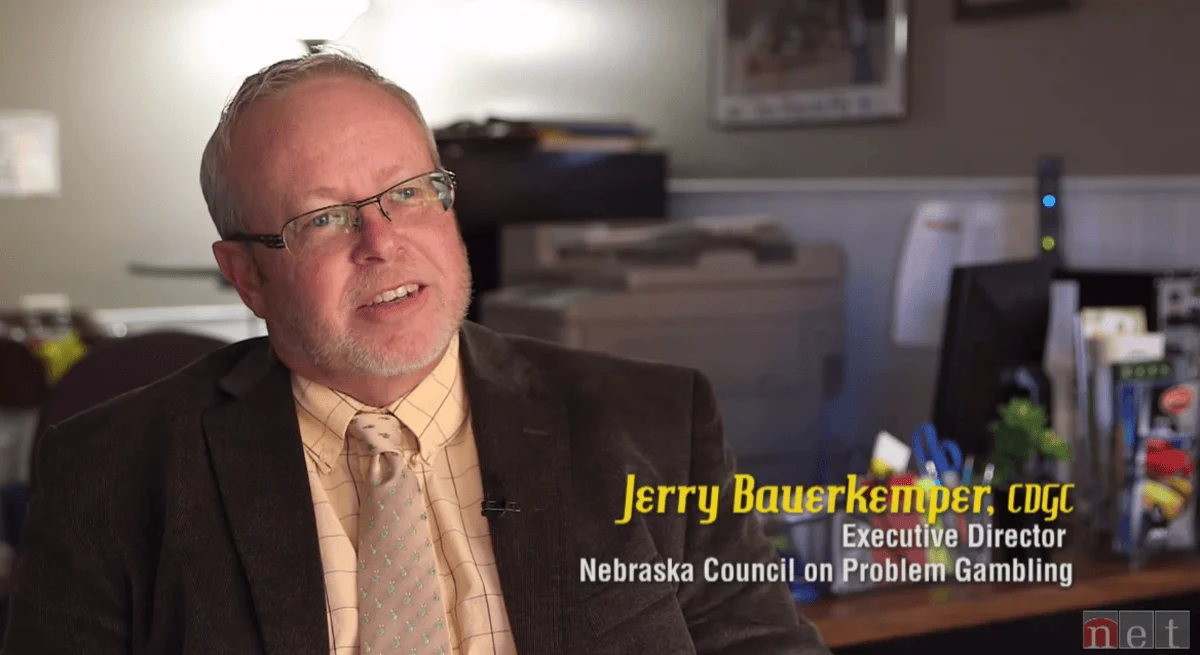
"You can make the argument that the generation that is most susceptible for developing gambling as a problematic behavior are Baby Boomers. Older adults have more time, more resources, than younger adults, and they are more willing to go places, socially … Older adults, many times, use casinos, bingo parlors, keno places, as social places. It's a place to go, it's my night out. Wouldn't you go someplace where everyone was like you? And so, they're all congregating there."
"Recovery is a day-at-a-time process, but it's a forever process … It's a very insidious addiction. It hijacks everything that is logical and sane about your thinking, and causes you to act in the most illogical, insane way."
"I had a moment of crisis. I was thinking of committing suicide because I had run out of money to pay rent. I had no money to pay my credit cards, my cell phone bill. I had written bad checks. So, I felt hopeless, totally hopeless. I'm pulling my hair out because I just wanted to kill myself. I just had this awful feeling that I had to do it, and I had two ways to do it even, two ways that I was thinking of doing it. And then I decided to call the 1-800-BETSOFF and they took me to the hospital where I stayed for five days."
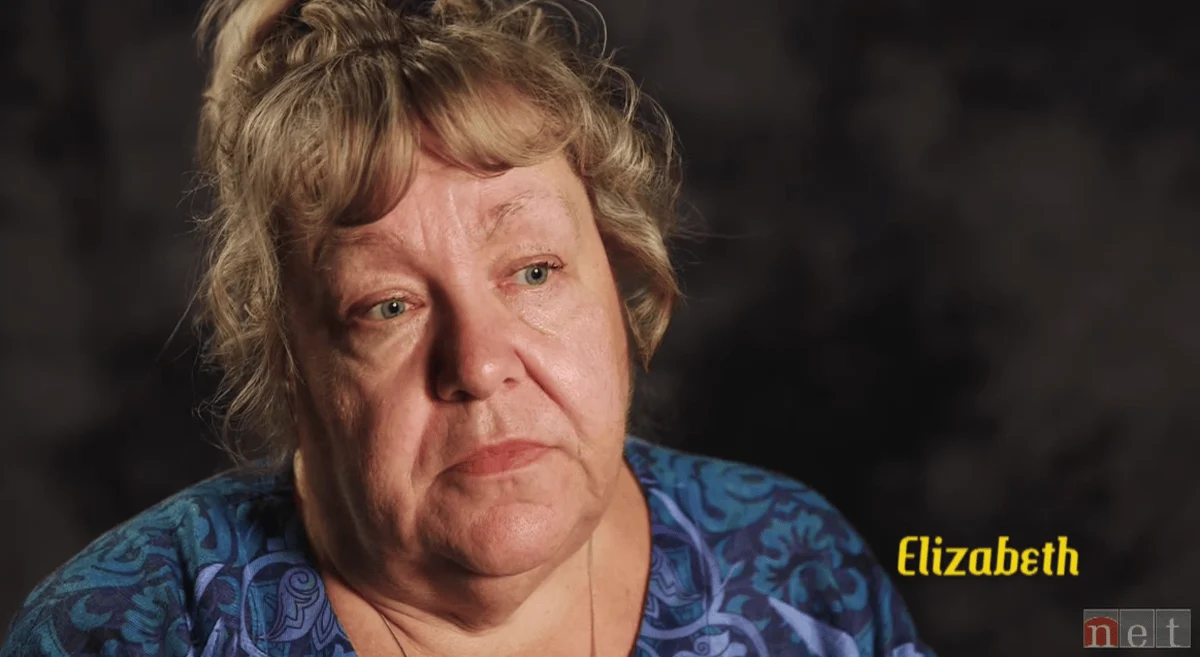
"I don't think people can appreciate a gambling addiction like they do alcohol or drug addiction. I think they think it's just willpower … People don't understand that you can't stop when it's an addiction."
"When you look specifically at women, when you look at older women, I can tell you that their faces look very similar. They typically are women who, they've raised their family, they've had the successful career, they've had the good marriage, but as you know, once we get older, life can get tougher. And when you start to experience losses, sort of the perfect storm that can happen, and particularly in a community like Vegas where people may come here to retire."
"The average age of gamblers in Las Vegas is creeping up and up. It's interesting, though, that a significant percentage, actually over 30% of my patients here at the Problem Gambling Center, are over 51 years of age."
"It's a little more devilish, because of that chase phenomenon … I've never had a late-stage alcoholic say, If I get drunk just right, my liver will heal. But my patients sincerely say, If I could just get $1,000, I'd win back my 401K."
"You can never be too old to get this addiction, but you can also never be too old to get the recovery, and that's really the message that we need them to hear."
"In the 1990s, state-sponsored lottery and native American-owned casinos were introduced to Wisconsin. Today, statistics suggest 333,000 state residents have a gambling problem. Seniors and adolescents have the highest risk of developing a gambling addiction."1
"I think it's a public safety issue. If you're going to do this and you're going to make money at it, help the people who are devastated."
"When I started looking at the risk factors for gambling addiction, they seemed to me to be concentrated in Baby Boomers. Isolation, the sense of guilt, stigma, forbidden fruit, the more repetitive forms of gambling where you can drop an awful lot of money very, very quickly, seem to be where the Baby Boomers' preferences lie."
"Some people would refer to this as kind of a hidden addiction among this age group, because the current cohort of older adults tend to be rather stoic, and so they tend to want to take care of their own problems."
1 The widely cited estimate that 333,000 Wisconsin residents experience problem gambling was not based on a Wisconsin-specific prevalence study. The figure was extrapolated from older national research, and a later review found significant problems with how the estimate was calculated.
Continue Learning
Explore the topics covered in this resource with the links below. Whether you're looking for a quick overview, an in-depth article, or another video, these resources can help deepen your understanding. If there's a topic you'd like to see covered or you're looking for something specific, feel free to contact me.
Explore the topics covered in this resource with the links below. If you're looking for something specific or have a suggestion, feel free to contact me.


Share Your Review
Your perspective matters. By sharing your honest thoughts, you can help others understand what this resource is really like beyond a simple summary. Whether it resonated with you, challenged your thinking, or wasn't what you expected, your feedback helps build a more useful and transparent collection of addiction and mental health resources.
Your perspective matters and helps improve this collection of addiction and mental health resources.
There are no reviews yet. Be the first one to write one.