State of Addiction: What Every Family Needs to Know About Opioids
Introduction
State of Addiction explores the ongoing opioid crisis and the devastating effect it has had on individuals, families, and communities. Through perspectives from medical professionals, law enforcement, parents, and recovery advocates, the documentary examines how prescription opioids contributed to the crisis and why fentanyl has made today’s drug supply even more dangerous. It also looks at what families can do to help prevent substance use among youth, emphasizing the importance of communication, trust, and education.1
One Pill Can Kill
The DEA's "One Pill Can Kill" campaign was launched to raise awareness about counterfeit prescription pills laced with fentanyl. Often made to look like legitimate medications such as Xanax or oxycodone, these fake pills have contributed to a growing number of overdose deaths across the United States.
Through educational resources, public awareness campaigns, and community partnerships, the initiative aims to help people recognize the dangers of counterfeit pills and understand that medications obtained outside a licensed pharmacy may contain potentially lethal substances.
Share This Resource!
Share This Resource!
Quotes
"Today, opioids mean any substance, natural or man-made, that binds with the opioid receptors in the brain and body, including heroin and medications like oxycodone, hydrocodone, codeine, morphine, and methadone."
"What makes the drug [opioids] the most addictive is the reaction your body has when it tries to quit."2
"Until this epidemic started to affect people from a higher economic standing in nicer neighbourhoods and with a different complexion, that's when it became important. That's when it mattered."3
"[By taking drugs off the street] We may have saved a life, we may have saved a family member from an addiction or a path to addiction, to give folks a better quality of life."
"We have what's called a One Pill Can Kill campaign … coupled with our enforcement strategy and community outreach efforts to make the public aware of the dangers, the trends, and how lethal these counterfeit pills can be."
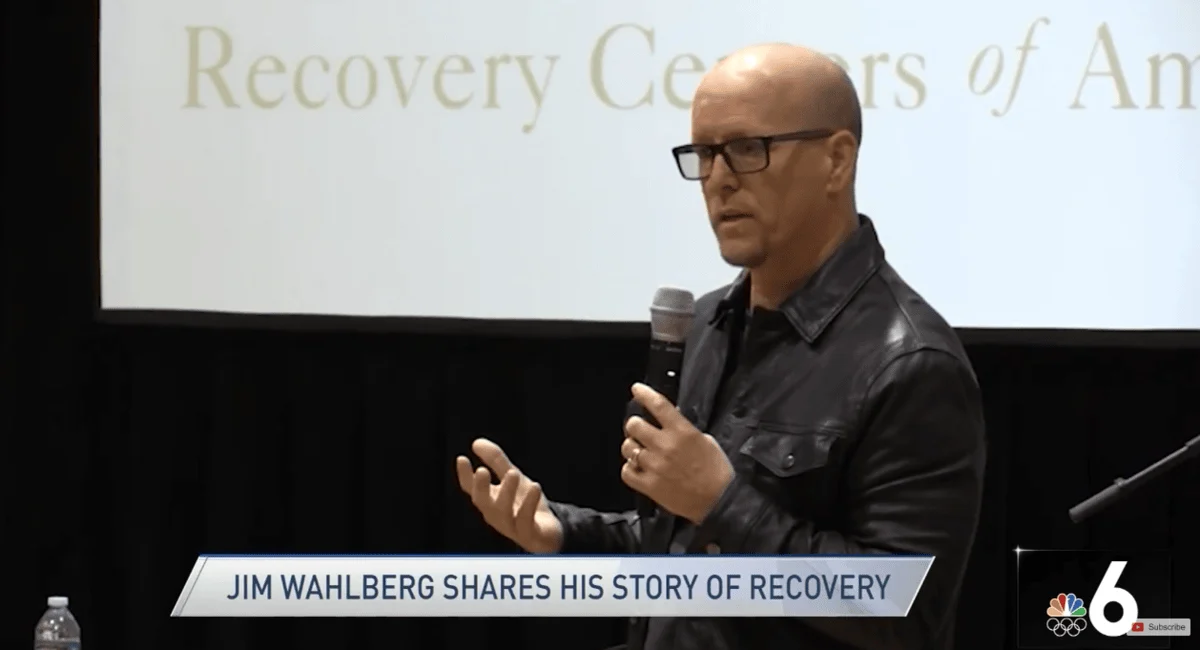
"I know probably a thousand moms and dads across the country who've had to bury their children."
"Kyle had surgery and that was the introduction to the opioids for the pain … the thing that we noticed about Kyle was that, if I get an opioid, I hate it, but he was euphoric from the first pill."
"It starts early when kids are young. You have to establish a foundation of trust, of love, of open communication, and so I think if you can lay down that foundation it makes it easier to have these conversations later on."
"You've got teenagers who are not quite adults, they're struggling to find their own identity [and] self-concept, they want to feel competent in the world. The best thing that we can do is try to give them that self-esteem so when they're in a situation, in a group like that, they can actually push back and have the strength to do that. Their approval of themselves is worth more to them than the approval of other people."4
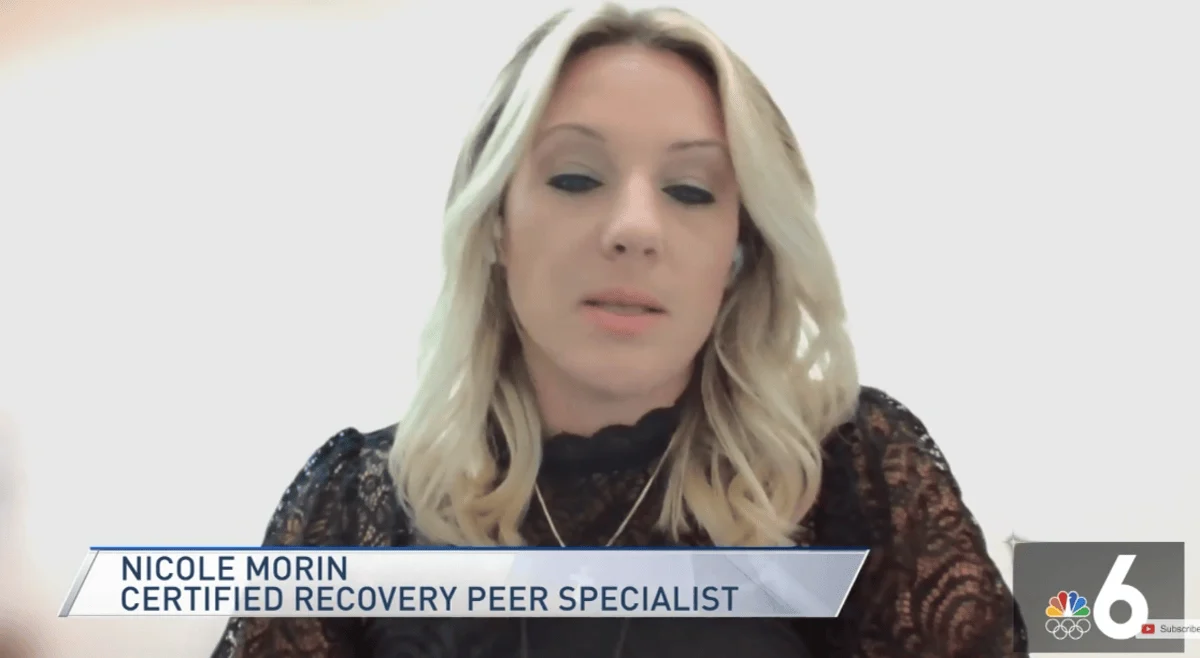
"Now that I don’t have this substance in my body to mask the trauma, to mask the depression, to mask the anxiety, and to mask the shame and guilt that I felt, that was the biggest challenge I faced."5
"Actor Michael K Williams, best known for his role in The Wire, died this year, as did former professional hockey player, Jimmy Hayes. Toxicology reports confirmed he died from a mixture of cocaine and fentanyl. Comedian Fuquan Johnson passed away, along with two friends after a night of partying and combining similar substances. A few years ago, we lost rapper Mac Miller, as well as Los Angeles Angels pitcher, Tyler Skaggs."
"Alex Barone was born with a congenital condition called fibular hemimelia. His disability motivated him throughout his life and so has his late father, who was an addict. It's why when he was offered a role in Dopesick, he knew he had to take it."
1 Fentanyl has made today's illicit drug supply significantly more dangerous because it is often mixed into other substances — including heroin, cocaine, methamphetamine, and counterfeit pills — sometimes without the user's knowledge. Due to its extreme potency, even small amounts can be lethal, and DEA testing has found that many counterfeit pills contain potentially fatal doses of fentanyl.
2 Opioid withdrawal reinforces addiction through a process of negative reinforcement, where severe physical and psychological distress drives repeated drug use in order to relieve symptoms. Over time, the motivation often shifts from seeking euphoria to avoiding the intense discomfort associated with withdrawal.
3 Research examining media coverage of the opioid epidemic has identified significant racial disparities in how addiction is portrayed, with the crisis often framed as affecting white suburban or rural communities despite rising overdose deaths among Black, Indigenous, and other minority populations. Studies have also found that this framing influenced public perception and policy responses, contributing to more treatment-focused approaches for white communities while communities of color were more often associated with criminalization and punitive responses.
4 Protective factors for youth substance use prevention include strong family bonds, school engagement, positive peer relationships, self-esteem, and emotional resilience. Research shows that strengthening these factors during adolescence can reduce the likelihood of substance use and improve a young person's ability to resist social pressure and risky behaviors.
5 The National Child Traumatic Stress Network notes that trauma, PTSD, and adolescent substance use are strongly linked. Research cited in the report found that substance use often developed following trauma exposure or PTSD onset, while adolescents with substance use disorders were also more likely to experience trauma related to risky behaviors and develop PTSD following traumatic events.
Continue Learning
Explore the topics covered in this resource with the links below. Whether you're looking for a quick overview, an in-depth article, or another video, these resources can help deepen your understanding. If there's a topic you'd like to see covered or you're looking for something specific, feel free to contact me.
Explore the topics covered in this resource with the links below. If you're looking for something specific or have a suggestion, feel free to contact me.





Share Your Review
Your perspective matters. By sharing your honest thoughts, you can help others understand what this resource is really like beyond a simple summary. Whether it resonated with you, challenged your thinking, or wasn't what you expected, your feedback helps build a more useful and transparent collection of addiction and mental health resources.
Your perspective matters and helps improve this collection of addiction and mental health resources.
There are no reviews yet. Be the first one to write one.