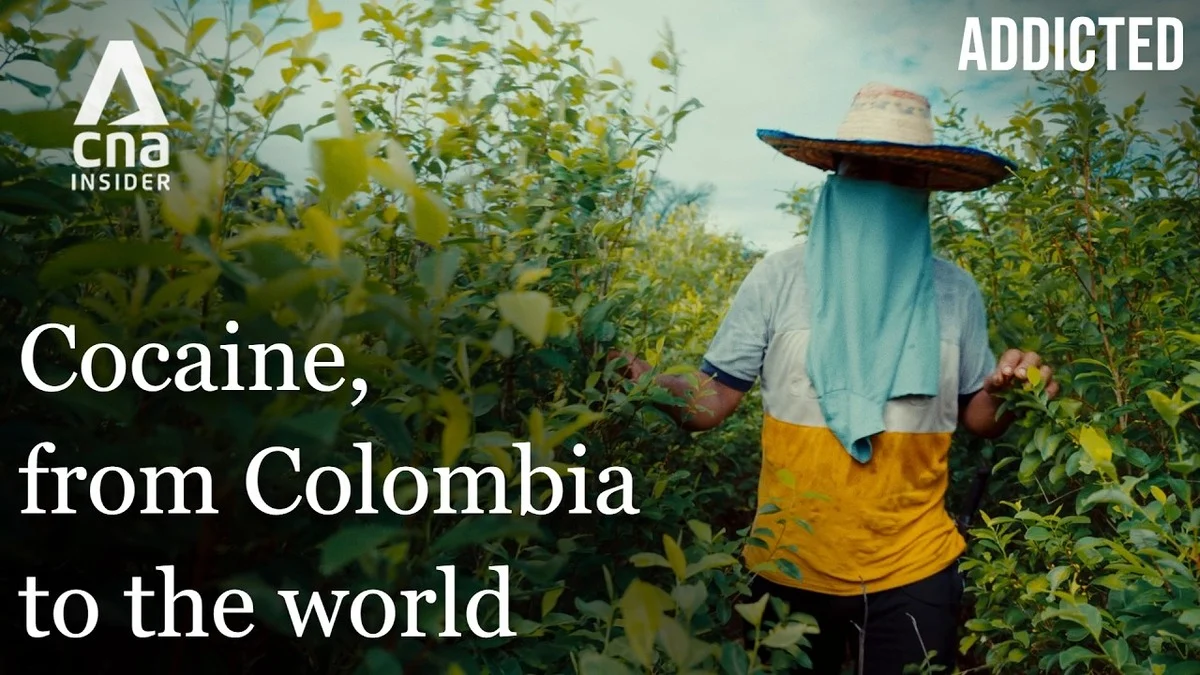
Across Colombia, Belgium, Sweden, the Netherlands, Portugal, and the United States, cocaine and synthetic opioids are reshaping communities in very different ways. This investigation follows coca production, international trafficking, youth recruitment, gang violence, drug markets, fentanyl, and xylazine while examining how organized crime and addiction intersect. Through law enforcement, community organizations, people with lived experience, and public health workers, the episode connects the global cocaine trade with European gang networks and the overdose crisis in North America, as well as prevention, treatment, and harm-reduction efforts.
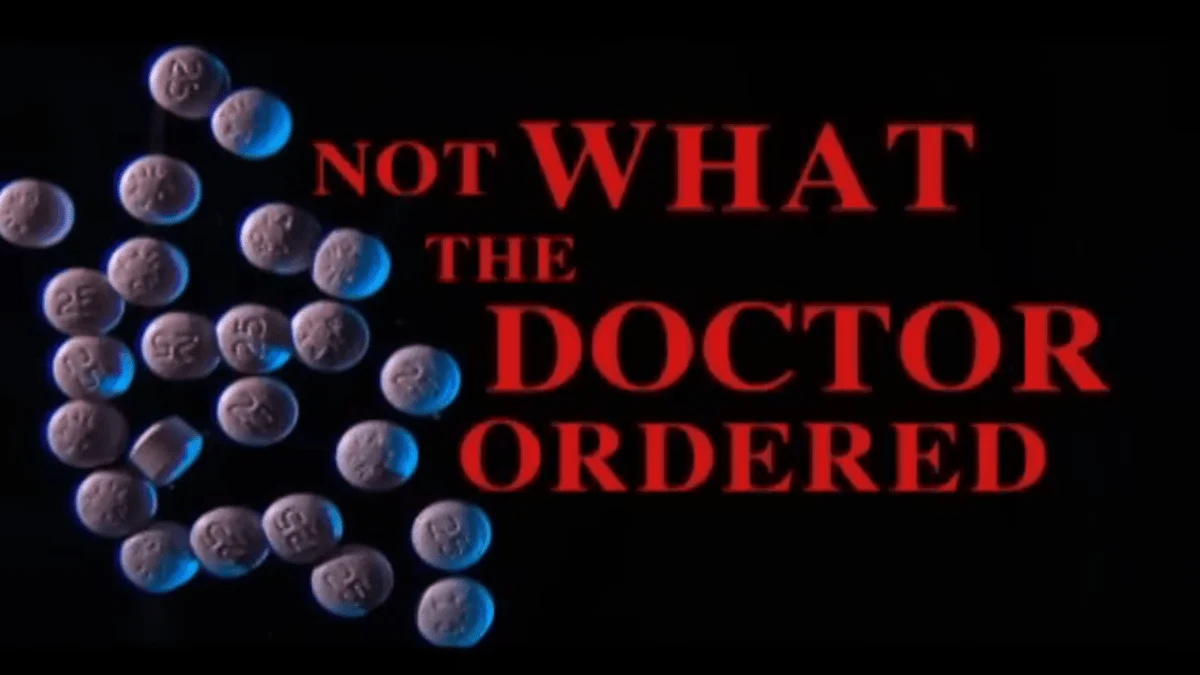
After losing their sons to drug overdoses, two Orange County mothers set out to educate young people about prescription drugs, addiction, and overdose. Through firsthand accounts from grieving parents, young people affected by addiction, and addiction professionals, this documentary explores how experimentation can develop into devastating substance use problems. Created as a prevention tool for young audiences and families, it challenges assumptions about who can develop an addiction while emphasizing the consequences of drug use, the warning signs families should recognize, and the importance of honest conversations.
As prescription drug misuse grew across Tennessee, communities began confronting doctor shopping, medication diversion, overdose, and increasing access to controlled substances. This documentary examines an early response to what would later become a nationwide opioid crisis, bringing together perspectives from law enforcement, healthcare professionals, pharmacists, coalition leaders, and people directly affected. It explores prescription monitoring, youth prevention, community partnerships, and the challenges of distinguishing legitimate pain treatment from problematic drug use while capturing the warning signs of a rapidly developing public health crisis.
Prescription opioid dependence can affect people of all ages and backgrounds, including those who first encounter opioids through legitimate pain treatment. Focusing on communities in Ontario, this documentary combines personal experiences with perspectives from healthcare professionals, treatment providers, and community leaders. It examines opioid withdrawal, stigma, harm reduction, methadone treatment, counselling, and other approaches to recovery while exploring the challenges of balancing pain management with the risks of prescription opioids and responding to addiction as a public health issue.
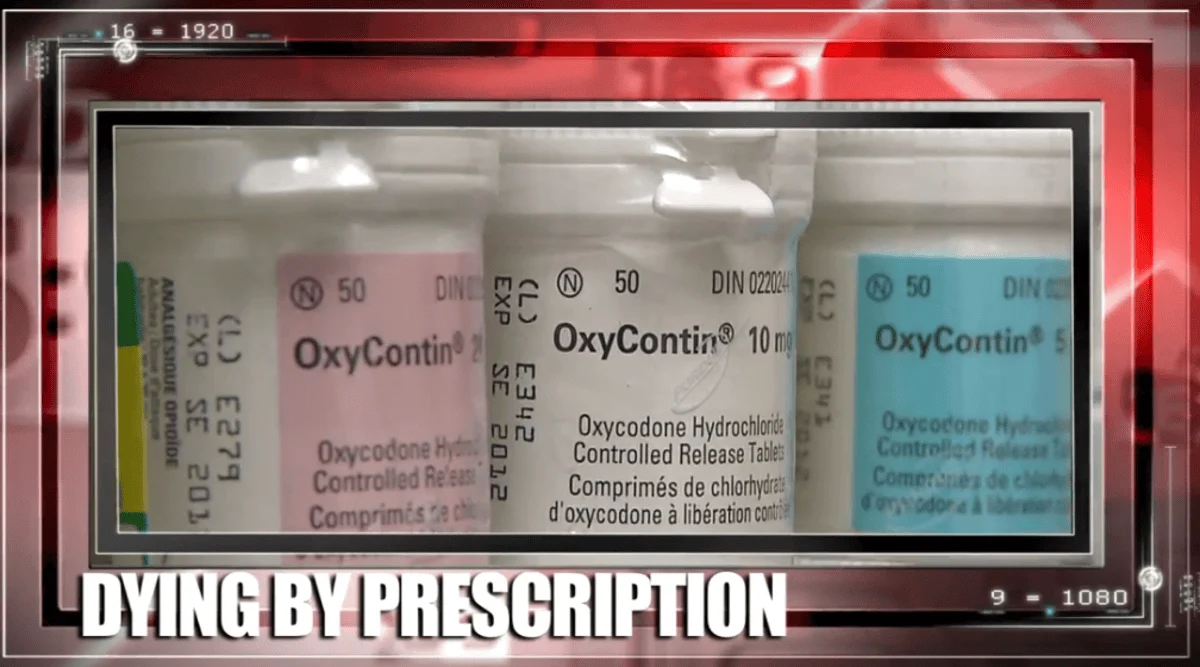
This 2012 Global News investigation examines the OxyContin controversy in Canada through the experiences of patients, grieving families, researchers, and medical professionals. As prescriptions for the powerful pain medication increased, so did concerns about addiction, overdose, and the way its risks had been presented to doctors and patients. The report investigates Purdue Pharma's marketing of OxyContin, its influence within pain medicine, and allegations that the drug's potential for addiction was deliberately downplayed, while revealing the devastating consequences prescription opioid use had already left behind.
Across Arkansas, individuals and families share deeply personal experiences of opioid addiction, overdose, loss, and recovery. Their stories reveal how prescription opioids, heroin, and fentanyl have shaped the state's opioid crisis, while experts explain how dependence and opioid use disorder can develop and why the drug supply has become increasingly dangerous. Alongside accounts of repeated overdose and lives lost are stories of survival and recovery, highlighting the work of healthcare professionals, advocates, families, and communities responding to the crisis and supporting people as they rebuild their lives.
San Diego County has become a major battleground in the fentanyl crisis, with counterfeit pills, drug trafficking, and online drug markets contributing to a devastating rise in overdose deaths. Families, survivors, law enforcement, medical professionals, and community advocates share their experiences while examining how fentanyl reaches local communities and why young people are particularly vulnerable. The investigation also explores efforts to save lives through naloxone, fentanyl test strips, low-barrier care, and medications for opioid use disorder, showing how prevention and treatment have become critical parts of the response.
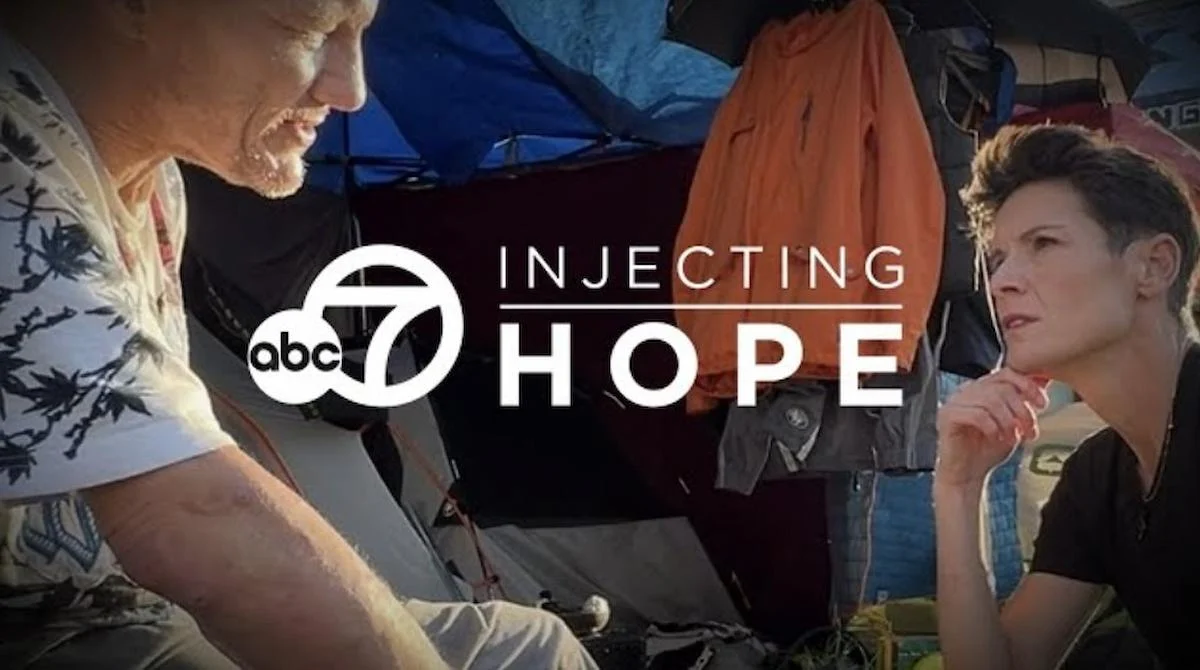
What can the United States learn from Canada’s approach to the overdose crisis? ABC7 News reporter Tara Campbell travels to British Columbia to examine harm reduction and the services designed to keep people who use drugs alive and connected to care. Through personal stories and expert perspectives, the documentary explores supervised consumption, fentanyl, homelessness, trauma, stigma, and barriers to treatment. It also looks inside Insite, North America’s first legally sanctioned supervised consumption site, while examining the broader debate over whether similar approaches could help communities struggling with overdose in the United States.
Fentanyl has transformed Ontario’s opioid crisis, affecting people who use drugs, families, healthcare workers, law enforcement, and communities across the province. This three-part series combines personal stories with expert perspectives to examine fentanyl, prescription opioid addiction, overdose, and the challenges people face when seeking treatment. It also explores harm reduction, public education, law-enforcement responses, and efforts to prevent further deaths. Along the way, people directly affected by addiction share their experiences, showing why understanding the crisis requires looking beyond the drug itself to the people and circumstances behind it.
Families, harm-reduction workers, and experts share their experiences of North Carolina’s fentanyl epidemic and the devastating toll of overdose across the state. The documentary examines how the opioid crisis evolved from prescription medications to heroin and illicit fentanyl, while exploring drug trafficking, pharmaceutical accountability, and the state’s response to rising deaths. It also looks at harm-reduction efforts, including naloxone and fentanyl test strips, and follows people working directly with communities affected by addiction. Their stories show both the human cost of the crisis and the efforts underway to prevent further loss.