Britain's Secret Drinkers
Introduction
It is commonly believed that Britain's biggest alcohol issue is its well-known binge drinking culture. However, Britain's Secret Drinkers, featured on the BBC programme Tonight, reveals a different and often overlooked concern—drinking at home. Experts in the documentary highlight how increasing numbers of people are regularly consuming alcohol in private settings, sometimes every night of the week. What many consider a harmless way to unwind after work can quietly develop into a pattern of dependency, with serious long-term consequences that often go unnoticed.
Britain's Secret Drinkers also follows individuals like Lucy Rocca, who experienced a life-changing wake-up call after years of hidden alcohol misuse. Following a hospitalisation linked to her drinking, she went on to found Soberistas, an online support community for women questioning their relationship with alcohol. Alongside other personal stories, including participants who have their drinking habits closely monitored, the documentary sheds light on the subtle but harmful reality of at-home drinking—and challenges the assumption that problem drinking is always loud, public, or easy to recognize.
Share This Resource!
Share This Resource!
Quotes
"I am conscious that I'm drinking more than is healthy for me, but I don't necessarily count it up every day. If I did it would probably scare me."
"The brewing companies realized there was a whole new market to be tapped by getting their products into the homes of the middle class."
"I drank on my own … three bottles of wine – I never had an off switch so I didn't think I was drunk, I felt perfectly in control. I obviously wasn't. I took the dog outside to the toilet at about 10:00 and the next thing I knew I woke up in the hospital at 3:00 in the morning. I'd pass out on the pavement. I had a complete memory black out, had no idea what happened and was terrified so that was my big wake-up call and I never had a drink after."
"Pretty much all the patients who come and see me, whom I identify as drinking to excess, have a picture in their mind of what constitutes problem drinking or alcoholism. Funny enough, it's always a different pattern of drinking than theirs."
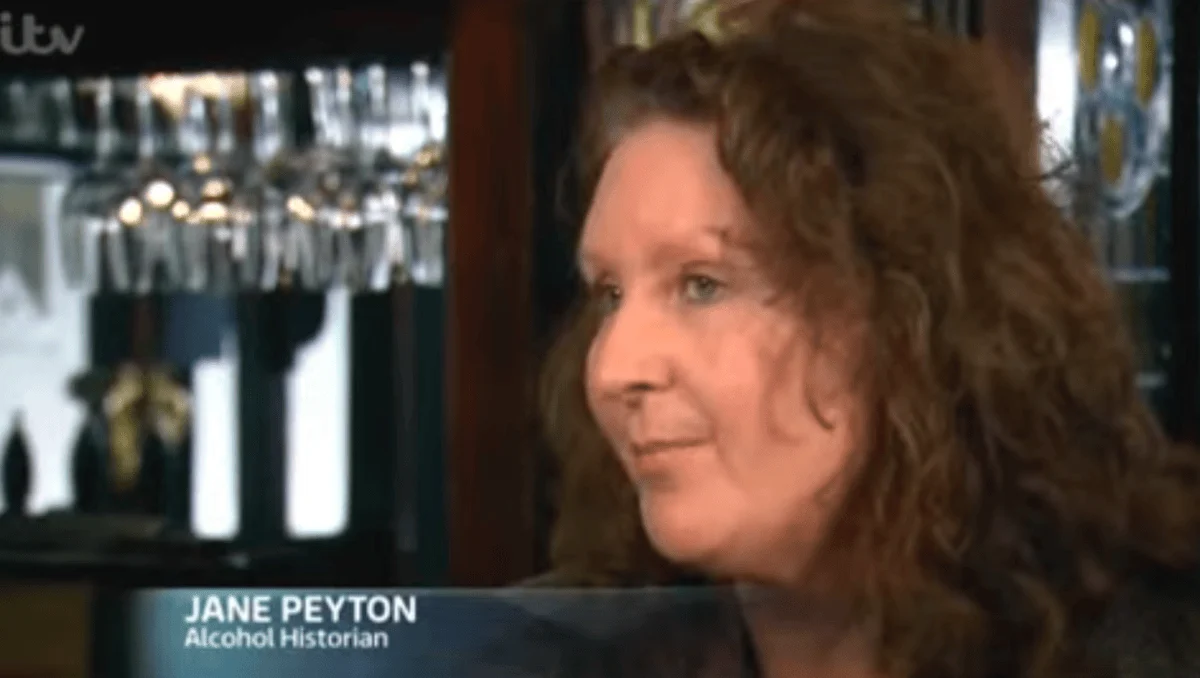
“In the 1960s, we started going on ‘package holidays'. The price of holidays was reduced dramatically … it might have been the first experience they'd ever had of drinking wine … so suddenly their lives were opened up to a different possibility of alcohol and they liked it … they wanted to recreate that happiness of the holiday so people started to drink wine.”
"Lots of people are on the spectrum of dependency without recognizing it and probably the best way to find out if you're on the scale of dependency is to see how easy it is to cut out the booze for two or three days of the week. And if you find that really a problem then that is a suggestion that actually alcohol has become much more important to you than it should be and that's all that dependency is."
"As a nation we spend 30 billion a year on alcoholic drinks, but when you compare what's sold to what we say we drink, over 40% of Britain's booze simply goes missing, and researchers are convinced that's because either we don't know or we don't want to know exactly what we're drinking."
"Liver disease develops completely silently – there are no symptoms, the liver has no pain fibers in it. There's just absolutely no way of knowing that you would be developing liver disease."
Continue Learning
Explore the topics covered in this resource with the links below. Whether you're looking for a quick overview, an in-depth article, or another video, these resources can help deepen your understanding. If there's a topic you'd like to see covered or you're looking for something specific, feel free to contact me.
Explore the topics covered in this resource with the links below. If you're looking for something specific or have a suggestion, feel free to contact me.









Share Your Review
Your perspective matters. By sharing your honest thoughts, you can help others understand what this resource is really like beyond a simple summary. Whether it resonated with you, challenged your thinking, or wasn't what you expected, your feedback helps build a more useful and transparent collection of addiction and mental health resources.
Your perspective matters and helps improve this collection of addiction and mental health resources.
There are no reviews yet. Be the first one to write one.