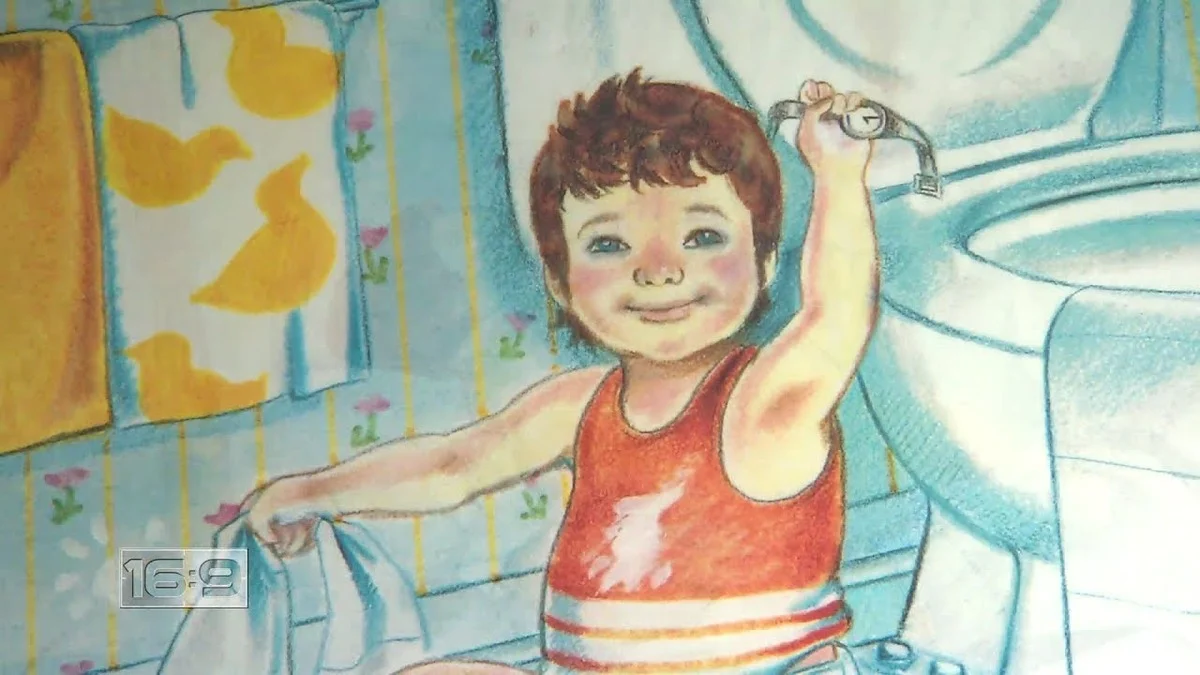
Robert Munsch reflects on the private struggles that existed alongside his celebrated career as one of Canada's best-known children's authors. In this revealing interview, he discusses childhood depression, bipolar disorder, obsessive-compulsive disorder, alcohol and cocaine addiction, family tragedy, and his experiences with recovery. He also explores the relationship between his mental health, addiction, and writing, sharing how personal experiences and the children he encountered inspired many of his stories and shaped the public storyteller generations of readers came to know.
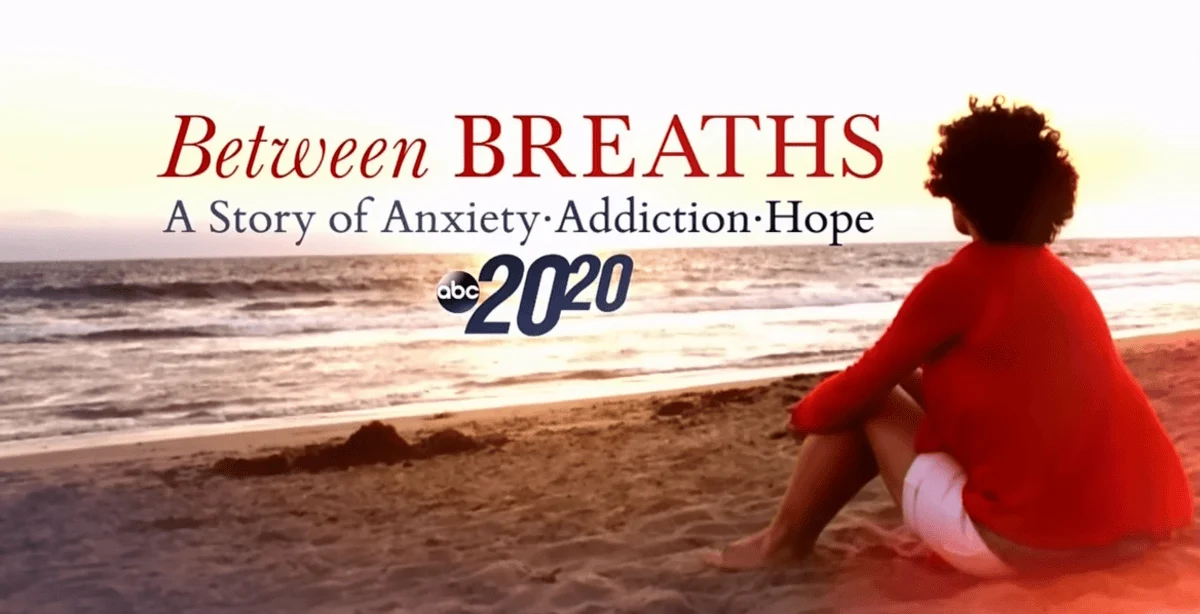
Journalist Elizabeth Vargas speaks candidly with Diane Sawyer about her experiences with anxiety, alcohol addiction, treatment, relapse, and recovery. Behind a successful career at ABC News, Vargas struggled with severe anxiety and increasingly relied on alcohol to cope, eventually entering treatment multiple times. She reflects on hiding her addiction, resisting help, and the impact her drinking had on her family and career. Through her story, the interview explores the connection between anxiety and alcohol use disorder, the realities of relapse, and the ongoing commitment required in recovery.
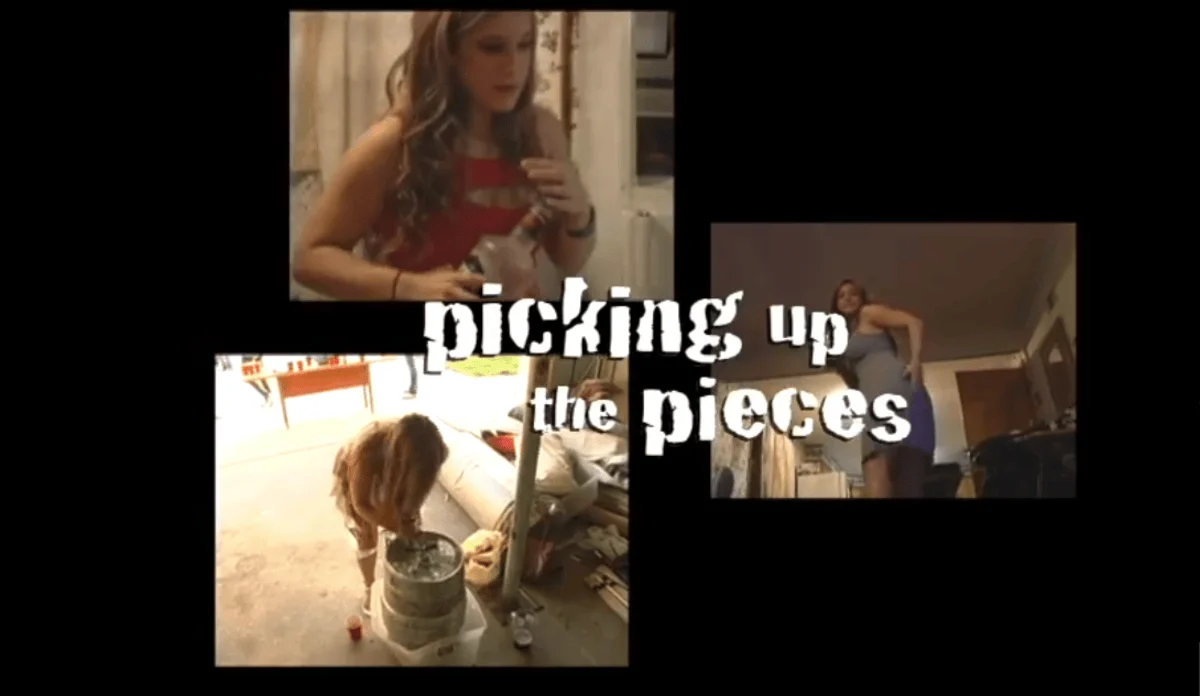
For many students, heavy drinking is treated as a normal part of college life—but when does it become a problem? Following Rachel, a student who struggles to recognize the severity of her binge drinking, this documentary examines the normalization of alcohol misuse and the consequences that can follow. Alongside her story, individuals in recovery reflect on blackouts, trauma, addiction, and the experiences that eventually led them to seek help, revealing how quickly drinking can shift from a social activity into something that affects nearly every part of a person's life.
TOPICS: Alcohol, Alcohol Use Disorder, Drinking Culture, Personal Stories, Recovery, USA, Youth
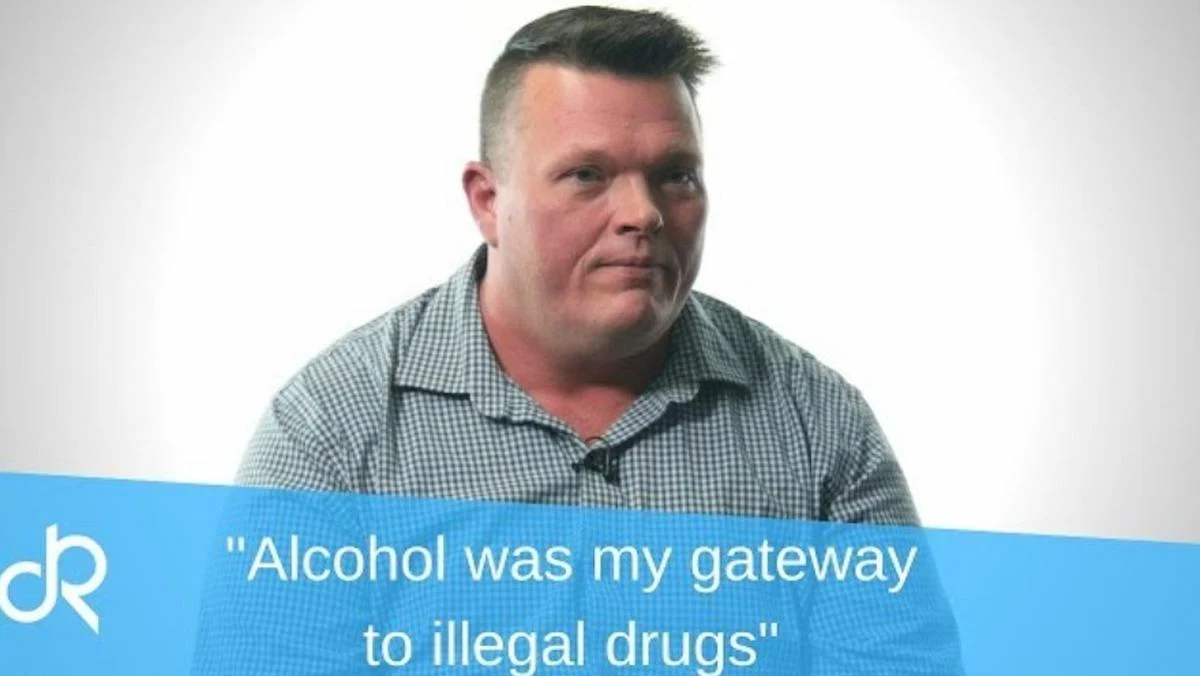
Brady began drinking as a teenager before alcohol became part of a growing cycle of cocaine, prescription pills, benzodiazepines, and eventually heroin addiction. He describes using different substances to control how he felt, the hopelessness and isolation that followed, and serious health consequences that still were not enough to make him stop. After treatment and relapse, Brady began to approach recovery differently. His story explores the progression of addiction and the difficult process of rebuilding a life through treatment, meaningful relationships, community support, and a commitment to making recovery his priority.
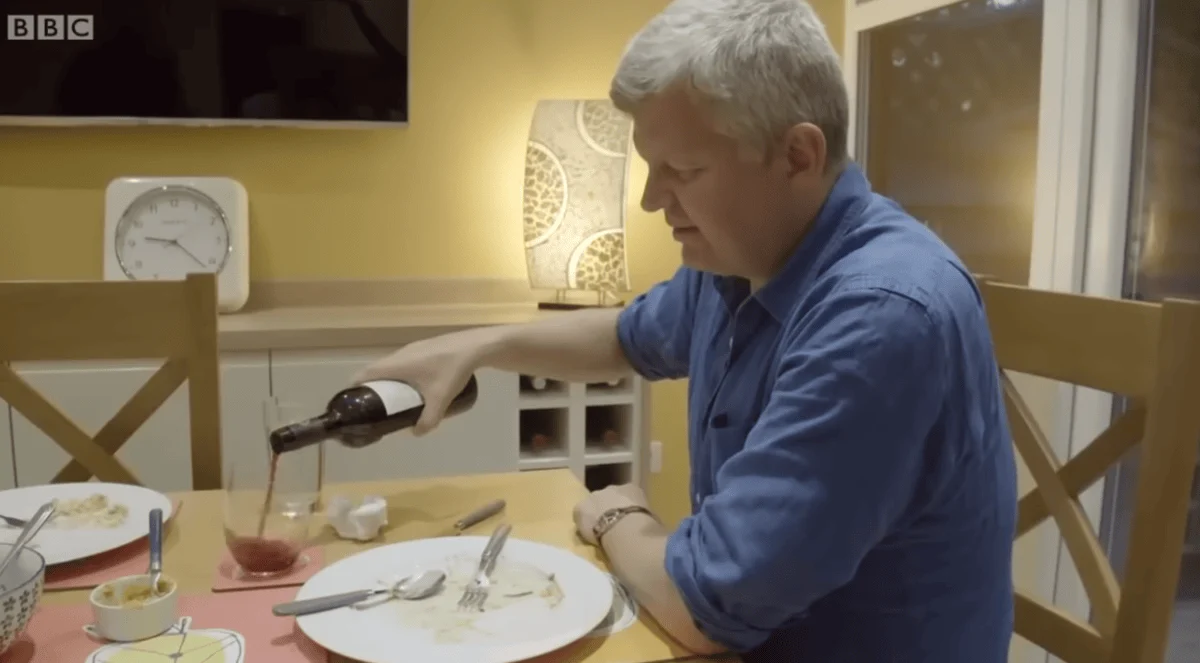
Many people who struggle with alcohol don't fit the stereotype of what an alcohol problem looks like. In this honest and deeply personal documentary, Adrian Chiles reflects on his own drinking habits while exploring why alcohol has become such a normal part of everyday life. Through medical assessments, conversations with addiction specialists, and personal reflection, he examines the physical and psychological effects of long-term drinking and asks whether moderation is possible. This resource offers a relatable and thought-provoking look at alcohol use that challenges common assumptions about dependence and recovery.
Many people associate alcohol-related harm with binge drinking, yet some of the greatest risks come from drinking patterns that often go unnoticed. This documentary explores the growing culture of drinking at home, where regular alcohol use can quietly become part of everyday life without obvious warning signs. Through personal stories, medical assessments, and expert insights, this resource examines how hidden drinking habits affect physical and mental health while encouraging viewers to recognize the difference between social drinking and alcohol use that may be causing harm.
Recovery is rarely a straight path, even for those who dedicate their lives to helping others overcome addiction. In this candid documentary, addiction therapist Michael Pond reflects on his own struggle with alcohol use disorder, repeated relapse, and the shortcomings of traditional treatment approaches. Combining lived experience with evidence-based perspectives, this resource explores the realities of recovery, the importance of individualized care, and why compassion, science, and hope are essential to helping people build lasting change.
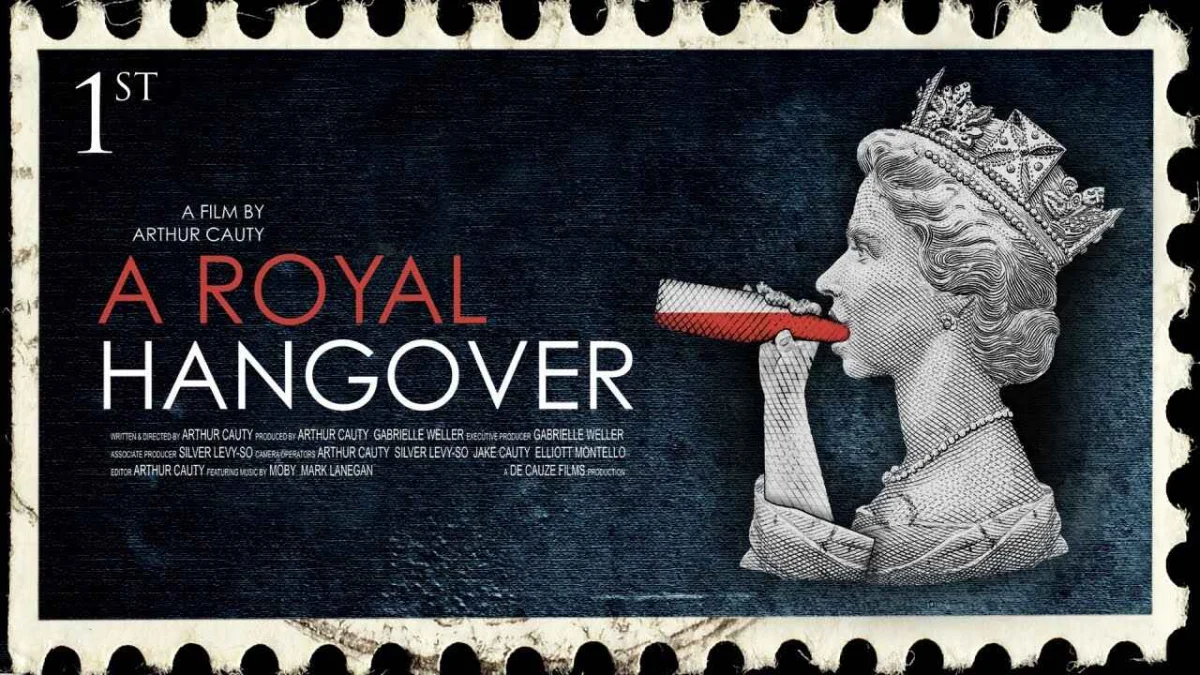
Alcohol has played a central role in British history and culture for centuries, yet its impact on society is often overlooked. This thought-provoking documentary explores the nation's complex relationship with drinking through interviews with addiction specialists, medical experts, researchers, and people with lived experience, including Russell Brand. Examining the science of alcohol, binge drinking culture, industry influence, and the stigma surrounding addiction, this resource encourages viewers to reconsider one of society's most accepted drugs and the widespread harm it can cause.
Behind the creation of two of the world's most influential recovery fellowships is the often-overlooked story of a woman whose own journey was shaped by love, loss, and resilience. This powerful drama follows Lois Wilson as she navigates her husband Bill Wilson's struggle with alcoholism while discovering that families affected by addiction also need support. Exploring the origins of both Alcoholics Anonymous and Al-Anon, this resource highlights the lasting impact of addiction on loved ones and the importance of hope, healing, and recovery for the entire family.
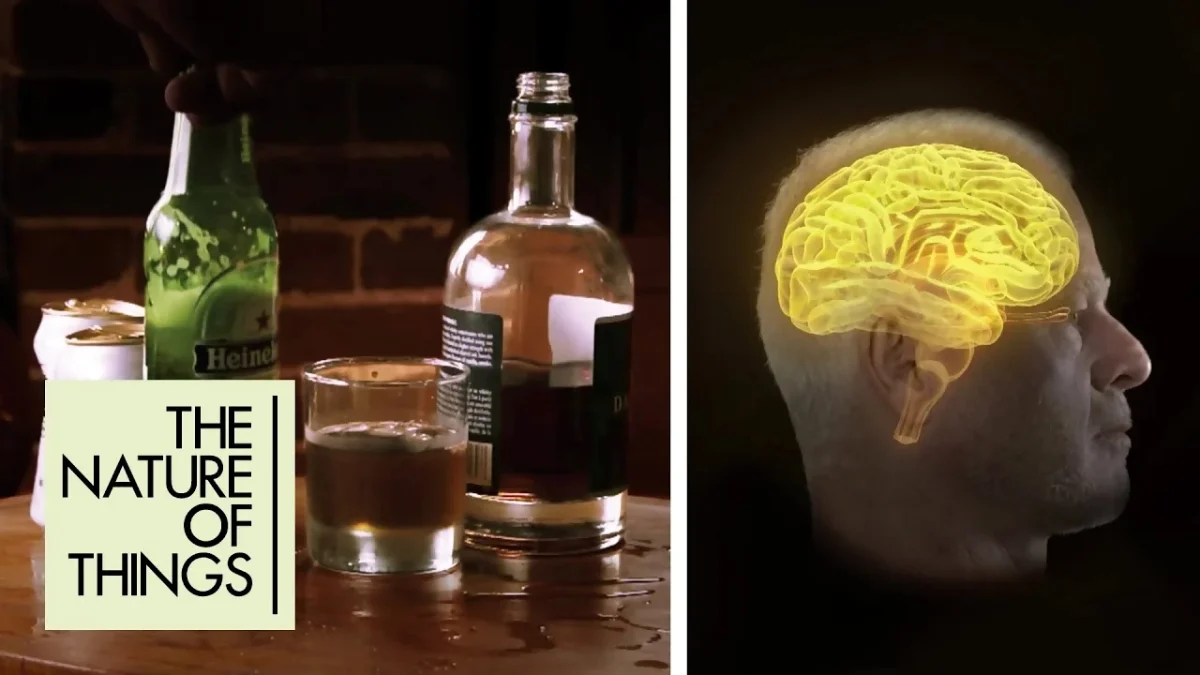
Alcohol use disorder is often misunderstood as a lack of willpower rather than a treatable medical condition. Through the personal journey of family physician Dr. Jeff Harries, this documentary challenges long-standing misconceptions by exploring the science of addiction, evidence-based treatment options, and the importance of compassion in recovery. Combining lived experience with medical expertise, this resource offers a hopeful perspective on alcohol use disorder while highlighting how greater awareness and improved access to treatment can transform lives for individuals and their families.