Chasing the Dragon: The Life of an Opiate Addict
Introduction
Chasing the Dragon shares the stories of people whose lives have been shaped by opioid and heroin addiction in Arkansas. Through interviews with individuals, families, and professionals, the documentary looks at how prescription painkillers can lead to addiction, the progression from pills to heroin, and how deeply substance use can affect everyone around it.
From people who began using at a young age to parents grieving children lost to overdose, their experiences show different sides of the opioid crisis. The film also explores withdrawal, relapse, recovery, and the powerful cycle of continually "chasing" the first high.
Additional Resources:
Lived Experiences
The people featured in the filmx — some of whom are noted below — shared their experiences in hopes of preventing others from facing the same harmful journey:
Katrina, once a successful executive and loving mother, turned to pain pills and alcohol to self-medicate, a decision that led to addiction and heartbreaking loss. Her daughter died from an overdose, a pain she says comes with no chance to apologize, set a better example, or pull her back from danger. She recalls how quickly addiction consumed her life, stripping away everything she worked for and leaving her to start over with an overwhelming weight on her shoulders—all triggered by one pill.
Matt started using marijuana when he was just 11, and by his mid-teens he had already slipped into opioid addiction. He explains that at first he sought out prescription pills because they felt predictable and familiar, but the cost quickly became too much. When he could no longer afford them, he turned to heroin—a cheaper alternative that pulled him even deeper into addiction.
Trish lost her daughter Cierra—an honor-roll student with a bright future—to a heroin overdose. She remembers how drastically addiction changed her daughter, saying that once Cierra began using, the drug quickly took control. "It's stronger than you, and it will win," she warns. Trish also stresses that addiction doesn't just affect the person using—it ripples through entire families.
Share This Resource!
Share This Resource!
Quotes
"Approximately 1 in 5 high school seniors report misusing prescription drugs at least once in their lifetime."1
"A 2014 national survey found an estimated 1.4 million people in the U.S. abused a prescription pain killer for the first time that year."
"I ask them of all the drugs they've ever tried, what's the most addictive drug? And without a doubt, 100% of the time, they'll say, the most addictive drug is oxycodone."
"The drugs took my mind over and made me do things that I was, you know, normally brought up not to do, and it just turned me into a monster."
"Nobody sets out thinking that they're going to be a needle user, but every one of those needle users will tell you that they couldn't get the high anymore doing it the way they were doing."2
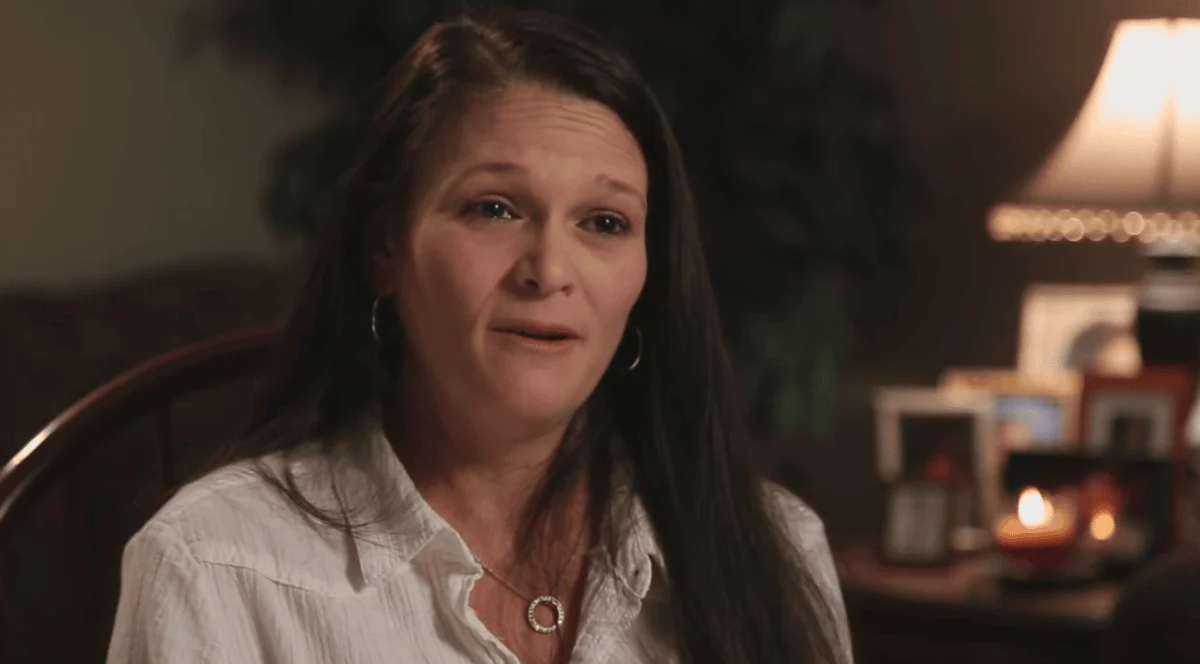
"I am very angry, and one of the things I'm most angry about – and I tell her all the time – is that that drug was so much more important to you than me. And I'm the one that can help you. I'm the one that helps you."
"The progression of addiction and the behavior that comes with it is pretty standard, regardless of where you're born, how much money you have, how old you are, what your race is, what your nationality is. You can be the smartest person in the world. The minute that chemical hits your bloodstream, you lose control of what it does in your body. You can't control it. Nobody can control it. I don't care who you are. It's not controllable."3
"Every generation seems to have their drug of choice. Unfortunately, this generation seems to have found prescription opiates as that drug of choice, and even more unfortunately, the consequences of those drugs are far more devastating than anything else we've seen in the past. Chemically and physiologically speaking, there's very little difference between oxycodone, morphine, and heroin. It's just that one comes in a prescription bottle and another one comes in a plastic bag."
"You can't move. You constantly sneeze. Your fucking whole body fucking aches. It fucking hurts. Fucking people are crapping on themselves. People are puking on themselves. People are doing both at the same time. You would probably rather be dead than have to actually go through withdrawal. It was horrific."
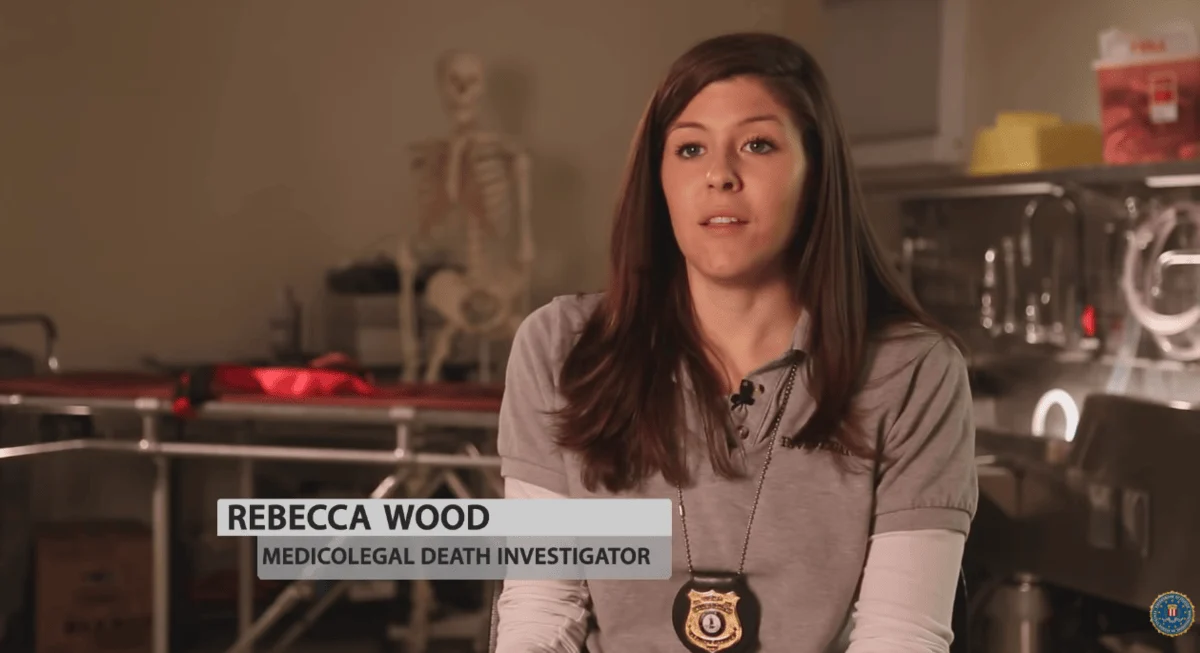
"Every day I come to work knowing that somebody died, and more times than not we have at least one prescription drug or other substance abuse case."
"I love my children more than anything in the world. I will walk through fire for them. And I know a lot of parents feel that way, but you can't feel that way. You have to understand what you're dealing with is not your child. I put my own child in jail to stop her from this, and that's not an easy decision to make. It's not a fun decision. Nobody wants to know that ... their little girl is sitting in jail, but she was seven months clean, eating healthy, getting her rest, no drugs."
"It is much stronger than you, and it will win. It will win because this doesn't just affect you. It affects everybody in your family for the rest of their lives. That we're the ones stuck here missing you, and there's help out there. You got to take it. Don't think you can do it alone, 'cause you can't. And your parents aren't the enemy. They just want the best for you."
1 Recent Monitoring the Future data show that adolescent illicit drug use has declined from pre-pandemic levels, with 19.8% of 10th graders and 31.2% of 12th graders reporting any illicit drug use in 2023. While overall use has not increased, research continues to show rising overdose risk among adolescents due to the contamination of the illicit drug supply with highly potent synthetic opioids such as fentanyl, meaning fewer users may still face significantly higher risk of death or poisoning compared to earlier periods.
2 A large population-based study of nearly 1.7 million people in British Columbia found that individuals receiving chronic prescription opioid therapy for non-cancer pain were significantly more likely to initiate injection drug use within five years compared to those with no opioid exposure. Risk increased with higher prescribed doses, suggesting a dose-dependent relationship between long-term opioid treatment and transition into higher-risk forms of drug use such as injection.
3 Research from the National Institute on Drug Abuse shows a strong but evolving link between prescription opioid misuse and heroin use. Historically, most people who used heroin first misused prescription opioids, but more recent data indicate shifting patterns in initiation. While prescription opioid misuse remains a risk factor for heroin use, only a small proportion of people who misuse prescription opioids transition to heroin, and newer studies show increasing variation in the first opioid used among people entering treatment.
Continue Learning
Explore the topics covered in this resource with the links below. Whether you're looking for a quick overview, an in-depth article, or another video, these resources can help deepen your understanding. If there's a topic you'd like to see covered or you're looking for something specific, feel free to contact me.
Explore the topics covered in this resource with the links below. If you're looking for something specific or have a suggestion, feel free to contact me.





Share Your Review
Your perspective matters. By sharing your honest thoughts, you can help others understand what this resource is really like beyond a simple summary. Whether it resonated with you, challenged your thinking, or wasn't what you expected, your feedback helps build a more useful and transparent collection of addiction and mental health resources.
Your perspective matters and helps improve this collection of addiction and mental health resources.
There are no reviews yet. Be the first one to write one.