Kids Are Dying
Introduction
Kids Are Dying is a documentary by Michael DeLeon that examines youth drug use through the lens of the ongoing opioid crisis. Through the stories of young people, grieving families, healthcare professionals, and educators, it explores how prescription drug misuse, heroin addiction, and overdose continue to affect children and young adults across the United States.
Beyond the personal stories, the film highlights the devastating impact addiction has on families and communities while emphasizing the importance of prevention through education and early intervention. It also connects to DeLeon's wider work with Steered Straight, a program focused on prevention and real-world education around addiction, and with his later documentary An American Epidemic, which expands the conversation beyond individual communities to show that the opioid crisis is a nationwide epidemic.
Michael DeLeon
Michael DeLeon is an author, documentary filmmaker, and recovery advocate whose work is shaped by his own experiences with addiction and incarceration. Following nearly 20 years of drug addiction and 12 years spent in prison, he dedicated his life to educating others about substance misuse, recovery, and life-changing choices. Through his work, DeLeon has reached millions of students and community members across the United States.
Share This Resource!
Share This Resource!
Quotes
"Her battle with drugs began when she was 13 years old. It started off with marijuana use and progressed to doing pills and that slowly progressed to heroin use, which ultimately led to her passing in September. They don't know what they're putting into their bodies. How do you know what you're getting that's been manufactured by somebody and handed down probably 20 times to the local guy that they're buying it from."
"Kids will talk about preferring to pop an oxy rather than smoking marijuana because you don't smell like smoke. You can stash it away someplace so if you're searched it doesn't show up. So they have become a popular go-to drug for high school age students in all kinds of social situations."1,2
"There's pharma parties … where kids go through their parents' medicine cabinet, pick something, and that's your admittance into the party. There's these huge bowls of god knows what, anything from Ritalin to blood pressure medication to Vicodin and OxyContin. So that's how these kids are getting started … experiment with prescription drugs and then become addicted."
"People say, oh well, that'll never be me. I get my drugs from the doctor and they're prescribed. Well, the day is going to come where you're going to run out because your tolerance builds and builds. Your doctor is only going to prescribe so many and you're going to overdo it. One day, you're going to run out, you're going to get sick and feel that feeling. You can say that you'll never do it all you want, but when you feel that feeling you'll do anything to make it stop. You'll hurt your family; you'll steal from anyone – it doesn't matter. You'll do anything to stop that pain."
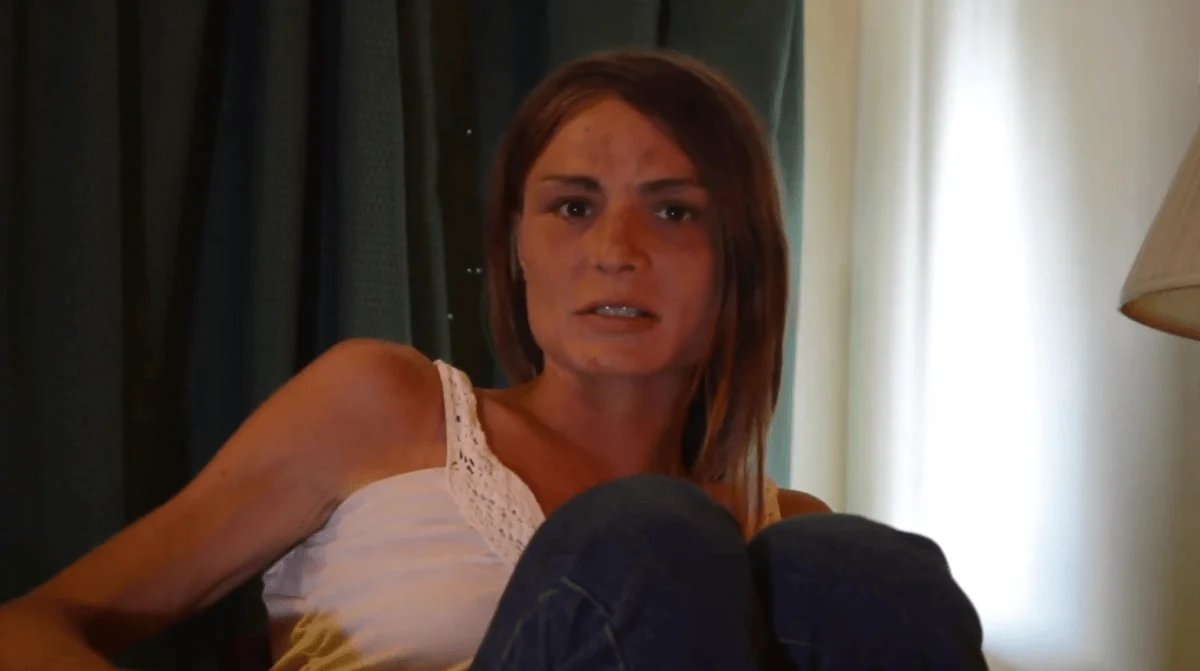
"Do not end up like me, trust me. It's not the life you want to live. It's not glamorous, it's not fun. I'm really dead inside. I'm really killing myself."
"I don't miss the chaos of the addiction. I think any parent that struggles with a child that's an addict or anybody that's an addict, the chaos of addiction is just that. I miss my son, but I don't miss that."
"If they get a check engine light in their car they go, oh man, I got to take this car and have it checked out. Well, their kids are showing them ‘check engine lights' and they're not taking them to check out the problem. There's warning signs but they may not even know what the warning signs are."
"Over lives turned into inpatient and outpatient rehabs and NA meetings. I would drive them to their meetings and wait in the parking lot for them to finish … watch them smoking their cigarettes, talking among their peers … I was heartbroken because I should be picking them up from the basketball game, not from this authentic ugliness of life."
"I think parents need to be aware that this is a huge problem … people who are using drugs and alcohol are incredibly creative and good at covering that up and if someone initially answers 'no' to a question, you may need to look a little bit further."
"One scary aspect of this epidemic is the age of first use, which is getting younger and younger. When I started in this field the average age and treatment was approximately 52 years of age … now it's in the elementary schools."3
"I found a great deal of trauma and physical and sexual abuse through many of the people that I interviewed. This is something we almost never talk about but it's something we must face in order to recover."4
"When you're talking about overdose deaths, that's the tip of the iceberg. There's a lot of other suffering that goes on with people … it tears up families, it really robs people of their self-esteem and their potential, and we see that all the time. Addiction is a disease that affects all areas of our lives. It paralyzes us and it devastates our family members."
1 A 2005 national study by the Partnership for a Drug-Free America found that 1 in 5 teenagers had abused prescription painkillers, with many obtaining the drugs from family medicine cabinets. The study also found that significant numbers of teens believed prescription pain relievers were less dangerous or addictive than illicit drugs.
2 Prevention and law enforcement resources have noted that prescription pills are often easier for adolescents to conceal than smoked substances because they are odorless and can be hidden in everyday objects such as candy containers, makeup cases, or school supplies, making them more difficult for parents and authorities to detect.
3 Federal substance abuse treatment data from 2011 found that most treatment admissions between the ages of 18 and 30 began using substances at age 17 or younger, while more than 10 percent reported initiating substance use at age 11 or younger. Earlier initiation was also associated with higher rates of polysubstance use and co-occurring mental health disorders.
4 The National Child Traumatic Stress Network notes that trauma, PTSD, and substance use are strongly connected. Research cited in the report found that substance use frequently develops following trauma exposure or PTSD onset, while adolescents with substance use disorders are also significantly more likely to report histories of physical or sexual abuse and other traumatic experiences.
Continue Learning
Explore the topics covered in this resource with the links below. Whether you're looking for a quick overview, an in-depth article, or another video, these resources can help deepen your understanding. If there's a topic you'd like to see covered or you're looking for something specific, feel free to contact me.
Explore the topics covered in this resource with the links below. If you're looking for something specific or have a suggestion, feel free to contact me.


Share Your Review
Your perspective matters. By sharing your honest thoughts, you can help others understand what this resource is really like beyond a simple summary. Whether it resonated with you, challenged your thinking, or wasn't what you expected, your feedback helps build a more useful and transparent collection of addiction and mental health resources.
Your perspective matters and helps improve this collection of addiction and mental health resources.
There are no reviews yet. Be the first one to write one.