What can the United States learn from Canada’s approach to the overdose crisis? ABC7 News reporter Tara Campbell travels to British Columbia to examine harm reduction and the services designed to keep people who use drugs alive and connected to care. Through personal stories and expert perspectives, the documentary explores supervised consumption, fentanyl, homelessness, trauma, stigma, and barriers to treatment. It also looks inside Insite, North America’s first legally sanctioned supervised consumption site, while examining the broader debate over whether similar approaches could help communities struggling with overdose in the United States.
Families across Texas share the devastating impact of fentanyl as overdose deaths rise and increasingly affect young people. Through grieving parents, advocates, survivors, and law enforcement, the investigation explores the dangers of counterfeit pills and the trafficking networks bringing illicit fentanyl into the United States. It also follows parents and organizations who have turned personal loss into advocacy, raising awareness about the risks facing their communities and working to prevent further deaths while law enforcement confronts the challenges of disrupting the fentanyl supply.
Families who have lost loved ones to fentanyl share their experiences alongside people in recovery, medical professionals, and advocates working across Virginia. Their stories explore counterfeit and fentanyl-laced drugs, the realities of overdose and grief, and the different paths people take toward recovery. The program also visits organizations providing treatment, peer support, and other recovery services while highlighting efforts to raise awareness about fentanyl and help families better understand the risks surrounding an increasingly dangerous drug supply.
Canada’s toxic drug crisis is examined through families who have lost loved ones, people who use drugs, frontline workers, and harm-reduction advocates. The program looks at the growing presence of fentanyl in the unregulated drug supply and visits overdose prevention and drug-checking services working to reduce deaths. Produced for an Australian audience, it also considers what Canada’s experience could mean for Australia as debates continue around supervised consumption, safer supply, decriminalization, treatment, and how governments should respond to an increasingly unpredictable drug supply.
Families, frontline workers, advocates, and experts share their experiences of Canada’s opioid crisis and the failures that have allowed it to continue. Their stories examine prescription opioid addiction, stigma, drug policy, and the enormous toll of overdose on families and communities. The film also looks at harm reduction and decriminalization, questioning decades of punitive approaches to drug use while highlighting the people and organizations pushing for a public health response that focuses on keeping people alive.
Real stories of heroin addiction, overdose, grief, and recovery reveal the devastating impact of the opioid crisis on individuals and families. Parents who have lost children share their experiences alongside people in recovery and professionals working in addiction treatment. Their stories explore the powerful effects of prescription opioids, the progression from painkillers to heroin, and the realities of treatment and long-term recovery. At the center is a mother who turned the loss of her son into an effort to raise awareness and help prevent other families from experiencing the same tragedy.
This documentary explores the opioid crisis in Western Pennsylvania through the voices of people whose lives have been shaped by heroin addiction. Featuring individuals in recovery, grieving families, healthcare professionals, and community advocates, the documentary examines how prescription opioids, stigma, and untreated addiction contributed to a growing public health crisis. Alongside stories of loss, it highlights the people and organizations working to expand treatment, support families, and reduce overdose deaths, offering a message that recovery and hope remain possible.
Michael DeLeon's first documentary explores how the opioid crisis is affecting children, teenagers, and families across the United States. Through interviews with grieving parents, healthcare professionals, educators, and people in recovery, it examines the progression from prescription drug misuse to heroin addiction while highlighting the devastating impact of overdose, trauma, and loss. The documentary also emphasizes prevention, early intervention, and the importance of educating young people before experimentation turns into lifelong addiction.
After recovering from nearly two decades of addiction and 12 years in prison, Michael DeLeon traveled across the United States speaking with families, healthcare professionals, educators, and people in recovery about the opioid crisis. Through their stories, this documentary explores the devastating impact of prescription opioids, overdose, and addiction while highlighting the importance of prevention, treatment, and recovery. Together, these voices reveal how deeply the epidemic has affected communities across America and why many believe far more must be done to save lives.
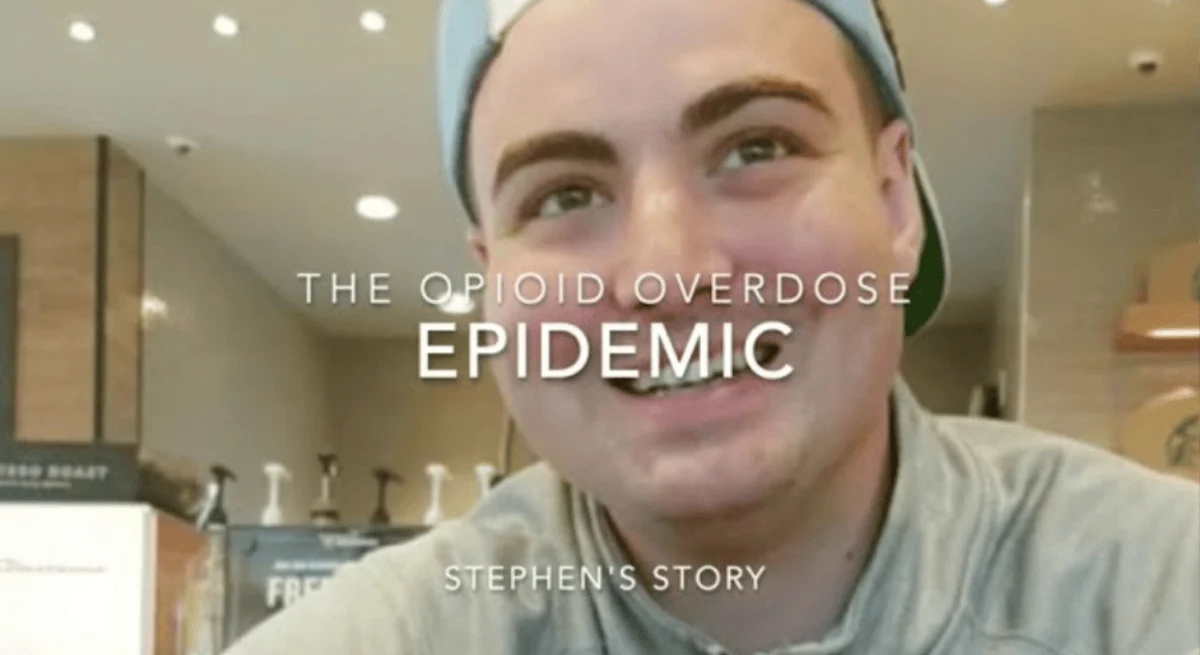
Stephen's Story follows one family's journey through grief after losing Stephen to an opioid overdose in 2018. Through heartfelt interviews, they reflect on the trauma, mental health struggles, family history, and addiction that shaped his life while raising awareness about the opioid crisis. More than a tribute, the documentary encourages open conversations about substance use, challenges stigma, and offers hope to families facing similar experiences.