Overtaken
Introduction
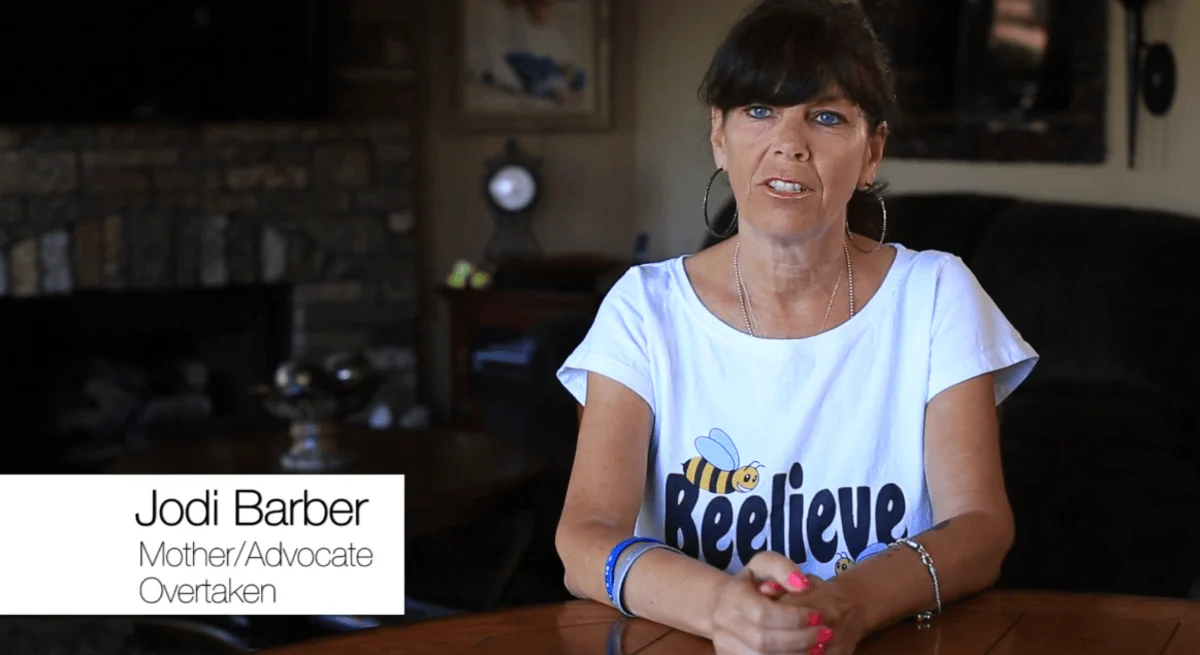
After losing their sons to drug overdoses, Jodi Barber and Christine Brant joined together to create Overtaken, a documentary aimed at educating young people and families about the prescription drug crisis affecting Orange County, California. Featuring grieving parents, teens and young adults affected by addiction, and addiction professionals, the film explores how experimentation with prescription opioids and other drugs can escalate into addiction, overdose, and devastating consequences for individuals and families.
Through firsthand experiences and prevention education, Overtaken highlights the warning signs of substance use while challenging the idea that addiction only affects certain types of people or families. Created specifically to reach young audiences, the documentary encourages honest conversations about drugs, addiction, and the potentially life-changing consequences of substance use.
Many of the young adults return in the follow-up film, Where Are They Now (2014), where they reflect on their continued recovery and demonstrate that long-term sobriety is possible. Together, the two films offer both a powerful warning about the consequences of addiction and a message of hope for individuals and families affected by substance use.
Additional Resources:
Share This Resource!
Share This Resource!
Quotes
"I was able to maintain college for a year and then once my using got serious I lost control. I was failing all my classes I wasn't showing up for family events, I basically drove my car till I blew up, I lost all my jobs that I had, I was in an abusive relationship with my ex-boyfriend who I used with and to me the biggest thing I lost was myself."
"I started using OxyContin at 15 years old and before I knew it, I couldn't stop. I like to say my addiction robbed me of my morals and my ethics. I stole thousands and thousands of dollars from my parents. I wrecked cars. I wrecked relationships. I traumatized my family … I just couldn't stop and it got to the point where I wanted to die but I couldn't do it myself. It was a miserable existence."
"As your tolerance goes up, you start to regain a little bit of consciousness, and you have to get more loaded, so you don't think about all the people you're hurting and how much you're hurting yourself. You have to stay high so that you don't care, otherwise you can't live with yourself."
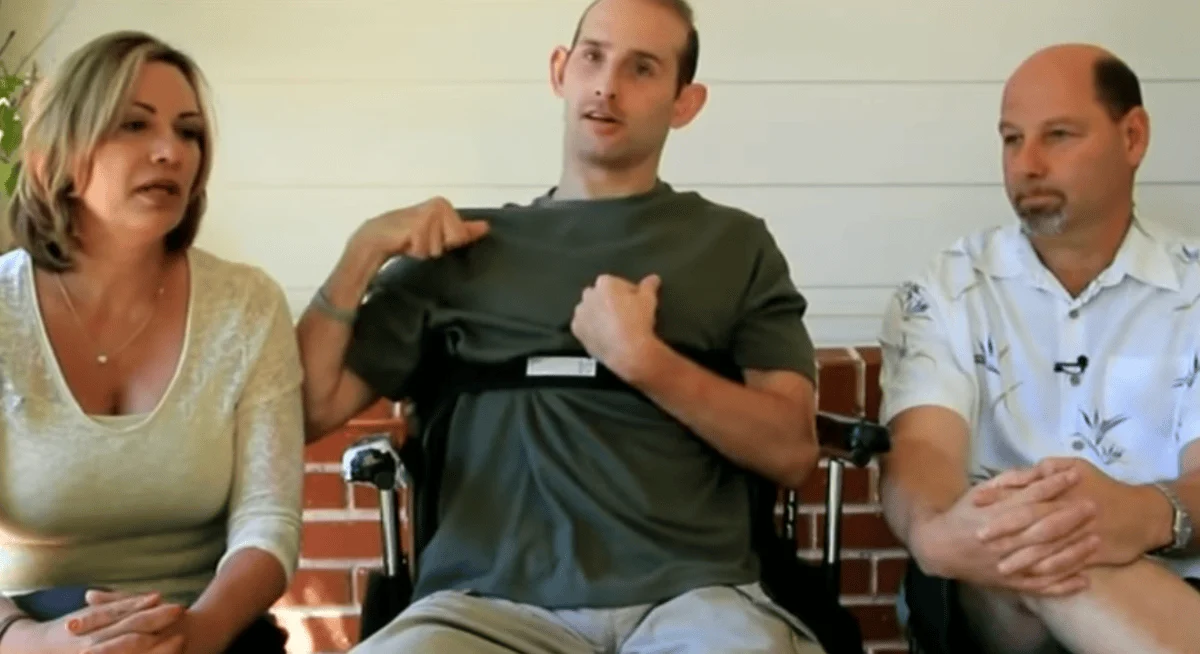
"I think that's the most important thing that kids need to understand – that OxyContin, ecstasy and all the hardcore drugs and pills that you're taking, change your brain so dramatically quickly that you become an addict. Maybe not the first time, maybe not the fifth time, but it's not if, it's when."1
"I've lost six friends to overdoses in less than a year and that was heartbreaking for me and even after that, that still wasn't enough for me to stop."
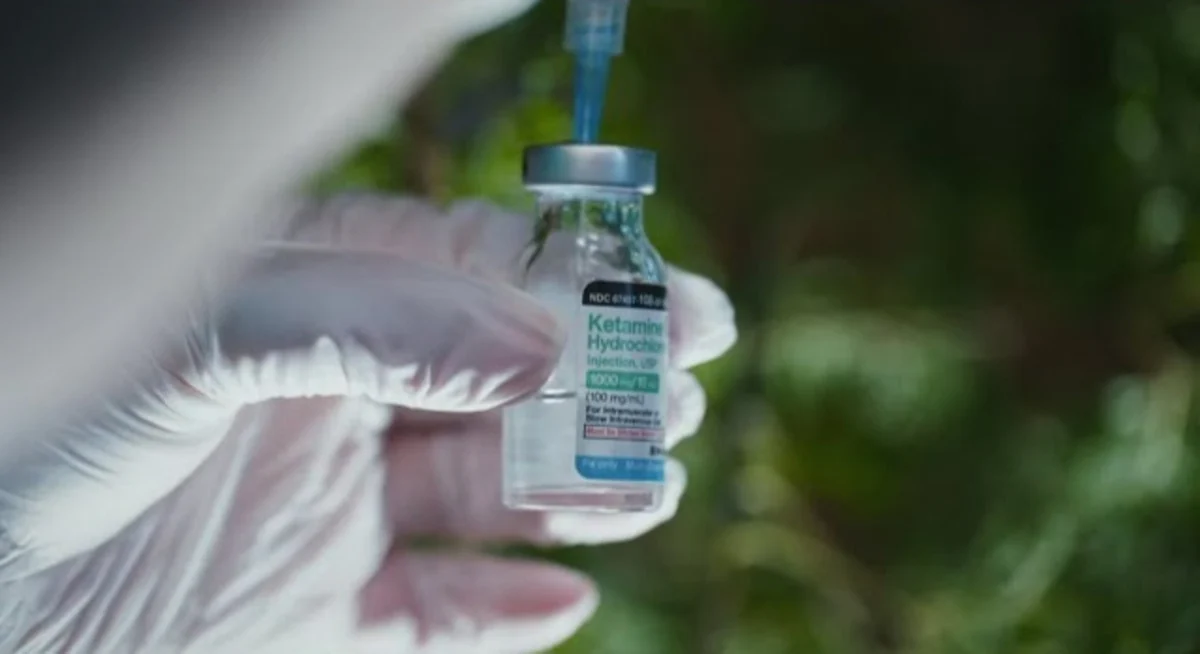
"They were intended to be taken as a pill coated with a material which dissolved over a period of time and then release the something slowly. Now kids and adults have understood that if they remove the layer of the skin, then all of a sudden, you've taken a time-release drug and made it into an immediate release drug that is extremely potent."2
Where Are They Now?
The 2014 follow-up revisits several of the young adults featured in Overtaken as they reflect on their continued recovery and the lives they have rebuilt since the original documentary. Shifting the focus from addiction and overdose toward recovery and hope, the film also explores the importance of family support, rebuilding relationships, and making sobriety a priority.
"Most people who end up getting overtaken by addictions, they've had a broken heart somewhere along the way, and really, with all the work I do, I focus on heart issues. And when people tell their story and there's someone else that hears and validates their journey, and can understand and help them connect some pieces, hope begins to be born."
"It's essential that the addict or alcoholic open their heart and mind and start accepting the gift of sobriety, the gift of friendship, the gift of love. Because the drug itself beats you down."
"Once your child is in treatment, don't give up on your son or daughter. Continue to show the love and support. You don't want to enable at all but you also don't want to turn your back on your own child."
"The participation and support of the family is essential. It's known as a family disease in the treatment field and so they are required to participate so they can have the skills, the education, about how to support this and get better because everybody has their role."
"I put my sobriety in the number one position in my life. My sobriety, my recovery, is in front of my wife, it's in front of my children, it's in front of everything that I do. Nothing comes in front of it because if I am not sober, if I am not clean and sober, I won't have a wife, I won't have my children, I won't have a job, I won't have a home."
1 Repeated drug use can produce changes in the brain's reward system, including reduced sensitivity to natural rewards and the development of tolerance, which may lead a person to use more of a drug to achieve the same effect. However, addiction is not an inevitable result of drug use, and the risk of developing a substance use disorder varies between individuals.
2 In 2010, OxyContin was reformulated after concerns that crushing or dissolving the original tablets could defeat their extended-release properties and deliver the oxycodone dose immediately. The new formulation used abuse-deterrent barriers designed to make the tablets more difficult to break, crush, or dissolve.
Continue Learning
Explore the topics covered in this resource with the links below. Whether you're looking for a quick overview, an in-depth article, or another video, these resources can help deepen your understanding. If there's a topic you'd like to see covered or you're looking for something specific, feel free to contact me.
Explore the topics covered in this resource with the links below. If you're looking for something specific or have a suggestion, feel free to contact me.


Share Your Review
Your perspective matters. By sharing your honest thoughts, you can help others understand what this resource is really like beyond a simple summary. Whether it resonated with you, challenged your thinking, or wasn't what you expected, your feedback helps build a more useful and transparent collection of addiction and mental health resources.
Your perspective matters and helps improve this collection of addiction and mental health resources.
There are no reviews yet. Be the first one to write one.