Robert Munsch reflects on the private struggles that existed alongside his celebrated career as one of Canada's best-known children's authors. In this revealing interview, he discusses childhood depression, bipolar disorder, obsessive-compulsive disorder, alcohol and cocaine addiction, family tragedy, and his experiences with recovery. He also explores the relationship between his mental health, addiction, and writing, sharing how personal experiences and the children he encountered inspired many of his stories and shaped the public storyteller generations of readers came to know.
Young people's changing attitudes toward cannabis are creating new challenges for prevention and public health in Singapore. This investigation examines cannabis use, addiction risk, social media, drug trafficking, and the influence of changing policies in nearby Thailand. Through healthcare professionals, researchers, law enforcement, counsellors, community organizations, and people with lived experience, the episode explores Singapore's strict approach to drugs alongside prevention, recovery, and youth outreach efforts. It also examines concerns surrounding cannabis commercialization and how shifting perceptions of the drug may influence younger generations.
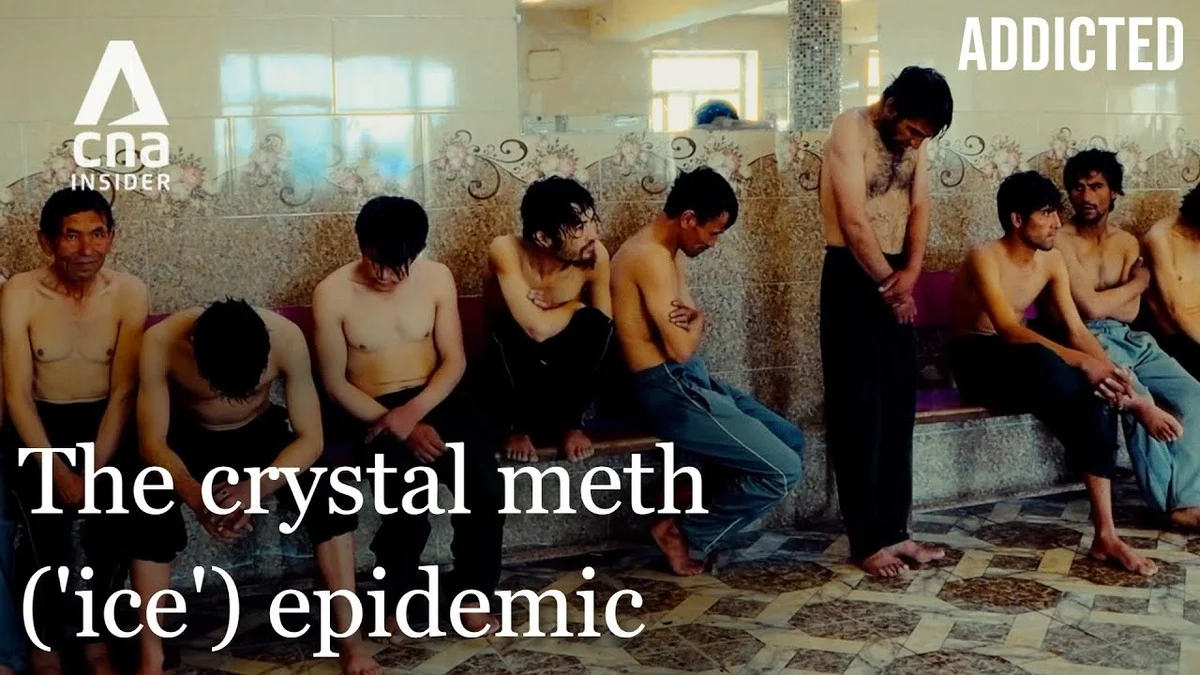
Across Pakistan, Thailand, Canada, and Australia, methamphetamine production, trafficking, addiction, and recovery take very different forms. This investigation follows police raids, rehabilitation programs, border patrols, drug-destruction operations, clandestine laboratories, and wastewater monitoring while tracing the networks that move synthetic drugs across borders. It also examines the role of Myanmar's expanding meth trade, the challenges facing people seeking treatment, and the impact of high-potency drugs on communities. Through law enforcement, experts, treatment workers, and people affected by addiction, the episode reveals the global reach of synthetic drugs.
After years of gambling addiction and repeated relapses, Brian Hatch found recovery and began using his experiences to help others through ALL IN: The Addicted Gambler's Podcast. In this conversation, he reflects on the financial and emotional consequences of gambling, the shame that kept him from returning to Gamblers Anonymous after a relapse, and the compulsive nature of addiction. Brian also discusses the difficulty of walking away from gambling, the role accessibility can play in addiction, and the importance of Gamblers Anonymous and continued recovery while offering hope to others struggling with gambling addiction.
Journalist Elizabeth Vargas speaks candidly with Diane Sawyer about her experiences with anxiety, alcohol addiction, treatment, relapse, and recovery. Behind a successful career at ABC News, Vargas struggled with severe anxiety and increasingly relied on alcohol to cope, eventually entering treatment multiple times. She reflects on hiding her addiction, resisting help, and the impact her drinking had on her family and career. Through her story, the interview explores the connection between anxiety and alcohol use disorder, the realities of relapse, and the ongoing commitment required in recovery.
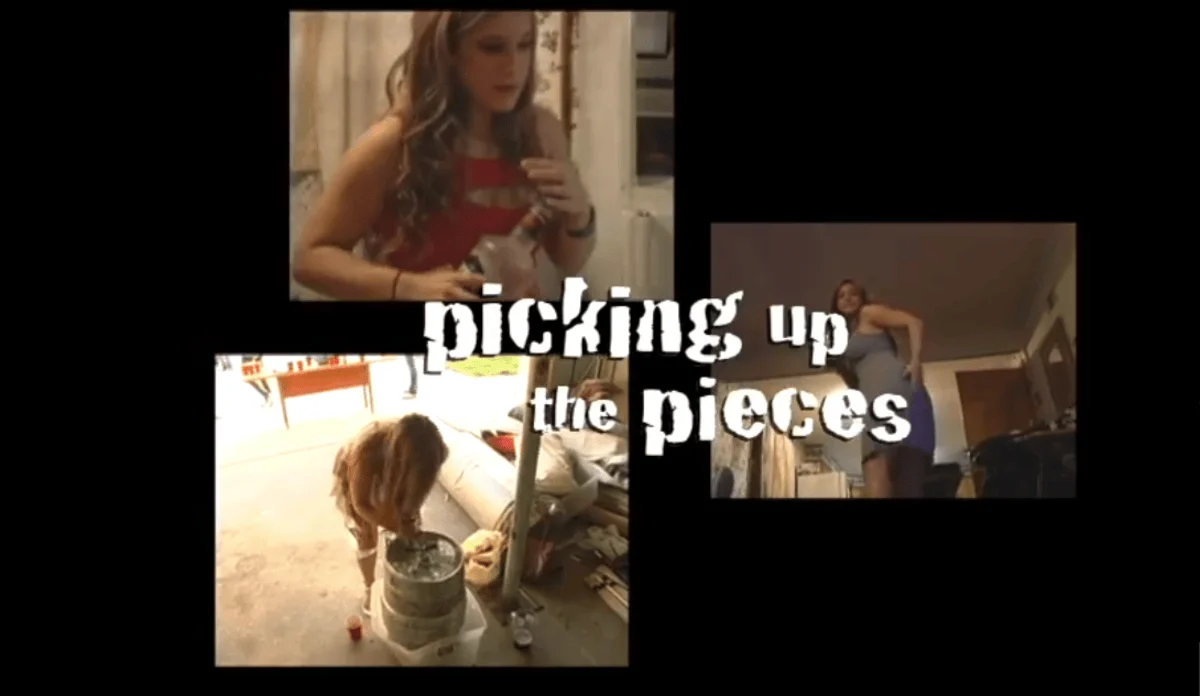
For many students, heavy drinking is treated as a normal part of college life—but when does it become a problem? Following Rachel, a student who struggles to recognize the severity of her binge drinking, this documentary examines the normalization of alcohol misuse and the consequences that can follow. Alongside her story, individuals in recovery reflect on blackouts, trauma, addiction, and the experiences that eventually led them to seek help, revealing how quickly drinking can shift from a social activity into something that affects nearly every part of a person's life.
TOPICS: Alcohol, Alcohol Use Disorder, Drinking Culture, Personal Stories, Recovery, USA, Youth
Across Arkansas, individuals and families share deeply personal experiences of opioid addiction, overdose, loss, and recovery. Their stories reveal how prescription opioids, heroin, and fentanyl have shaped the state's opioid crisis, while experts explain how dependence and opioid use disorder can develop and why the drug supply has become increasingly dangerous. Alongside accounts of repeated overdose and lives lost are stories of survival and recovery, highlighting the work of healthcare professionals, advocates, families, and communities responding to the crisis and supporting people as they rebuild their lives.
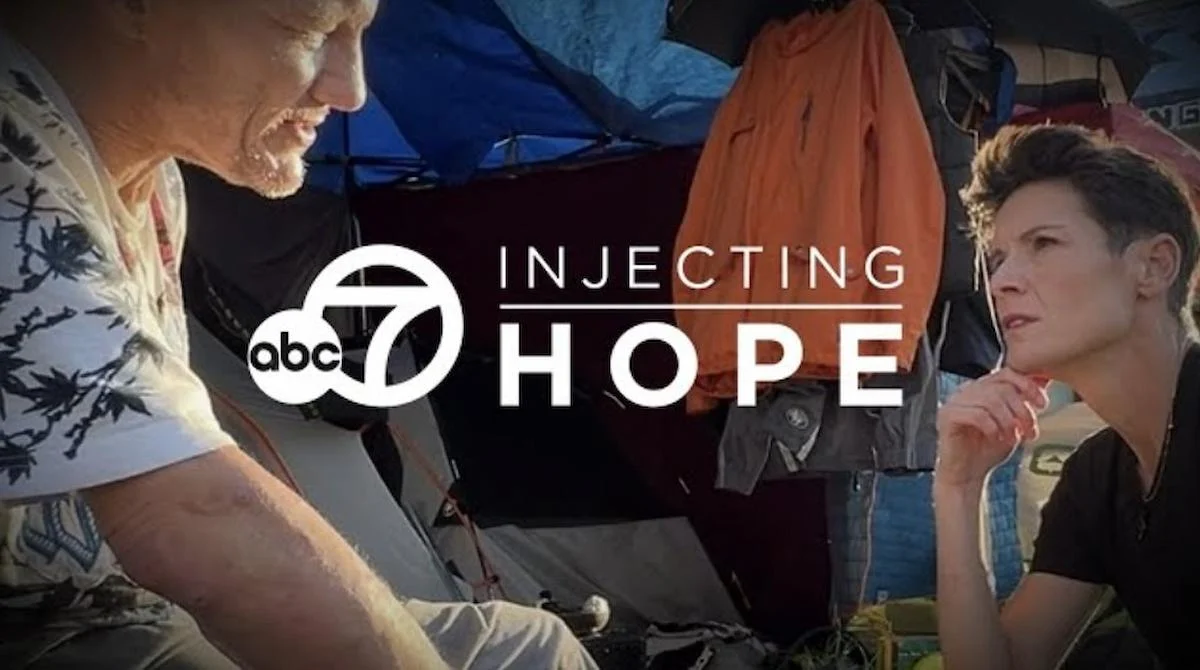
What can the United States learn from Canada’s approach to the overdose crisis? ABC7 News reporter Tara Campbell travels to British Columbia to examine harm reduction and the services designed to keep people who use drugs alive and connected to care. Through personal stories and expert perspectives, the documentary explores supervised consumption, fentanyl, homelessness, trauma, stigma, and barriers to treatment. It also looks inside Insite, North America’s first legally sanctioned supervised consumption site, while examining the broader debate over whether similar approaches could help communities struggling with overdose in the United States.
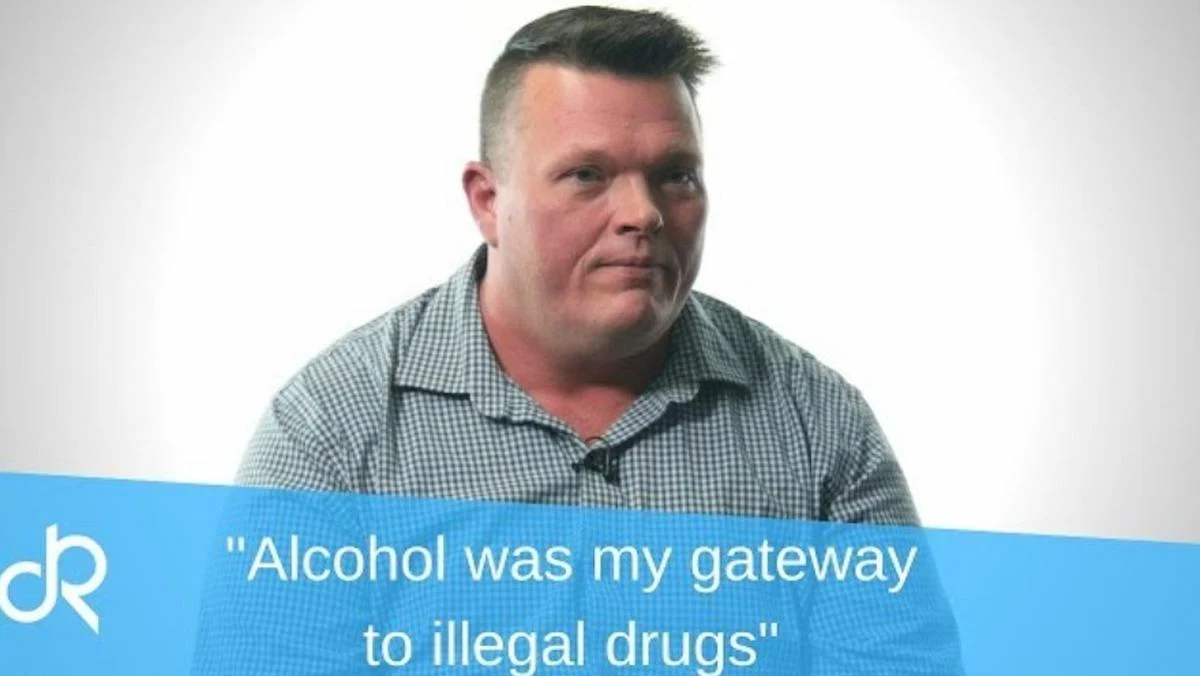
Brady began drinking as a teenager before alcohol became part of a growing cycle of cocaine, prescription pills, benzodiazepines, and eventually heroin addiction. He describes using different substances to control how he felt, the hopelessness and isolation that followed, and serious health consequences that still were not enough to make him stop. After treatment and relapse, Brady began to approach recovery differently. His story explores the progression of addiction and the difficult process of rebuilding a life through treatment, meaningful relationships, community support, and a commitment to making recovery his priority.
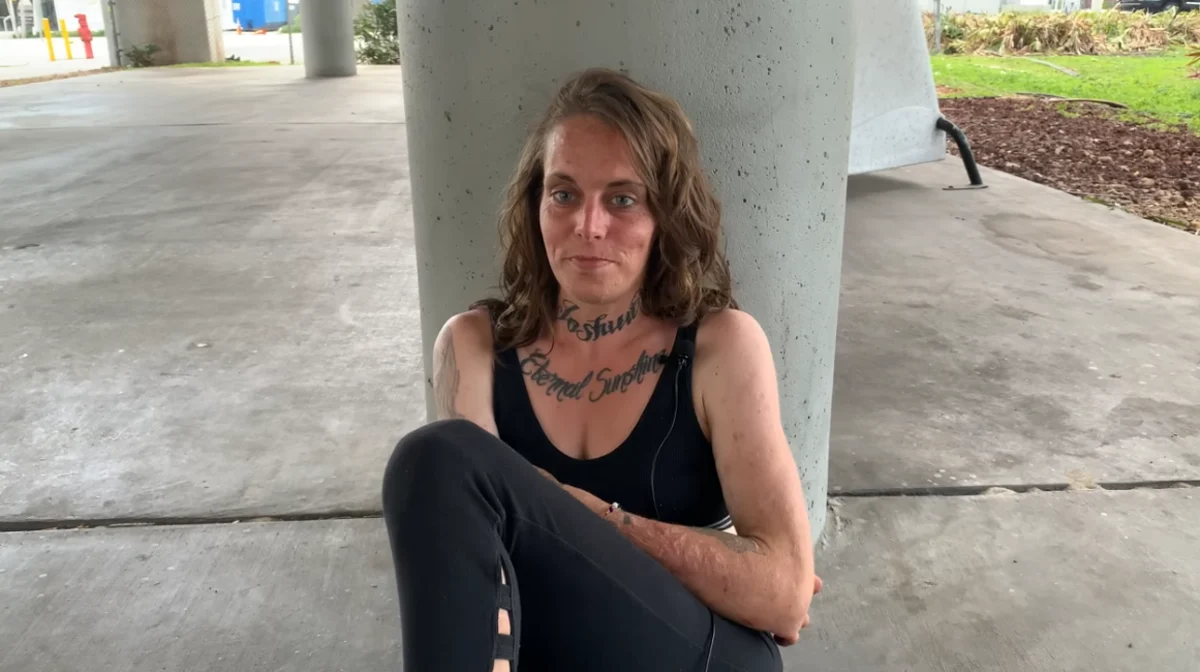
Ariel shares her addiction story, reflecting on the childhood abuse, trauma, homelessness, and instability that shaped her life and substance use. She speaks openly about methamphetamine, heroin, fentanyl, and crack cocaine, as well as the role drugs played in numbing painful experiences from her past. Follow-up interviews and updates over the next several years show Ariel continuing to struggle with addiction despite periods of treatment and attempts at recovery. Her story offers an honest look at the long and complicated nature of addiction, relapse, trauma, and the hope for change.