Crisis Next Door: The Fentanyl Epidemic
Introduction
Crisis Next Door examines North Carolina’s fentanyl epidemic through the experiences of families who have lost loved ones, harm-reduction workers, and experts responding to the crisis. It explores the rise of illicitly manufactured fentanyl, its role in overdose deaths across the state, and the devastating impact the crisis has had on families and communities.
The documentary also looks at how the opioid crisis evolved from prescription medications to heroin and fentanyl, as well as the changing drug supply and efforts to hold pharmaceutical companies accountable. Alongside these issues, Crisis Next Door highlights harm reduction, including naloxone and fentanyl test strips, and the importance of reducing stigma and helping people stay alive.
North Carolina
"North Carolina continues to set the standard for fighting the opioid epidemic with transparency and accountability…making sure North Carolinians know how their counties and municipalities are investing these funds to save lives and build safer, healthier communities."x
Additional Resources:
Share This Resource!
Share This Resource!
Quotes
"Fentanyl is an opioid, and what that means is it's a painkiller. In its pharmaceutical forms, when it's produced by pharmaceutical companies and approved by the FDA, it's used for acute and chronic pain. Unfortunately, when we're talking about fentanyl from an overdose perspective, we're mostly talking about illicit fentanyl … produced by drug cartels and used for money making purposes, not for healthcare."
"If you can put in a tiny amount of something and produce a big high, then you can make a lot more money. So obviously, if the dealer has the strongest stuff on the streets, that's what these drug users are going to look for."
"A little over 75% of drug overdoses in North Carolina involve fentanyl in some way. Unfortunately, in 2021, we lost the most North Carolinians we've ever lost to drug overdoses, and that was 4,041 individuals."1
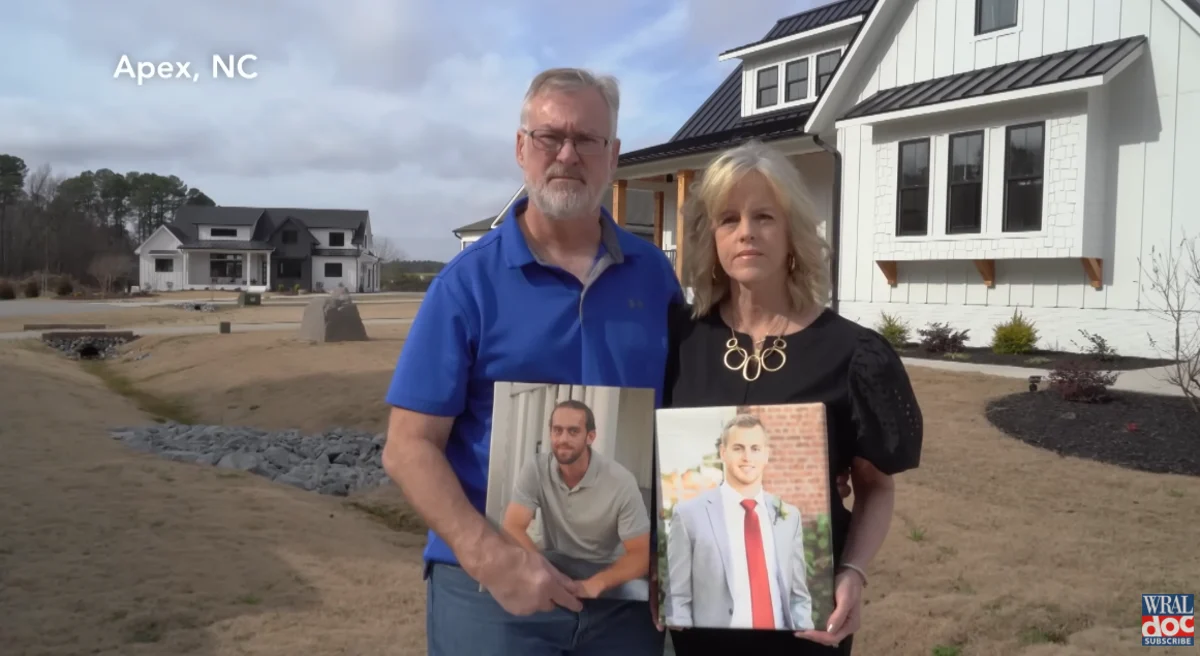
"We had five boys. William was the oldest, and Parker was out middle son. I just absolutely loved every moment of being able to be called their mother ... we all had hoped that 'wow, now William's finally gotta wake up. Losing a brother has to have him wake up from this terrible disease.' Unfortunately, it did not."
"There was marijuana – people were not addicted and dying over it. Then cocaine came out and people were addicted to it, but they probably weren't dying of it. Then crack came out, which is a whole lot more addictive, but it wasn't killing them instantly. Now you have heroin that is laced with fentanyl and opioids. It's killing people instantly."
"Originally, we were seeing fentanyl flown in from China – that's where a lot of the component chemicals are manufactured. But more recently, the fentanyl components are being sent to Mexico where they're being manufactured there and driven across the border through border checkpoints. And those drugs are coming all across this country, and they're absolutely devastating people's lives."2
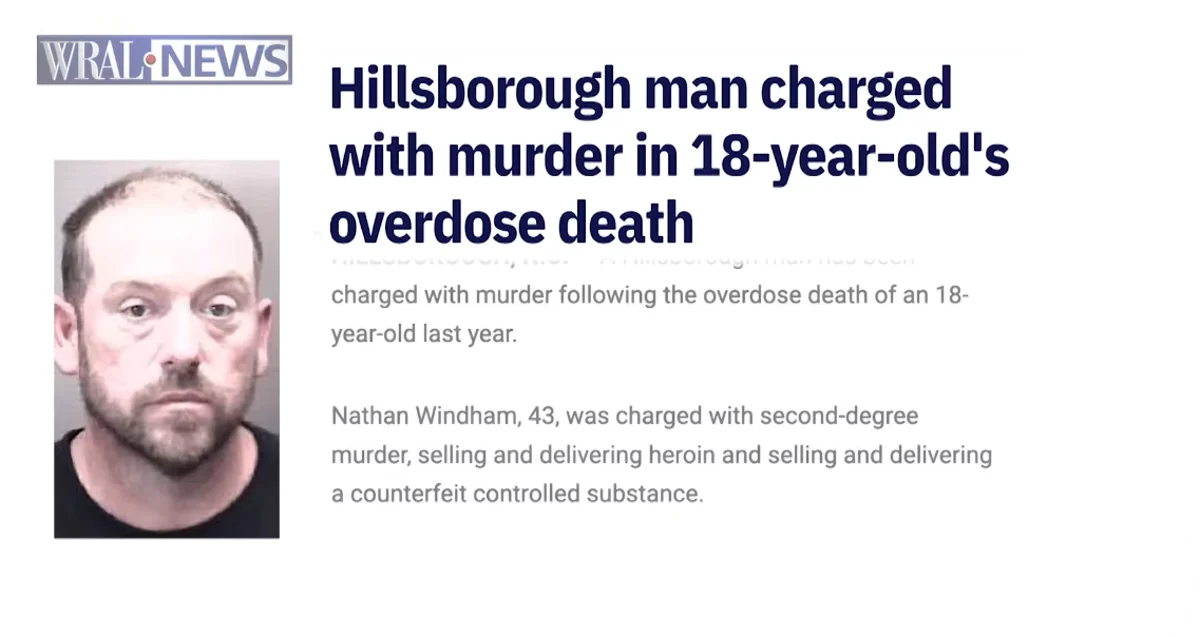
"We initially decided to charge Mr. Windham with second degree murder ... What we elected to do with the support of the family was to offer Mr. Windham a plea to involuntary manslaughter."
"There were three waves of this opioid epidemic. The first wave from 2000-2010/2012 had to do with prescription pills. The drug companies were aggressively promoting these pills to prescribers, asserting that they were effective at treating pain and they were not addictive – it turns out neither of those things are true. So, millions of Americans got hooked on these pills while these companies were making billions and billions of dollars. When the pills became less available, folks started transitioning to using heroin, buying it on the street, because heroin was cheaper than the prescription pills. And now this third wave has to be with fentanyl which is even cheaper than heroin. And that's what's killing people because it's incredibly potent."3,4
"We are making them [pharmaceutical companies] pay over $50 billion. North Carolina's share is going to be about $1.4 billion. It has to go to prevention, harm reduction, treatment or recovery services."5
"Harm reduction is a safe space for people to come and get clean sterile supplies, Narcan, fentanyl test strips, basically anything a drug user needs to stay safe."
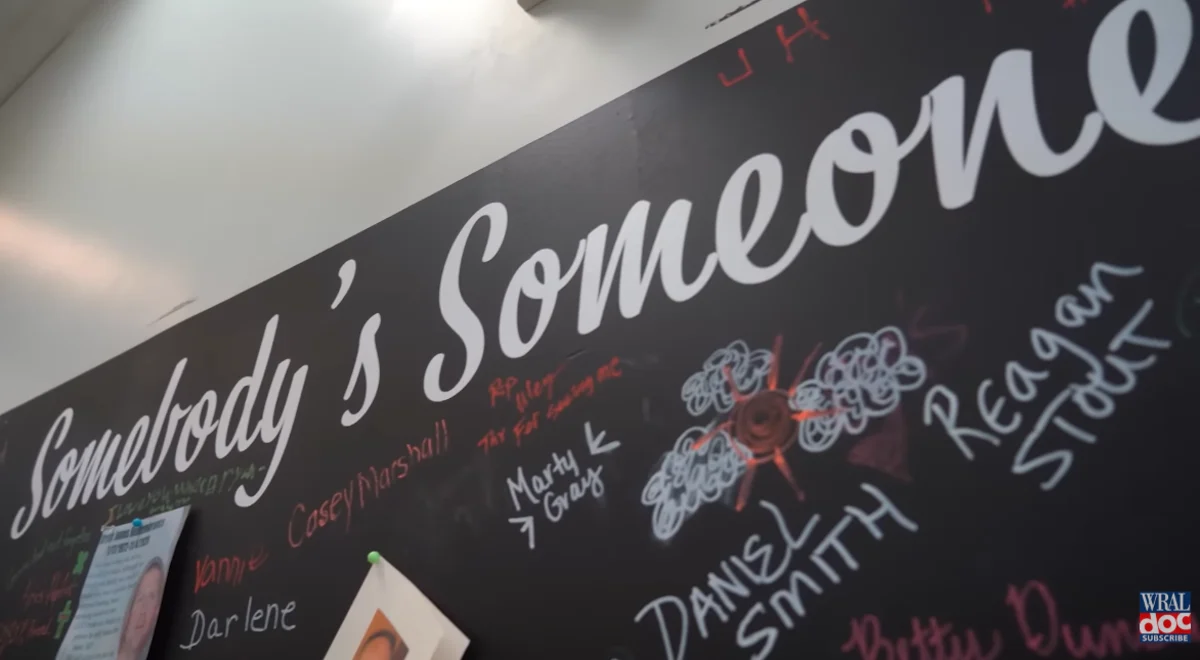
"I [Erica Minton] am the harm reductionist here for Wilkes Recovery Revolution ... I came here to put his picture on the Somebody's Someone wall, and it just so happened that those events led up to, they needed a harm reductionist. Every day when I come into work I touch his picture, and I feel him, I just know he's working with me."
"They [fentanyl test strips] can test that substance so that they can make a better choice for themselves and know what is in that supply. I used to say that people overdosed. I now say that people are being poisoned because people don't even know what they're getting."
1 Although overdose deaths in North Carolina have declined in recent years, fentanyl remained involved in approximately 69% of overdose deaths in the state in 2025. Health officials also reported that fentanyl is increasingly being detected alongside other substances, most commonly cocaine and methamphetamine.
2 Illicit fentanyl supply chains are complex and have evolved over time. While China has historically been a major source of precursor chemicals used to manufacture fentanyl, production has increasingly shifted to domestic laboratories in Canada and transnational networks involving multiple countries, including Mexico and India.
3 Opioid pharmaceutical marketing, led by Purdue Pharma's 1996 launch of OxyContin, aggressively promoted long-acting opioids for chronic non-cancer pain, shifting from strict, short-term usage paradigms. Misleading tactics—including overstating safety, downplaying addiction risks, and funding biased educational materials—drove widespread prescribing, fueling a major public health crisis, resulting in exponential overdose increases, and leading to billions in corporate settlements.
4 Researchers have increasingly described a “fourth wave” of the overdose crisis marked by rising deaths involving stimulants such as cocaine and methamphetamine used in combination with synthetic opioids like fentanyl. Public health experts have also raised concerns about emerging adulterants, including xylazine, entering the illicit drug supply.
5 North Carolina's opioid settlement funds are required to be used for opioid remediation efforts, including evidence-based addiction treatment, recovery support services, naloxone distribution, syringe service programs, diversion programs, youth intervention initiatives, and reentry support for individuals leaving incarceration.
Continue Learning
Explore the topics covered in this resource with the links below. Whether you're looking for a quick overview, an in-depth article, or another video, these resources can help deepen your understanding. If there's a topic you'd like to see covered or you're looking for something specific, feel free to contact me.
Explore the topics covered in this resource with the links below. If you're looking for something specific or have a suggestion, feel free to contact me.





Share Your Review
Your perspective matters. By sharing your honest thoughts, you can help others understand what this resource is really like beyond a simple summary. Whether it resonated with you, challenged your thinking, or wasn't what you expected, your feedback helps build a more useful and transparent collection of addiction and mental health resources.
Your perspective matters and helps improve this collection of addiction and mental health resources.
There are no reviews yet. Be the first one to write one.