Afghanistan's Billion Dollar Drug War
Introduction
Drug use in Afghanistan is reaching critical levels, driven by instability, limited resources, and the rapid expansion of poppy cultivation. As international forces withdraw and funding for local enforcement declines, the country faces growing challenges in controlling drug production and addiction. Afghanistan's Billion-Dollar Drug War by 101 East examines how authorities are attempting to respond, while also questioning the broader impact of the global war on drugs.
Amid these systemic struggles, the documentary highlights a deeply human story through a woman named Laila Haidari, founder of Kabul's Mother Camp rehabilitation centre. Working with limited support, she dedicates her life to helping people recover from addiction—offering counselling, stability, and a path forward. The film ultimately explores both the scale of Afghanistan's drug crisis and the individuals working tirelessly to confront it.
Additional Resources:
Share This Resource!
Share This Resource!
Quotes
"Afghanistan is in the grips of a drug epidemic many say is far more dangerous than the Taliban. These fields now supply 90% of the world's heroin and authorities appear unable or unwilling to stop those behind this multi-billion dollar drug trafficking industry."1
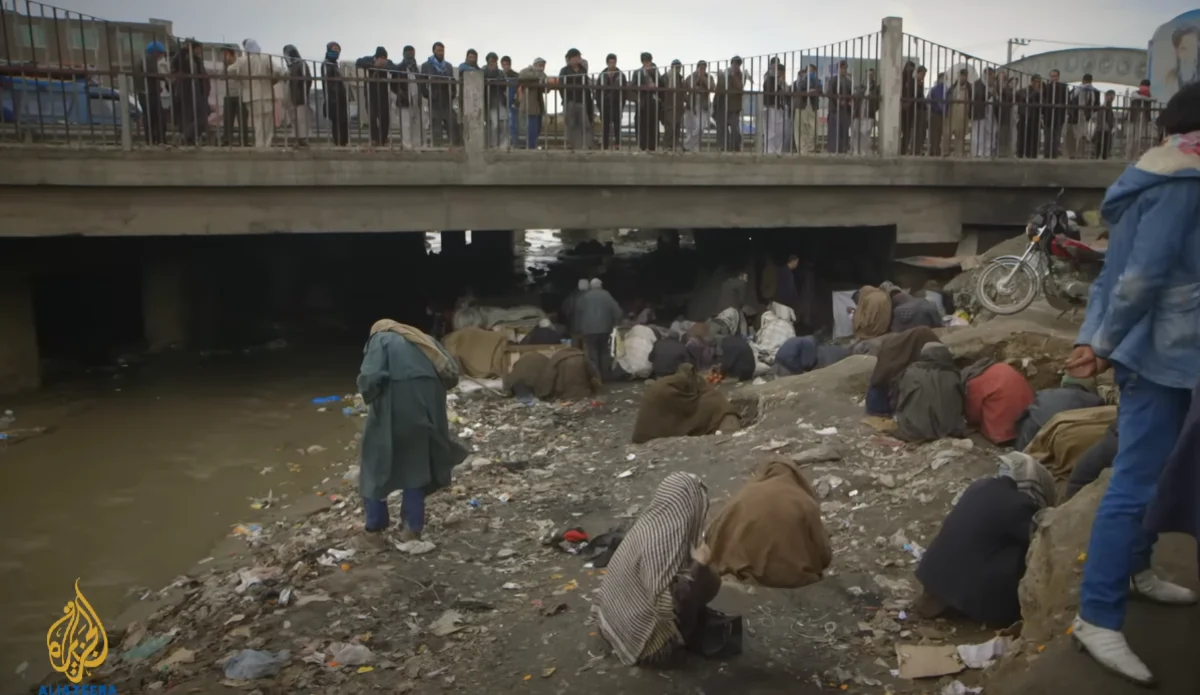
"Under a bridge in the capital of Kabul, we witness the human toll illicit drugs are having on the country. It's a scene of abject misery. While heroin is grown and produced here and is mostly trafficked out of the country, increasingly Afghan's themselves are falling prey to it. Latest studies estimate there are now 2.9 million drug users in Afghanistan, the highest per capita in the world."2
"Few dare to go under the bridge, but Mama furiously wages into the crowds. There's probably about a thousand under this overpass and the smell is a mix of human feces and garbage, and Mama comes here all the time."
"It's filthy down there and people get all kinds of diseases. They also die of the cold and of overdoses. It's just not fit for humans to live there."
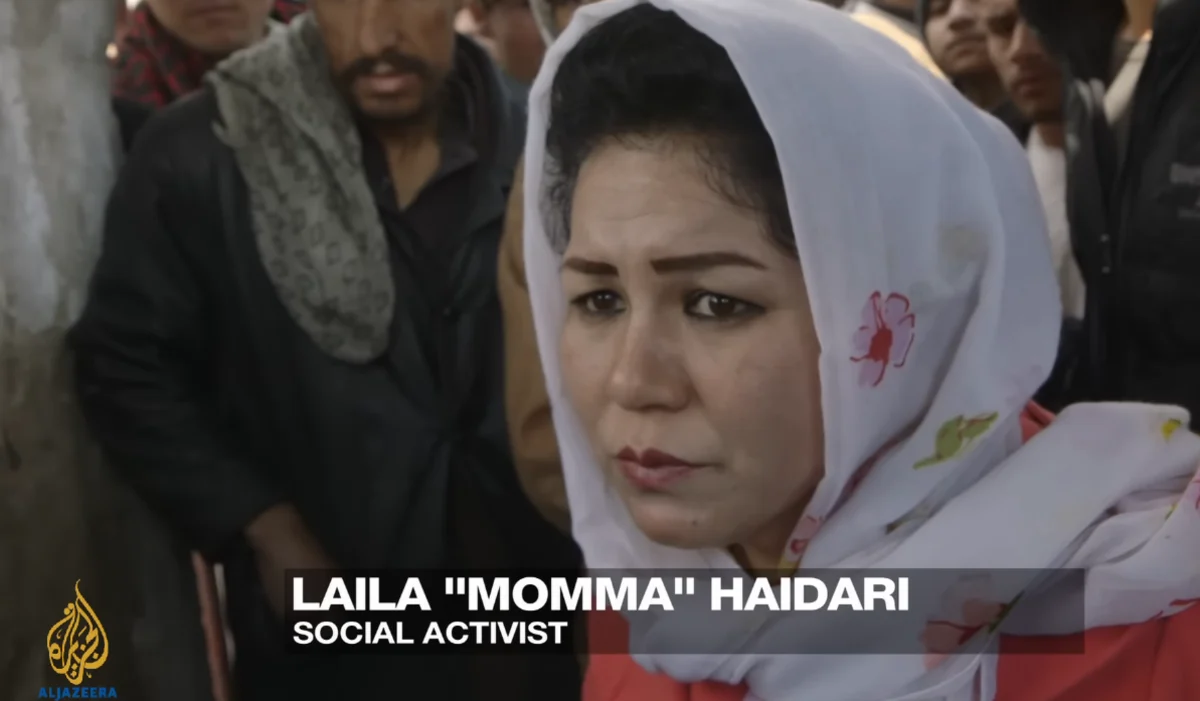
"They are human beings and I want to fight for them. For as long as I'm alive, I will work to help people overcome their addiction."
"In 2014, farmers here cultivated a record 224,000 hectares of poppy. We've come back this spring to gauge whether this year is going to bring yet another record harvest. Government warnings against growing the crop are everywhere, but the deeper into the countryside we go, the less control Afghan authorities have."
"Poppy guarantees cash in your hands. You make 10 times more with the drug than with other crops. It means I don't need to be in debt and can feed my family of 10. The money we make isn't huge like people think. We borrow cash for the seeds and, in the end, we earn only a few hundred dollars per acre."
"Faysal Ramam blames years of war and instability and says for poor farmers like himself only poppy brings in the profits. For more than a decade, these agricultural areas of the South have been the scene of intense battles. NATO troops fought a fierce ground war among these rural compounds against the Taliban. Markets and crops were destroyed, leaving farmers with few ways to support their families."
1 Afghanistan was historically the dominant source of global illicit opium, but production dropped sharply after a 2022 ban on poppy cultivation, falling by over 90% by 2023, with other countries such as Myanmar emerging as major producers.
2 More recent research indicates that drug use in Afghanistan remains widespread, with millions affected and rates significantly higher than global averages, alongside growing impacts on women and children.
Continue Learning
Explore the topics covered in this resource with the links below. Whether you're looking for a quick overview, an in-depth article, or another video, these resources can help deepen your understanding. If there's a topic you'd like to see covered or you're looking for something specific, feel free to contact me.
Explore the topics covered in this resource with the links below. If you're looking for something specific or have a suggestion, feel free to contact me.


Share Your Review
Your perspective matters. By sharing your honest thoughts, you can help others understand what this resource is really like beyond a simple summary. Whether it resonated with you, challenged your thinking, or wasn't what you expected, your feedback helps build a more useful and transparent collection of addiction and mental health resources.
Your perspective matters and helps improve this collection of addiction and mental health resources.
There are no reviews yet. Be the first one to write one.