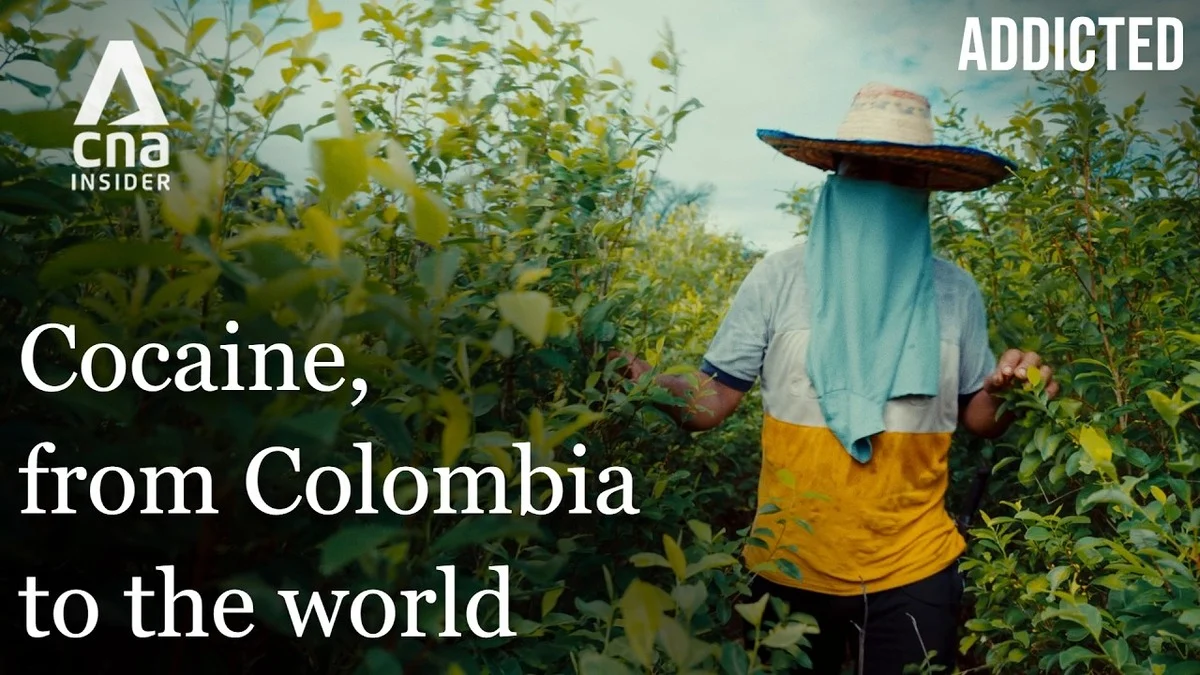
Across Colombia, Belgium, Sweden, the Netherlands, Portugal, and the United States, cocaine and synthetic opioids are reshaping communities in very different ways. This investigation follows coca production, international trafficking, youth recruitment, gang violence, drug markets, fentanyl, and xylazine while examining how organized crime and addiction intersect. Through law enforcement, community organizations, people with lived experience, and public health workers, the episode connects the global cocaine trade with European gang networks and the overdose crisis in North America, as well as prevention, treatment, and harm-reduction efforts.
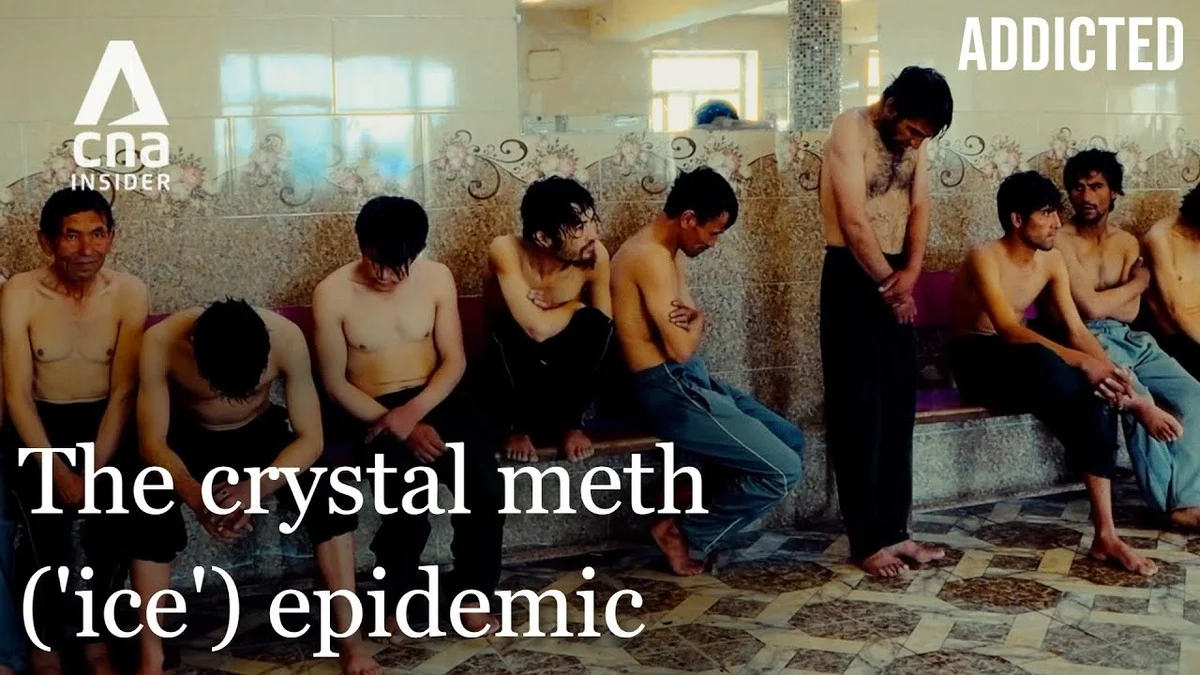
Across Pakistan, Thailand, Canada, and Australia, methamphetamine production, trafficking, addiction, and recovery take very different forms. This investigation follows police raids, rehabilitation programs, border patrols, drug-destruction operations, clandestine laboratories, and wastewater monitoring while tracing the networks that move synthetic drugs across borders. It also examines the role of Myanmar's expanding meth trade, the challenges facing people seeking treatment, and the impact of high-potency drugs on communities. Through law enforcement, experts, treatment workers, and people affected by addiction, the episode reveals the global reach of synthetic drugs.
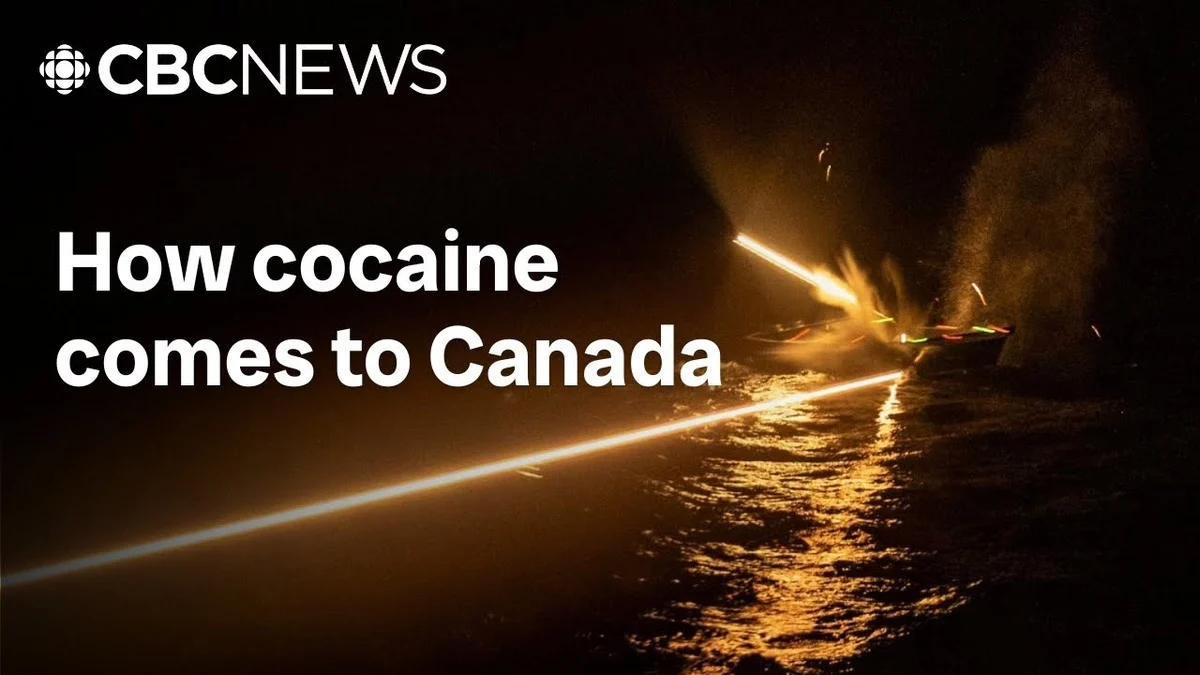
Rising cocaine production and increasingly pure cocaine are affecting communities thousands of kilometres from where the drug originates. This investigation follows the cocaine trade from Colombia to Canada, documenting law enforcement efforts to intercept international shipments before travelling to Sheshatshiu Innu First Nation in Labrador, where residents are confronting addiction and drug-related deaths. Through interviews with police, community members, people in recovery, and treatment workers, the report connects organized crime and international drug trafficking with the public health consequences experienced by one remote First Nations community.
Thailand's 2003 war on drugs unleashed a violent crackdown on suspected drug users and dealers as authorities faced intense pressure to meet government targets. This investigation follows police, local officials, journalists, and community members as blacklists, arrests, and killings spread across the country. While the government blamed much of the violence on drug traffickers silencing informants, critics raised concerns about extrajudicial killings and innocent people being caught in the campaign. The film examines the fear, stigma, and human cost of an enforcement strategy intended to suppress Thailand's growing yaba crisis.
TOPICS: Crime, Drug Trafficking, Law Enforcement, Methamphetamine, Stigma, Stimulants, Thailand, Yaba
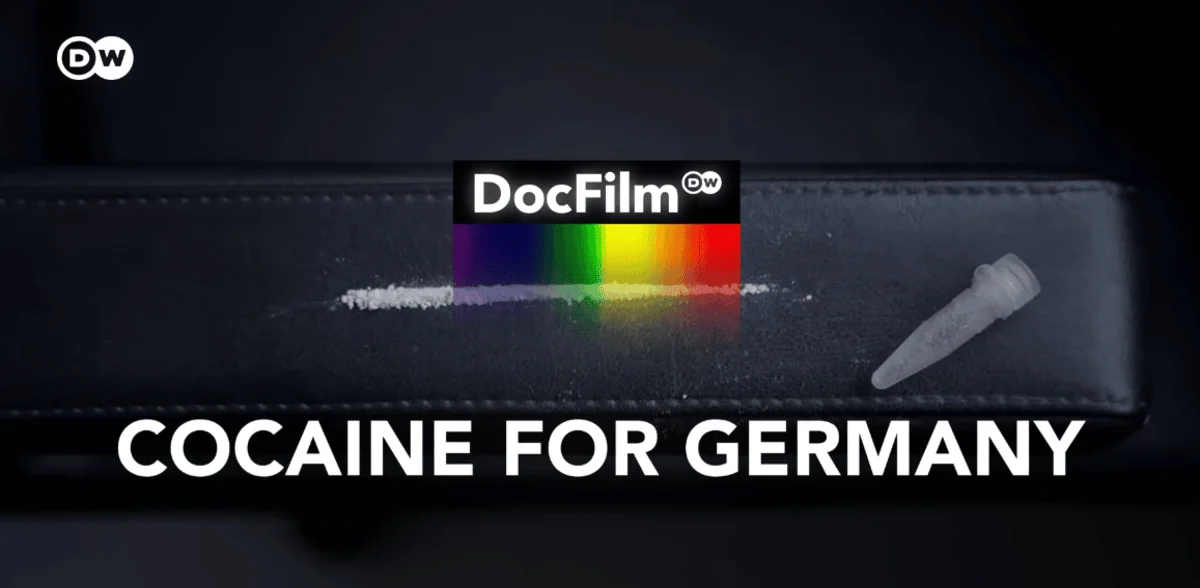
Germany has become an important destination in Europe's growing cocaine market, with international trafficking networks using ports and emerging smuggling routes to move enormous quantities of the drug across borders. From a record-breaking 16-ton seizure at the Port of Hamburg to new routes through Kenya, this documentary follows cocaine's journey from South America to dealers and consumers in Europe. Through law enforcement, experts, and personal stories, it explores the profits, violence, enforcement challenges, and economic conditions driving an increasingly globalized cocaine trade.
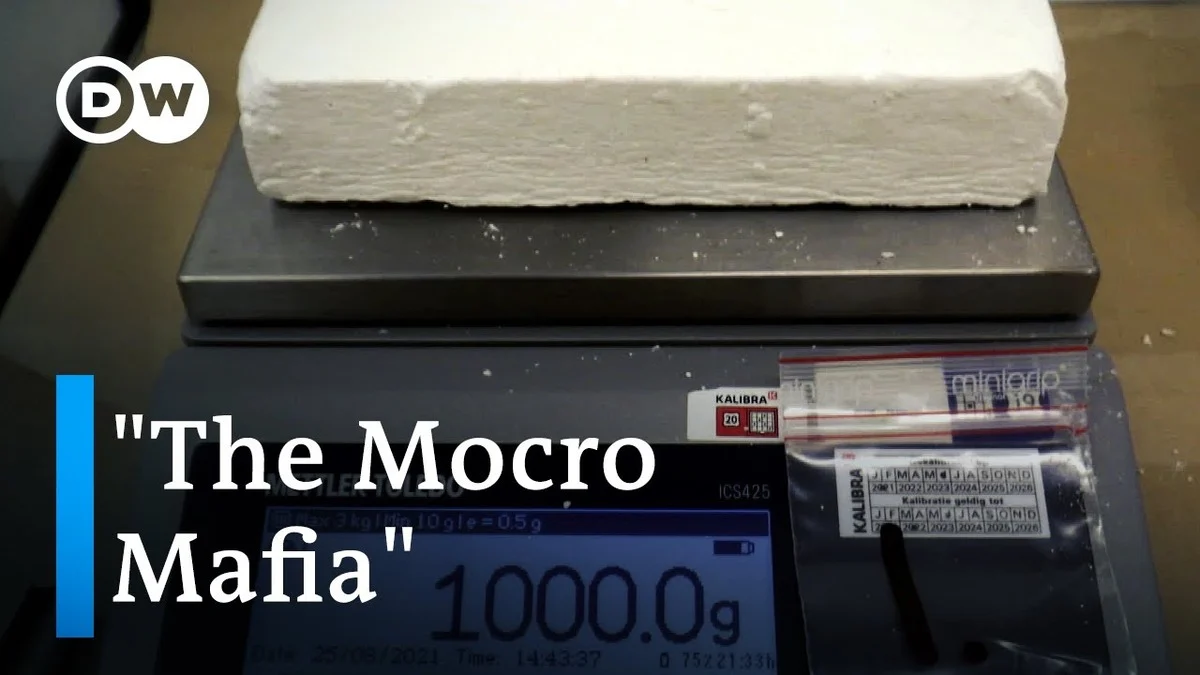
The Netherlands has become a major hub in Europe's cocaine trade, with criminal networks using ports such as Rotterdam and Antwerp to move enormous quantities of drugs into the continent. This documentary investigates the groups commonly associated with the Mocro Mafia and the violence, corruption, and intimidation surrounding the lucrative cocaine trade. Through investigators, journalists, and law enforcement officials, it examines port security, drug seizures, organized crime, and the Marengo trial involving Ridouan Taghi, revealing how trafficking networks have extended their influence deep into Dutch society.
TOPICS: Cocaine, Crime, Drug Trafficking, Law Enforcement, Netherlands
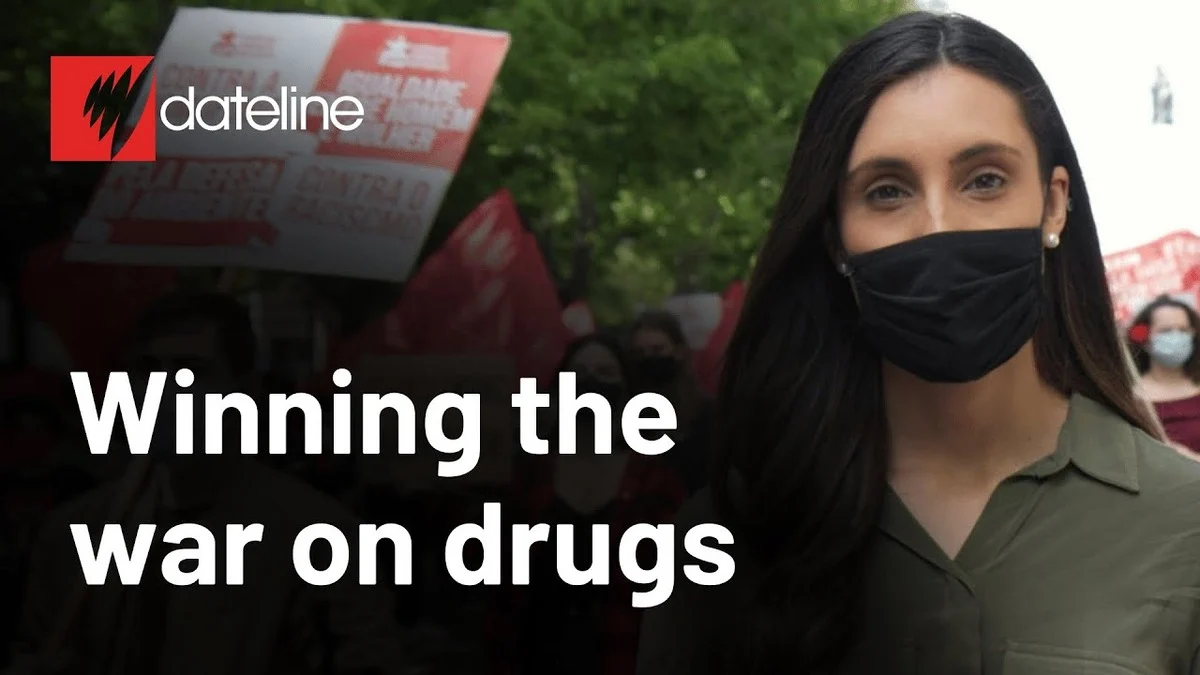
In 2001, Portugal transformed its approach to drugs by decriminalizing possession of small amounts for personal use and shifting its focus toward health, treatment, and harm reduction. Two decades later, SBS Dateline travels to Lisbon to examine how the policy works in practice and what impact it has had on addiction, overdose deaths, and people who use drugs. Through policymakers, frontline workers, and personal stories, the investigation explores Portugal's progress, the problems that remain, and whether countries such as Australia could learn from its approach to drug policy.
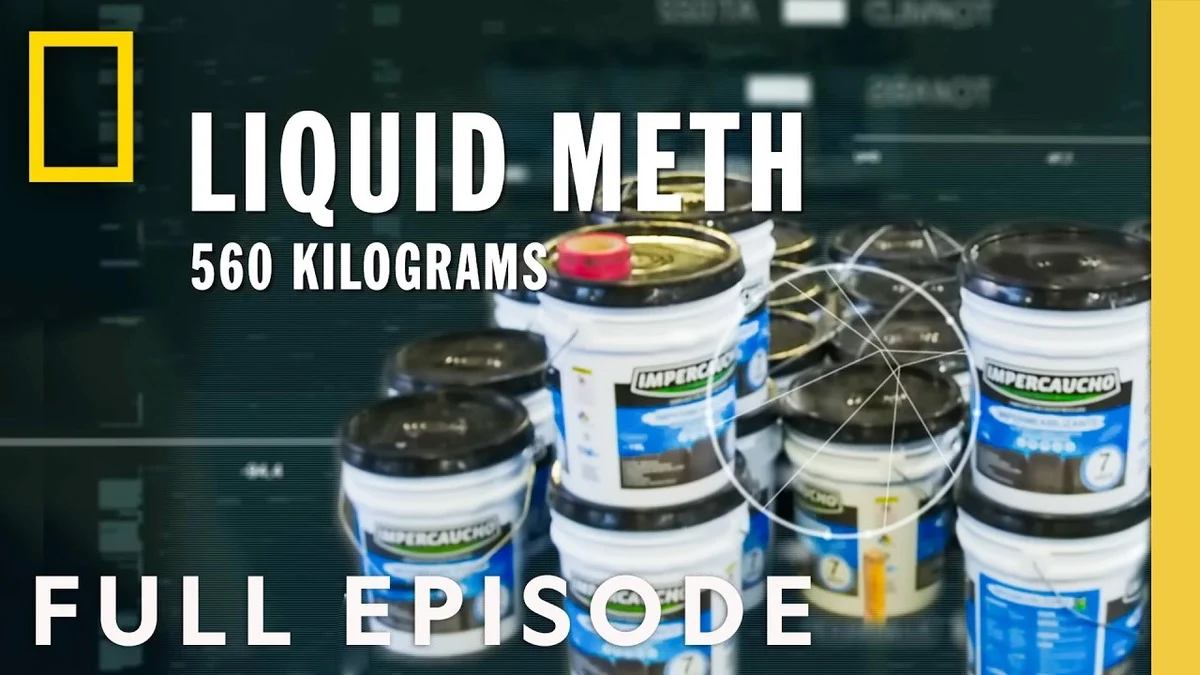
Homeland Security Investigations and Customs and Border Protection track major drug smuggling operations entering the United States in this episode of To Catch a Smuggler. Investigators follow methamphetamine shipments through Atlanta and uncover 560 kilograms of liquid meth concealed inside paint buckets, while officers intercept large quantities of MDMA hidden in international parcels. Along the way, agents explain how trafficking organizations move drugs across borders, recruit lower-level couriers, conceal narcotics in everyday shipments, and build investigations designed to identify higher-ranking members of criminal networks.
TOPICS: Crime, Drug Trafficking, Ecstasy / MDMA, Law Enforcement, Methamphetamine, Stimulants, USA
SBS Dateline travels to Thailand to examine a changing war on drugs as the country confronts widespread yaba use, methamphetamine trafficking, prison overcrowding, and decades of punitive drug policies. Filmed during Thailand's historic move to decriminalize cannabis, the investigation follows anti-trafficking units, social workers, formerly incarcerated people, and communities affected by drug use. It also travels to the Golden Triangle, where instability in neighbouring Myanmar and the growth of synthetic drug production have transformed regional trafficking and contributed to an enormous supply of cheap methamphetamine flowing into Thailand.
Australians are among the world's biggest consumers of ecstasy, but where does MDMA actually come from? This investigation follows the drug from clandestine laboratories and chemical suppliers to international trafficking networks and the people who consume it. Travelling from Australia to the Netherlands, reporters examine MDMA production, precursor chemicals, the dark web, and the criminal networks supplying the global market. The investigation also explores Dutch drug policy and harm reduction, revealing a very different approach to drug education while examining the risks surrounding one of the world's most popular party drugs.