Ibn Sina: One of Kabul’s Largest Drug Rehabilitation Centres
Introduction
Afghanistan continues to face one of the most severe addiction crises in the world, with millions affected and limited resources to respond. Since the Taliban's return to power in 2021, the withdrawal of international aid has placed even greater pressure on an already fragile healthcare system, leaving rehabilitation centres struggling to operate while strict anti-drug policies are enforced.
The documentary follows Babrak, a former mujahideen fighter who now works to help others detox alongside a small and under-resourced medical team. Despite overwhelming challenges, their work offers a rare look at both the human impact of addiction and the difficult path toward recovery in a system under strain.
Additional Resources:
Share This Resource!
Share This Resource!
Quotes
"I think Afghanistan is cursed. Every day, more and more people are becoming addicts because of the country's collapsed economy. I know what I'm talking about. I used to be an addict myself. Every day, the number of addicts is growing and there's no solution in sight."
"When you bring them in, one thing they hate is water. They'll avoid going under the water. With the help of the volunteers and hospital staff, we'll make them wash. The people we bring from outside are completely destitute. They can't wash themselves; they only consume drugs. There are no facilities out there to take a shower and to stay clean."
"I have four children, two sons and two daughters. They're with their mother at home. My two older brothers are paying for my family's expenses. I was going around the city pickpocketing people finding money for my addiction, taking drugs and sleeping anywhere I lay down. When I cross the road, even the children shout powder addict. That's not a good life."
"When you stop using, you forget everything. It's like the beam of a torch in the dark, you only focus on one thing, the drug. If you quit, you can't control your nostrils, you can't control your tears. Your whole body stops functioning."
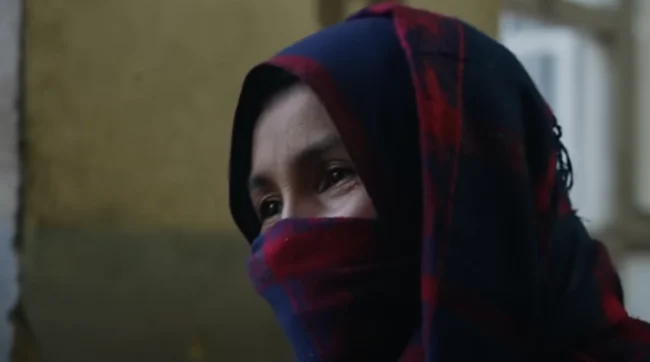
"I have four children. I was always afraid that he'd hit the children and hurt them. If he didn't have drugs and came home, the children and I would leave the house … He didn't care about our children or our family. All he thought about were drugs and the money to buy drugs. If he was here, he'd be of no use to us … He'd be like a dead body."
"Back then, financial problems led you to drugs. They were the only way to forget your problems for a while. But at some point, the relief turned into addiction. Five years ago, when I couldn't take it anymore, I decided to quit. Little by little, my family … turned away from me because I was no longer trustworthy. It's difficult. Even I find it hard nowadays to trust an addict. When I finally managed to quit the drugs, I started to help others to free themselves from drug addiction. Not only Afghans, but I'd help all those who live in Afghanistan and are drug addicts. I would honestly help as a human being."
"International aid has been significantly reduced since the Taliban takeover. The Ibn Sina hospital struggles to stay open and only a handful of medical staff continue to work there. Addicts have to suffer withdrawal without medication."1,2
"There are a growing number of addicts in rural areas and in the north and I've seen more women addicted to opium as well, but I don't know the exact numbers that the world community or the UN have estimated."3
"There isn't enough to provide for them. We bring them everything we can so that they can eat. If the world community cuts off the money supply to Afghanistan, they will be the first to suffer."
1 Afghanistan's healthcare system has faced severe strain since 2021, with hospitals and clinics reporting shortages of funding, staff, and medical supplies.
2 Reports from Afghanistan describe addicts being forcibly detained and undergoing withdrawal in overcrowded facilities without access to standard medical treatments such as methadone or counseling typically used in opioid withdrawal management.
3 Recent UNODC assessments indicate widespread drug use across Afghanistan, including in rural and northern regions, with documented high-risk use among women and children and a significant concentration of use in public drug-use hotspots.
Continue Learning
Explore the topics covered in this resource with the links below. Whether you're looking for a quick overview, an in-depth article, or another video, these resources can help deepen your understanding. If there's a topic you'd like to see covered or you're looking for something specific, feel free to contact me.



Share Your Review
Your perspective matters. By sharing your honest thoughts, you can help others understand what this resource is really like beyond a simple summary. Whether it resonated with you, challenged your thinking, or wasn't what you expected, your feedback helps build a more useful and transparent collection of addiction and mental health resources.
Your perspective matters and helps improve this collection of addiction and mental health resources.
There are no reviews yet. Be the first one to write one.