Across Colombia, Belgium, Sweden, the Netherlands, Portugal, and the United States, cocaine and synthetic opioids are reshaping communities in very different ways. This investigation follows coca production, international trafficking, youth recruitment, gang violence, drug markets, fentanyl, and xylazine while examining how organized crime and addiction intersect. Through law enforcement, community organizations, people with lived experience, and public health workers, the episode connects the global cocaine trade with European gang networks and the overdose crisis in North America, as well as prevention, treatment, and harm-reduction efforts.
This documentary examines Afghanistan's addiction crisis and the challenges people seeking recovery face inside a former U.S. military base that was converted into a large drug rehabilitation centre in Kabul. Independent reporter Akshay documents severe shortages of medication, staff, and resources while speaking with patients and those working to support them. The film also follows Babrak, a former mujahideen fighter and recovering addict, while exploring how decades of war, poverty, unemployment, and drug availability have shaped substance use and treatment in Afghanistan.
TOPICS: Afghanistan, Heroin, Homelessness, Opioids, Poverty, Prevention & Treatment, Public Health
Vancouver police officers turn their cameras toward the Downtown Eastside, documenting the lives of people experiencing addiction, homelessness, poverty, and severe social marginalization. Through repeated encounters and personal stories, the film follows individuals living on the streets while showing how officers’ attitudes begin to shift as they learn more about the people behind the addiction. Originally created in part as a drug-awareness project for youth, the documentary offers a stark look at substance use, stigma, survival, and the human consequences of life in one of Vancouver’s most vulnerable communities.
TOPICS: Canada, Homelessness, Law Enforcement, Personal Stories, Poverty, Public Health
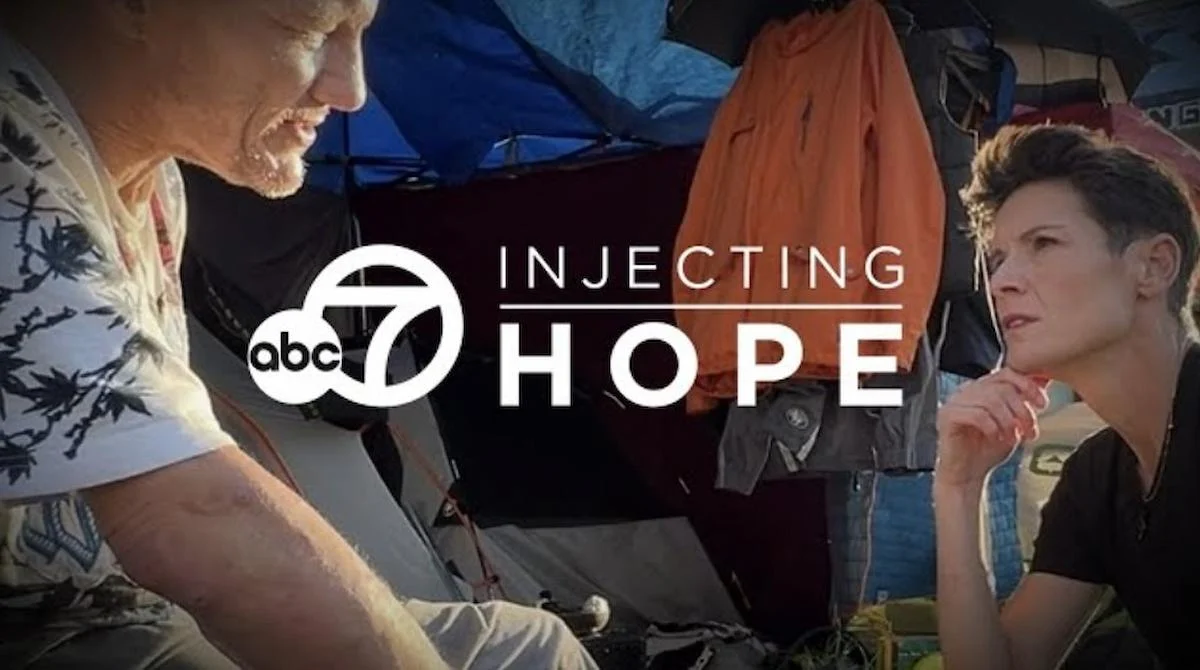
What can the United States learn from Canada’s approach to the overdose crisis? ABC7 News reporter Tara Campbell travels to British Columbia to examine harm reduction and the services designed to keep people who use drugs alive and connected to care. Through personal stories and expert perspectives, the documentary explores supervised consumption, fentanyl, homelessness, trauma, stigma, and barriers to treatment. It also looks inside Insite, North America’s first legally sanctioned supervised consumption site, while examining the broader debate over whether similar approaches could help communities struggling with overdose in the United States.
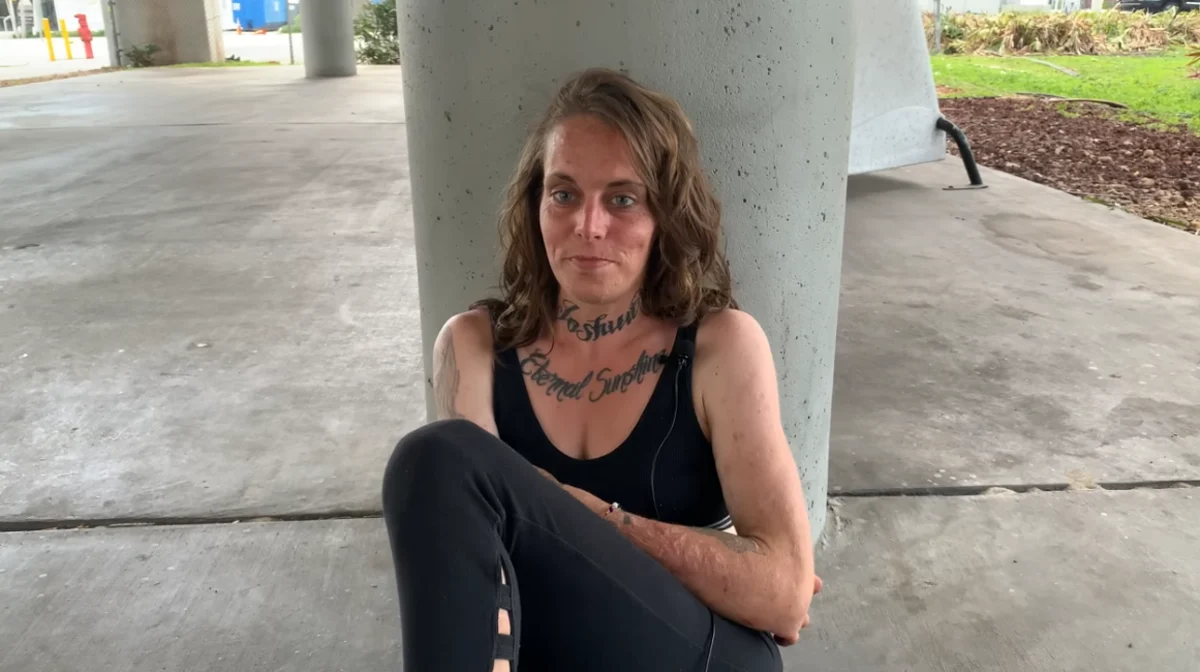
Ariel shares her addiction story, reflecting on the childhood abuse, trauma, homelessness, and instability that shaped her life and substance use. She speaks openly about methamphetamine, heroin, fentanyl, and crack cocaine, as well as the role drugs played in numbing painful experiences from her past. Follow-up interviews and updates over the next several years show Ariel continuing to struggle with addiction despite periods of treatment and attempts at recovery. Her story offers an honest look at the long and complicated nature of addiction, relapse, trauma, and the hope for change.
This documentary examines the homelessness crisis in Los Angeles, exploring the complex social, economic, and public health factors that have contributed to one of the largest unhoused populations in the United States. Through interviews with experts, outreach workers, policymakers, and people experiencing homelessness, it examines the challenges of housing affordability, mental illness, addiction, and systemic barriers to recovery. The film also explores current approaches to addressing the crisis, highlighting both the progress made and the difficult questions that continue to shape the city's response.
TOPICS: Homelessness, Personal Stories, Poverty, Public Health, Stigma, USA
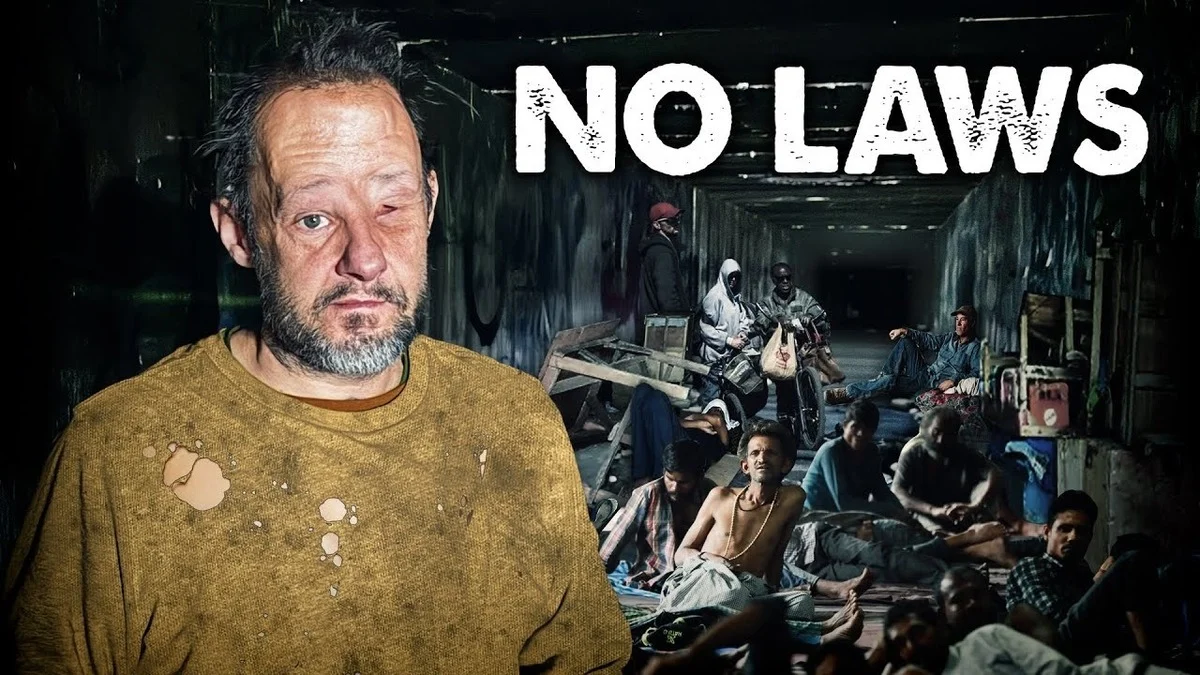
This documentary explores the hidden community living in the storm drain tunnels beneath Las Vegas, where hundreds of people experiencing homelessness struggle with addiction, poverty, and the daily challenges of surviving off the grid. Guided by a former tunnel resident who now works in outreach, Drew Binsky meets the people who call the tunnels home and hears their stories firsthand. Along the way, the film highlights the work of a local nonprofit helping residents access housing, treatment, and support as they work toward rebuilding their lives.
TOPICS: Homelessness, Non-Profits, Personal Stories, Poverty, Public Health, Stigma, USA
This documentary examines the addiction and homelessness crisis in Seattle, where rising rates of substance use, visible homelessness, crime, and public disorder have fueled growing concern throughout the community. Through interviews with people living with addiction, business owners, law enforcement, healthcare professionals, and local residents, it explores competing perspectives on what has driven the crisis and how it should be addressed. The film also examines treatment options, public policy, and the challenges of balancing compassion, accountability, and public safety.
This documentary follows homeless children living on the streets of Nairobi, Kenya, where poverty, neglect, and inhalant addiction have created a devastating humanitarian crisis. Relying on glue and other toxic inhalants to escape hunger and hardship, many spend their days in a drug-induced haze while struggling to survive in makeshift camps surrounded by violence, disease, and despair. Through their stories, the film reveals the human cost of addiction and the desperate circumstances that leave thousands of vulnerable children with few opportunities to escape life on the streets.
TOPICS: Homelessness, Inhalant Use Disorder, Inhalants, Poverty, Youth
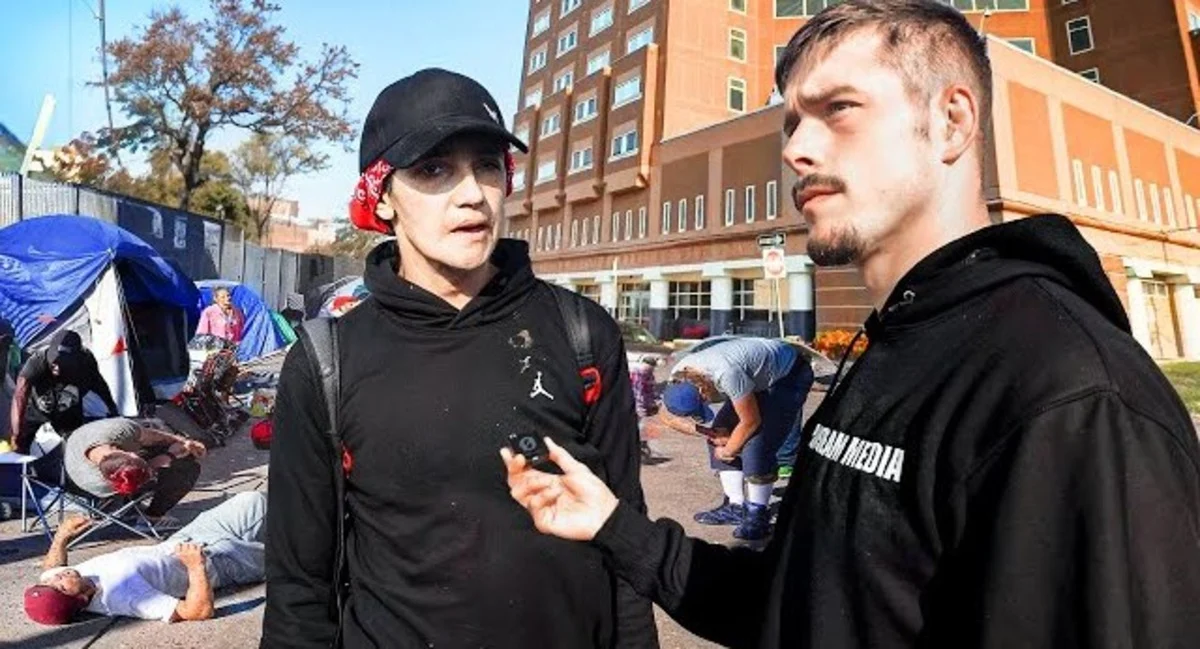
This documentary explores Boston's Methadone Mile, an area where addiction treatment services exist alongside homelessness, open drug use, and illicit drug markets. Through interviews with healthcare professionals, people living with addiction, individuals in recovery, and street-level dealers, it examines the challenges of recovery in an environment where support and relapse triggers often coexist. The film also explores the policies and circumstances that contributed to the area's development and the ongoing efforts to address the crisis.