Bryan's HOPE: Heroin & Opiate Prevention & Education
Introduction
Bryan’s HOPE was founded by Jeannie Richards after she lost her son Bryan to a heroin overdose. Richards hoped to raise awareness and enough money to purchase naloxone kits for people at risk of overdose and the Oakland County Sheriff’s Office. Unfortunately, she was diagnosed with stage 4 pancreatic cancer and passed away in 2019. Today, it appears that Bryan’s HOPE is no longer active.
However, the messages shared in this documentary still stand. You’ll hear from Richards herself, along with other parents and family members who have lost loved ones to heroin and other opioids. People in recovery share their own experiences with addiction, while professionals working in the field offer insight into treatment and the wider opioid epidemic.
There is nothing flashy about this documentary—just people speaking honestly about what they’ve lived through. Together, their stories offer different perspectives on the opioid crisis, the addictive potential of prescription medications, the progression from pills to heroin, and what it takes to find a way out.
Share This Resource!
Share This Resource!
Quotes
"This is not an inner-city disease. This is not a disease of the brain that is associated with any one socio-economic class. This disease affects everybody equally and if you have the correct chemical imbalance in your brain and you are exposed to that drug, you have set up to become addicted to whatever drug you're abusing."
"We have a tremendous epidemic in our community right now and if you look at the statistics, 2% of high school students are addicted to opiates and then carry that on into adulthood. We got 2-5% of adults addicted to opiates and the major opiates that are being abused in the area are not illicit drugs, it's not heroin - it's prescription medication."1
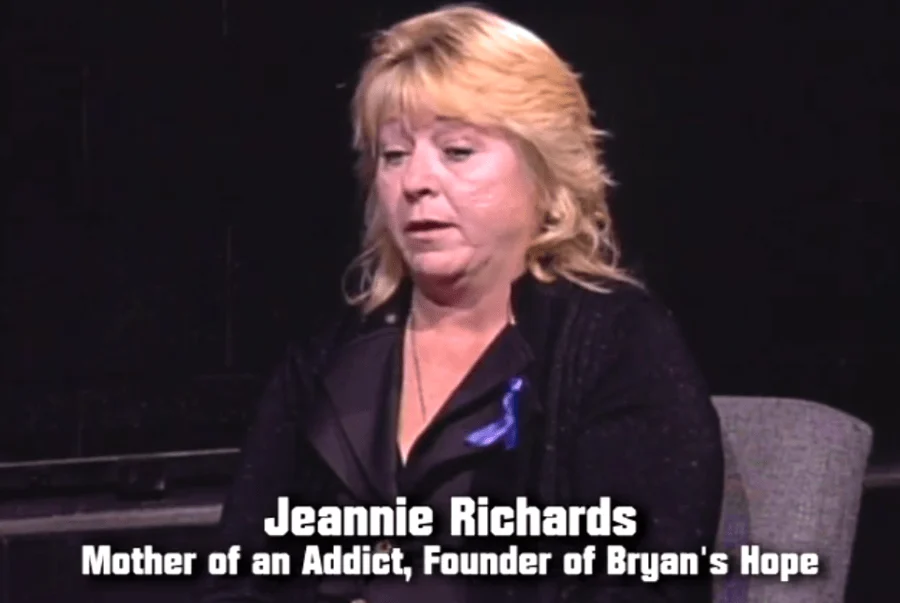
"In 1995, a lot of things changed in our society. I refer to it as the perfect storm. Congress went ahead and made it permissible for pharmaceutical companies to begin advertising, and so that was when we started to see the constant, there's a pill for everything. That really began to shift our societal norms. It made it okay to take a pill, and you get those pills from your doctor who's supposed to be a trusted individual as well."2
"We also began to see that there was some mismarketing. Purdue pharmaceuticals actually marketed one of the first big prescription pain drugs, OxyContin, which also came out around 1995 as non-addictive. So, everyone was led to believe that it was okay to use Oxycontin."3
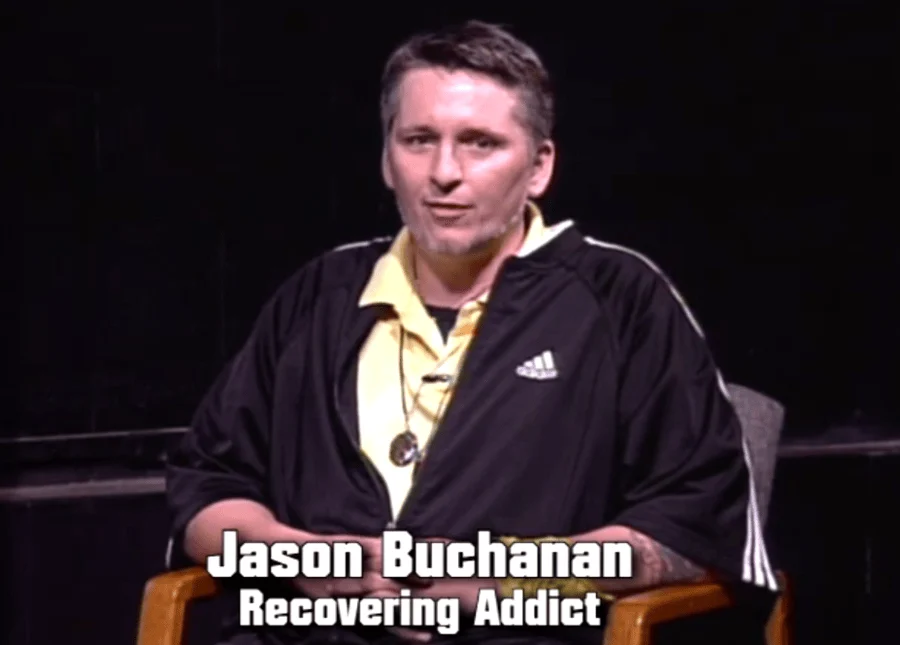
"When you start using here's the first thing that happens: you compromise who and what you are to to get more of what you want … you stigmatized yourself."
"It brought me down, weakened me for a long time. But I think at this point now I'm a stronger person than I was before and I have a greater appreciation for life and a greater understanding of how powerful addiction is."
"When we put the patient into treatment, we start the patient on either Suboxone or methadone, which totally eliminates the withdrawal symptom ontology and the craving. We simultaneously place the patient into intensive counselling which entails individual cognitive behavioural therapy and group therapy."
"As hard as you chase the dope, you have to chase your recovery harder. If it doesn't come first everything else will fall apart."
1 CDC surveillance data on U.S. high school students show that prescription opioid misuse is a documented form of substance use among adolescents, reflecting broader patterns of opioid involvement beyond illicit drugs such as heroin.
2 While the documentary references 1995, direct-to-consumer pharmaceutical advertising expanded more significantly after FDA guideline changes in 1997, which made TV advertising more accessible.
3 OxyContin was approved in 1995 and widely promoted with claims that it carried a low risk of addiction. Federal investigations later found that these marketing claims were misleading, resulting in significant legal settlements and guilty pleas from Purdue Pharma executives.
Continue Learning
Explore the topics covered in this resource with the links below. Whether you're looking for a quick overview, an in-depth article, or another video, these resources can help deepen your understanding. If there's a topic you'd like to see covered or you're looking for something specific, feel free to contact me.
Explore the topics covered in this resource with the links below. If you're looking for something specific or have a suggestion, feel free to contact me.


Share Your Review
Your perspective matters. By sharing your honest thoughts, you can help others understand what this resource is really like beyond a simple summary. Whether it resonated with you, challenged your thinking, or wasn't what you expected, your feedback helps build a more useful and transparent collection of addiction and mental health resources.
Your perspective matters and helps improve this collection of addiction and mental health resources.
There are no reviews yet. Be the first one to write one.