Prescription opioid dependence can affect people of all ages and backgrounds, including those who first encounter opioids through legitimate pain treatment. Focusing on communities in Ontario, this documentary combines personal experiences with perspectives from healthcare professionals, treatment providers, and community leaders. It examines opioid withdrawal, stigma, harm reduction, methadone treatment, counselling, and other approaches to recovery while exploring the challenges of balancing pain management with the risks of prescription opioids and responding to addiction as a public health issue.
What can the United States learn from Canada’s approach to the overdose crisis? ABC7 News reporter Tara Campbell travels to British Columbia to examine harm reduction and the services designed to keep people who use drugs alive and connected to care. Through personal stories and expert perspectives, the documentary explores supervised consumption, fentanyl, homelessness, trauma, stigma, and barriers to treatment. It also looks inside Insite, North America’s first legally sanctioned supervised consumption site, while examining the broader debate over whether similar approaches could help communities struggling with overdose in the United States.
What happens inside the brain when occasional drug use becomes addiction? Experts use neuroscience, brain imaging, and personal stories to explain how opioids affect dopamine, cravings, withdrawal, decision-making, and the brain’s reward system. The film also explores the roles of genetics, family history, and childhood trauma in addiction risk, while examining approaches to treatment and harm reduction, including methadone, buprenorphine, naloxone, and supervised consumption sites. Alongside the science are stories of recovery that show why addiction is increasingly understood as a treatable medical condition rather than a moral failing.
Real stories of heroin addiction, overdose, grief, and recovery reveal the devastating impact of the opioid crisis on individuals and families. Parents who have lost children share their experiences alongside people in recovery and professionals working in addiction treatment. Their stories explore the powerful effects of prescription opioids, the progression from painkillers to heroin, and the realities of treatment and long-term recovery. At the center is a mother who turned the loss of her son into an effort to raise awareness and help prevent other families from experiencing the same tragedy.
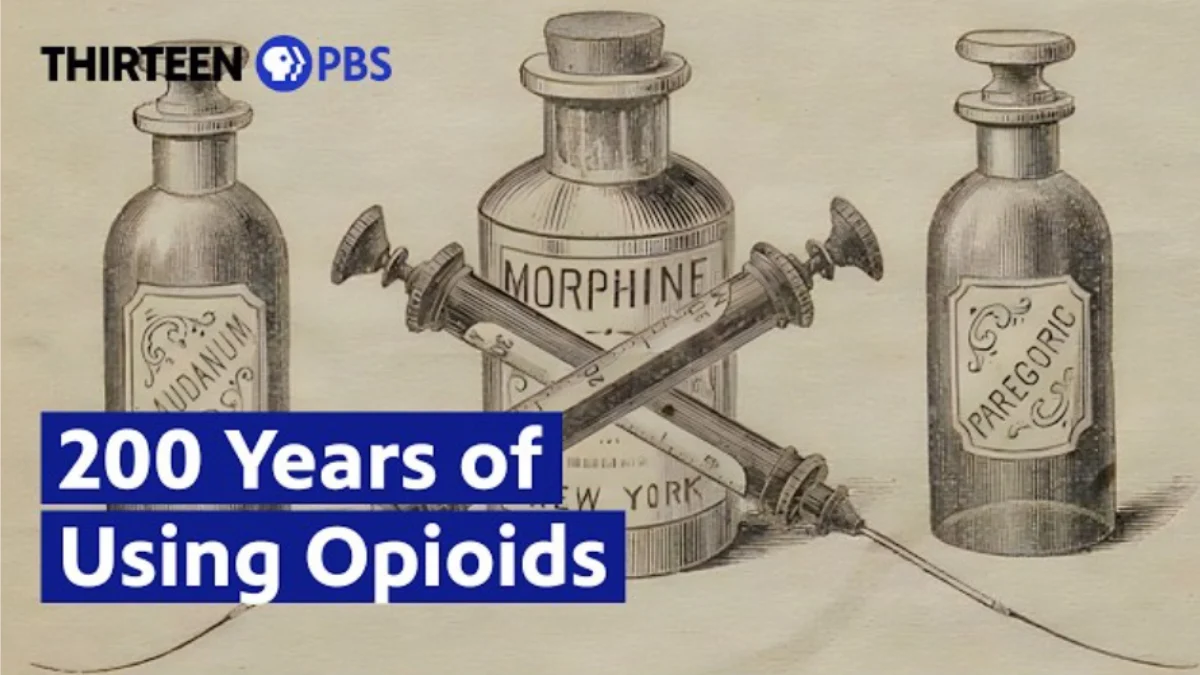
This documentary traces New York City's opioid drug history from the late 1800s to the present day, exploring how changing attitudes toward opioids have shaped addiction, medical treatment, public policy, and criminalization over generations. Through historical accounts, expert interviews, and personal stories, journalist Christopher Booker examines the recurring patterns that have defined each wave of the opioid crisis, culminating in today's unprecedented fentanyl epidemic.
This documentary explores the fentanyl crisis in Alberta, Canada, through the experiences of people living with addiction, healthcare professionals, law enforcement, and families affected by the opioid epidemic. At its centre is one young man whose repeated attempts to access treatment reveal the barriers many people face when they are ready to seek help. Alongside his story, the film examines the growing impact of illicit fentanyl, the devastating consequences of the overdose crisis, and the ongoing efforts to support recovery across one of Canada's hardest-hit regions.
This documentary examines the addiction and homelessness crisis in Seattle, where rising rates of substance use, visible homelessness, crime, and public disorder have fueled growing concern throughout the community. Through interviews with people living with addiction, business owners, law enforcement, healthcare professionals, and local residents, it explores competing perspectives on what has driven the crisis and how it should be addressed. The film also examines treatment options, public policy, and the challenges of balancing compassion, accountability, and public safety.
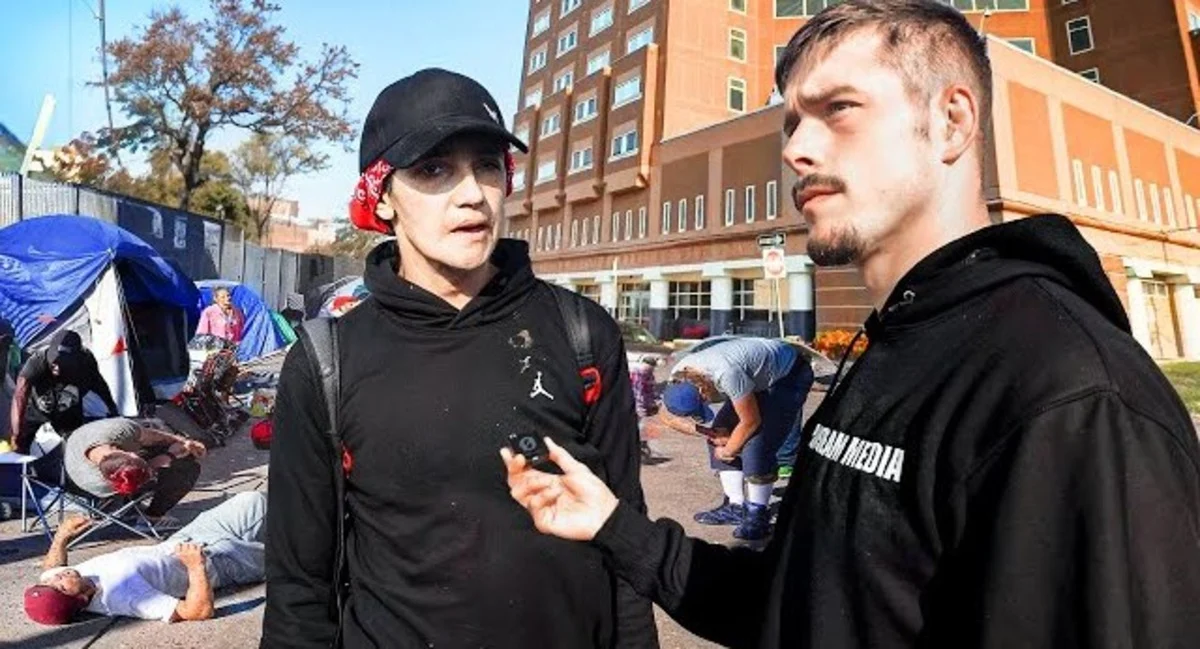
This documentary explores Boston's Methadone Mile, an area where addiction treatment services exist alongside homelessness, open drug use, and illicit drug markets. Through interviews with healthcare professionals, people living with addiction, individuals in recovery, and street-level dealers, it examines the challenges of recovery in an environment where support and relapse triggers often coexist. The film also explores the policies and circumstances that contributed to the area's development and the ongoing efforts to address the crisis.