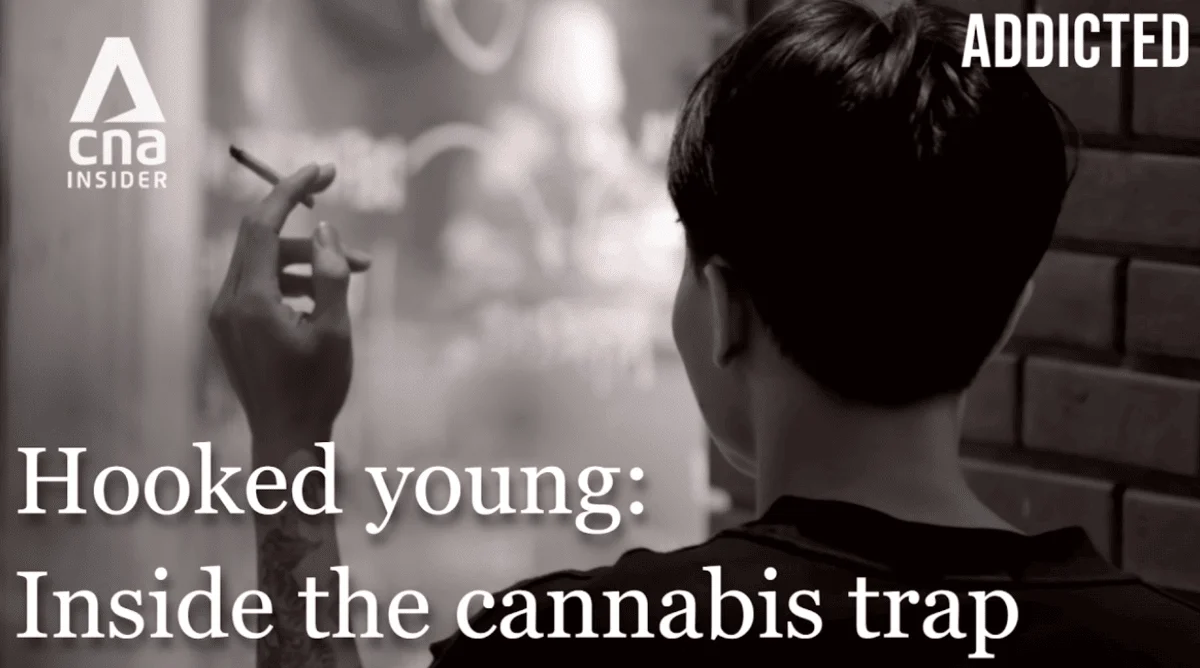
Young people's changing attitudes toward cannabis are creating new challenges for prevention and public health in Singapore. This investigation examines cannabis use, addiction risk, social media, drug trafficking, and the influence of changing policies in nearby Thailand. Through healthcare professionals, researchers, law enforcement, counsellors, community organizations, and people with lived experience, the episode explores Singapore's strict approach to drugs alongside prevention, recovery, and youth outreach efforts. It also examines concerns surrounding cannabis commercialization and how shifting perceptions of the drug may influence younger generations.
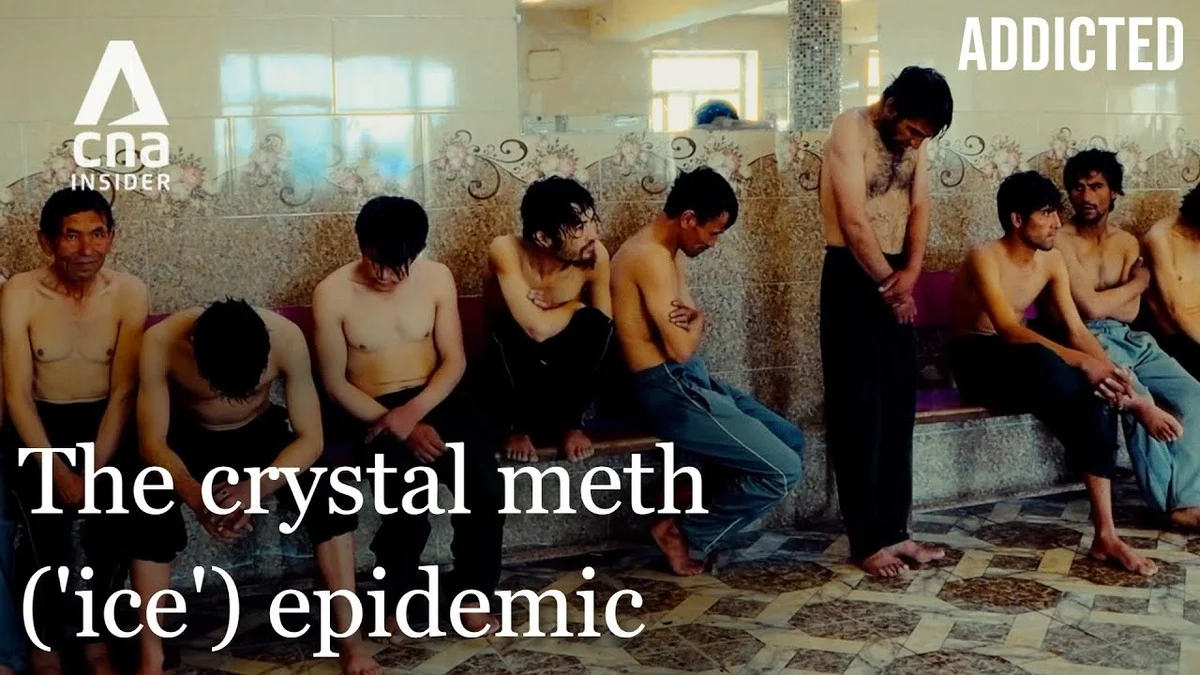
Across Pakistan, Thailand, Canada, and Australia, methamphetamine production, trafficking, addiction, and recovery take very different forms. This investigation follows police raids, rehabilitation programs, border patrols, drug-destruction operations, clandestine laboratories, and wastewater monitoring while tracing the networks that move synthetic drugs across borders. It also examines the role of Myanmar's expanding meth trade, the challenges facing people seeking treatment, and the impact of high-potency drugs on communities. Through law enforcement, experts, treatment workers, and people affected by addiction, the episode reveals the global reach of synthetic drugs.
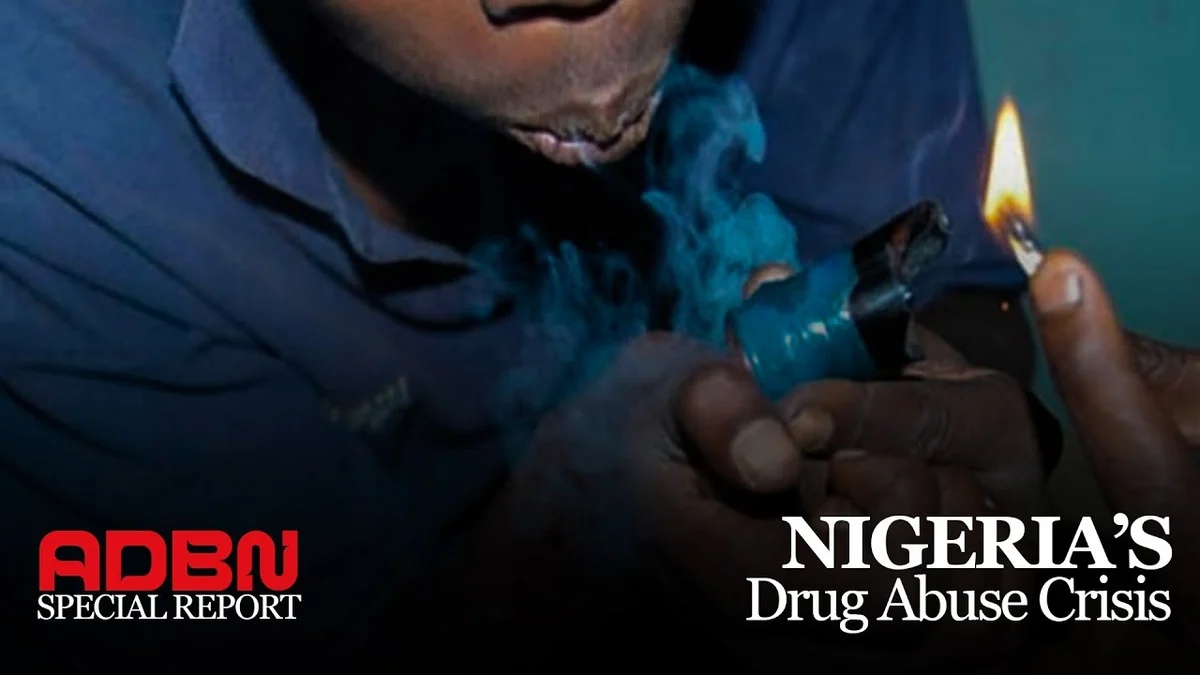
Nigeria faces significant challenges related to substance use, with poverty, unemployment, mental health, and limited access to support contributing to drug-related harm across the country. Through firsthand accounts and perspectives from psychiatrists, sociologists, traditional leaders, public health experts, and officials with the National Drug Law Enforcement Agency, this documentary examines the causes and consequences of drug use in Nigeria. It also explores prevention, treatment, community initiatives, and the need for coordinated efforts to address addiction and support individuals, families, and communities affected by substance use.
TOPICS: Nigeria, Poverty, Prevention & Treatment, Public Health, Socioeconomics
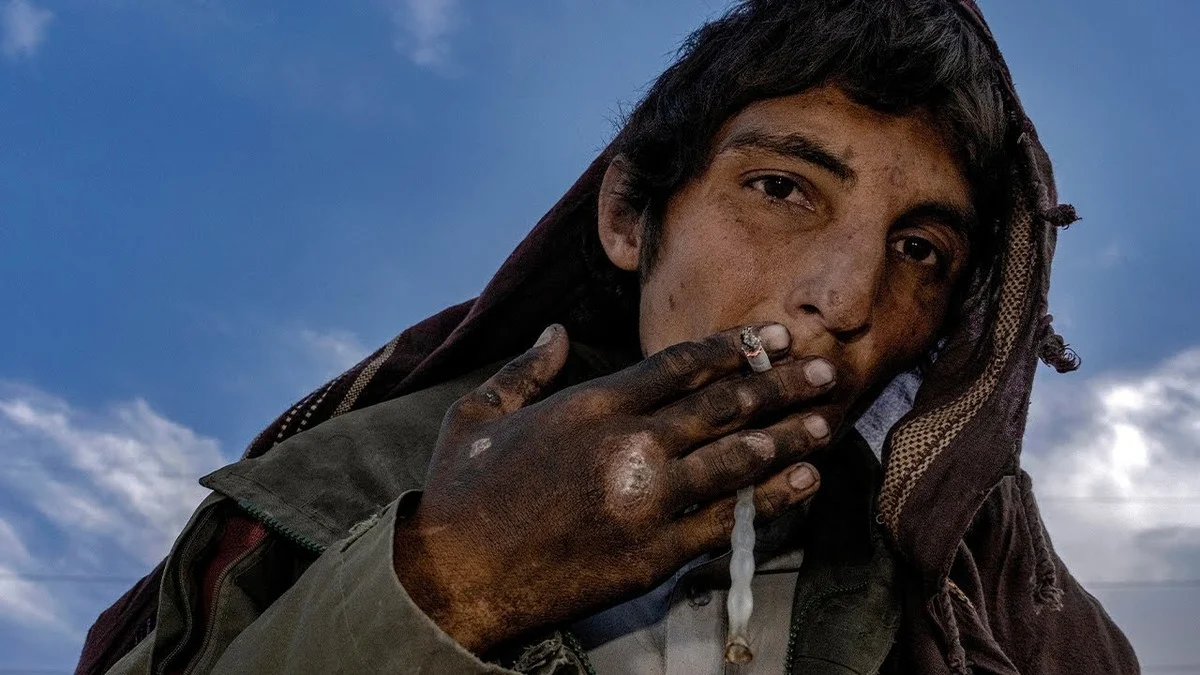
This documentary examines Afghanistan's addiction crisis and the challenges people seeking recovery face inside a former U.S. military base that was converted into a large drug rehabilitation centre in Kabul. Independent reporter Akshay documents severe shortages of medication, staff, and resources while speaking with patients and those working to support them. The film also follows Babrak, a former mujahideen fighter and recovering addict, while exploring how decades of war, poverty, unemployment, and drug availability have shaped substance use and treatment in Afghanistan.
TOPICS: Afghanistan, Heroin, Homelessness, Opioids, Poverty, Prevention & Treatment, Public Health
After losing their sons to drug overdoses, two Orange County mothers set out to educate young people about prescription drugs, addiction, and overdose. Through firsthand accounts from grieving parents, young people affected by addiction, and addiction professionals, this documentary explores how experimentation can develop into devastating substance use problems. Created as a prevention tool for young audiences and families, it challenges assumptions about who can develop an addiction while emphasizing the consequences of drug use, the warning signs families should recognize, and the importance of honest conversations.
As prescription drug misuse grew across Tennessee, communities began confronting doctor shopping, medication diversion, overdose, and increasing access to controlled substances. This documentary examines an early response to what would later become a nationwide opioid crisis, bringing together perspectives from law enforcement, healthcare professionals, pharmacists, coalition leaders, and people directly affected. It explores prescription monitoring, youth prevention, community partnerships, and the challenges of distinguishing legitimate pain treatment from problematic drug use while capturing the warning signs of a rapidly developing public health crisis.
Prescription opioid dependence can affect people of all ages and backgrounds, including those who first encounter opioids through legitimate pain treatment. Focusing on communities in Ontario, this documentary combines personal experiences with perspectives from healthcare professionals, treatment providers, and community leaders. It examines opioid withdrawal, stigma, harm reduction, methadone treatment, counselling, and other approaches to recovery while exploring the challenges of balancing pain management with the risks of prescription opioids and responding to addiction as a public health issue.
Fentanyl has transformed Ontario’s opioid crisis, affecting people who use drugs, families, healthcare workers, law enforcement, and communities across the province. This three-part series combines personal stories with expert perspectives to examine fentanyl, prescription opioid addiction, overdose, and the challenges people face when seeking treatment. It also explores harm reduction, public education, law-enforcement responses, and efforts to prevent further deaths. Along the way, people directly affected by addiction share their experiences, showing why understanding the crisis requires looking beyond the drug itself to the people and circumstances behind it.
What happens inside the brain when occasional drug use becomes addiction? Experts use neuroscience, brain imaging, and personal stories to explain how opioids affect dopamine, cravings, withdrawal, decision-making, and the brain’s reward system. The film also explores the roles of genetics, family history, and childhood trauma in addiction risk, while examining approaches to treatment and harm reduction, including methadone, buprenorphine, naloxone, and supervised consumption sites. Alongside the science are stories of recovery that show why addiction is increasingly understood as a treatable medical condition rather than a moral failing.
After years of reporting on addiction and the opioid crisis, journalist Angela Kennecke experienced the crisis personally when her 21-year-old daughter, Emily, died from fentanyl poisoning. She shares her family’s story while continuing to investigate the issues affecting other families across South Dakota. Through personal stories and expert perspectives, the special explores fentanyl, overdose, stigma, Good Samaritan laws, drug courts, medication-assisted treatment, and recovery. It also follows Kennecke as she turns the loss of her daughter into advocacy through Emily’s Hope, an organization dedicated to prevention, awareness, and recovery.