Contaminated: The Fentanyl Crisis in St. Louis
Introduction
Contaminated examines the fentanyl crisis in St. Louis, where the synthetic opioid has become a leading driver of overdose deaths. At the time of reporting, fentanyl was involved in 70% of overdose deaths in the region. Through the experiences of people in recovery, families, advocates, and treatment professionals, the documentary explores how fentanyl has changed the overdose crisis and the challenges communities face in responding to it.
The film also looks at where illicit fentanyl comes from, the role prescription opioids played in the wider opioid crisis, and the treatments available for opioid use disorder. It highlights the disproportionate impact of overdose deaths on St. Louis' Black community and local efforts to make treatment and recovery support more accessible.
The story continues in the digital exclusive One Life Too Many: The Toll of the Overdose Crisis, where frontline workers reflect on their personal and professional experiences responding to the crisis, including the emotional toll of their work and the importance of recognizing compassion fatigue.
Additional Resources:
Share This Resource!
Share This Resource!
Quotes
"Addiction is so much more difficult to treat than say infections or other conditions. This is one disorder that throws patients into a survival mode and [being in a] survival [mode] is the worst thing that can happen to a human being. I describe that as a form of internal homelessness - they're not literally on the street but the disorder has made them do things that only a person in a survival mode would do."
"The biggest challenge we have in treatment is they do well for a period of time, they may go to a residential program, they may be in jail or prison. When they come out back to the natural environment, nothing has changed and the relapse rates are just unacceptably high."1
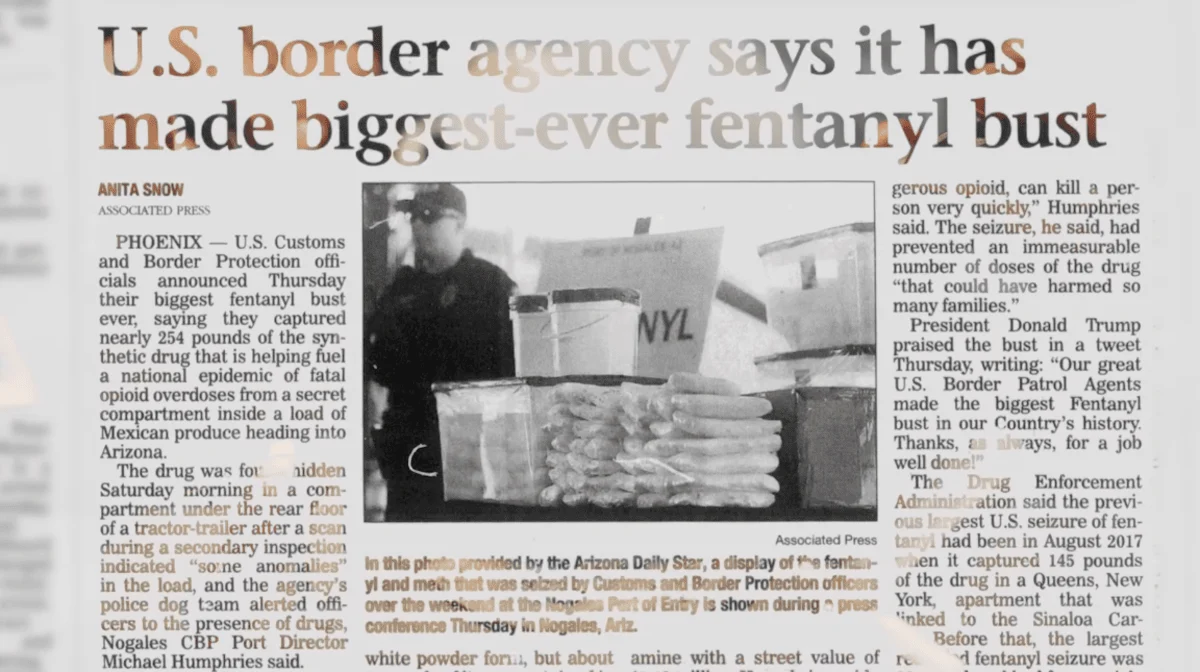
"Fentanyl is an important hospital drug, and it's used by people in everything from childbirth to colonoscopies and so it has a really legitimate use. The illicit fentanyl, the kind that's killing people, almost all of it comes from China. Fentanyl is made in China for the same reason as many other things are made in China – very cheaply."2
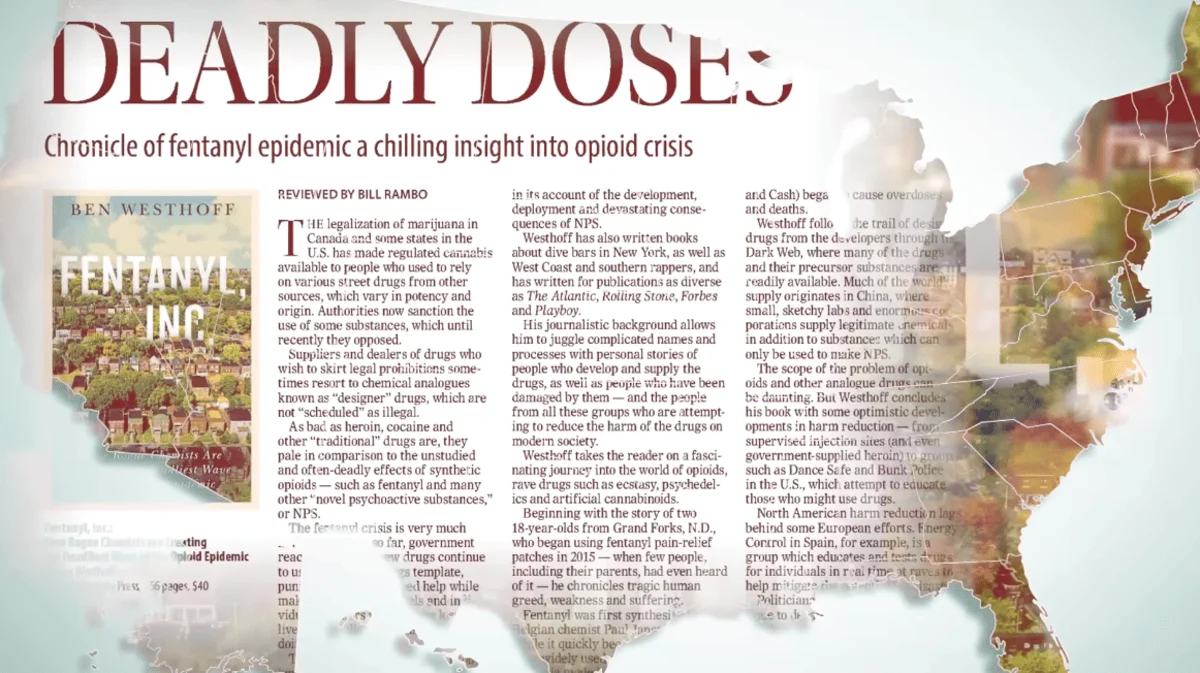
"Ben Westhoff is an investigative journalist and St. Louis resident. He published a book in 2019 called Fentanyl Inc: How Rogue Chemists Are Creating the Deadliest Wave of the Opioid Epidemic. Westhoff eventually realized during his investigation that to tell the full scope of the American fentanyl crisis, he needed to travel to China."
"The drug companies did their marketing and pushing and selling of opioids that were never typically used in outpatient settings. However, [we] physicians also did not do our homework as a profession and we fell for it. Our job was to write out the Percocet, or the oxycodone, or the hydrocodone for you – 1 to 2 tabs every 4 to 6 hours with two refills – and that was common practice."3
"Unfortunately, I don't really think there's a way to stop fentanyl from getting into the country. Even if you get China to really crack down on this, the trade is going to move somewhere else. It's kind of like a game of whack-a-mole, every time you try to stop it, it just pops its head up somewhere else. All we can really do is try to help people understand what fentanyl is, try to convince them to stay away from it, and try to improve the treatment options for people who do become addicted to it."
"There was a major commission study between Lancet and Stanford University ... they have a modelling figure that says between now and the end of the decade, we will lose about 1.2 million people. It absolutely angered me."
"Fentanyl and drug overdose deaths are getting to be even worse than COVID deaths and yet we don't have that same state of emergency, we don't have that same sort of outlay of funds and resources, and I think we really need that. We do have to treat this as a medical problem, and we do have the right medicine."4
"There are three FDA approved medications: buprenorphine, methadone, and naltrexone."
"If somebody is overdosing on any opioid, naloxone will displace some of those opioids because it has a stronger magnetic effect to the receptors in the brain than all opioids. So, it will kick out some that are there, allow the person to resume to normal breathing, which in turn basically is what reverses the overdose and the individual wakes up."
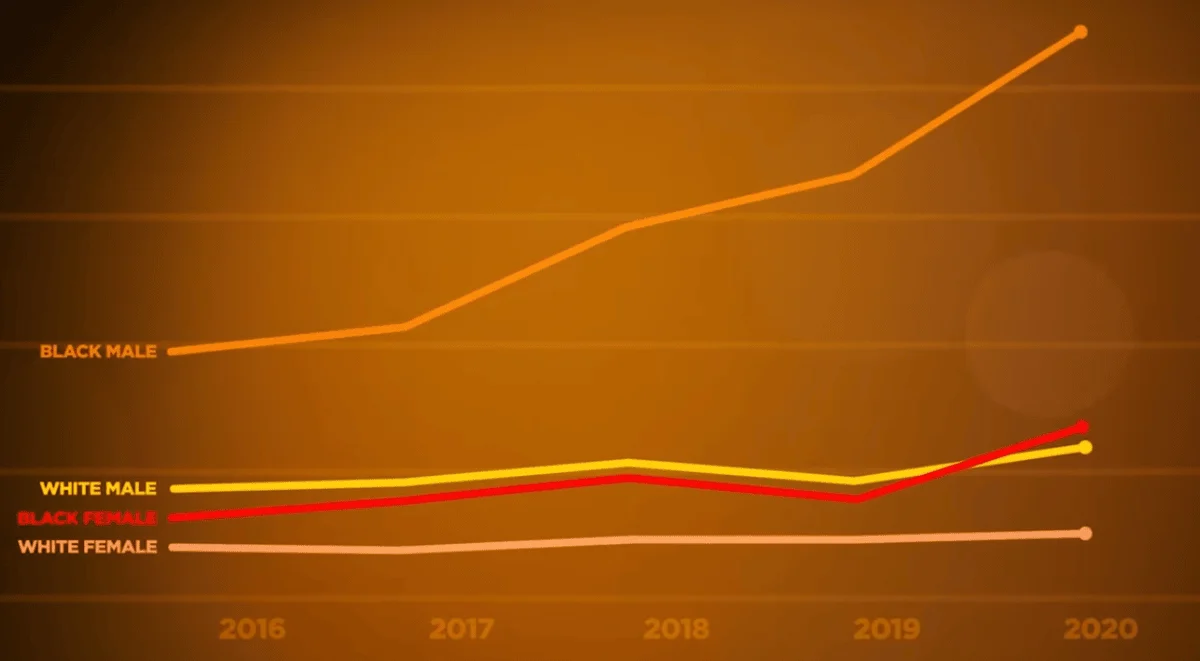
"The local black community has been affected especially hard by the overdose epidemic … black men specifically are 3x as likely as any other demographic to die of an opioid overdose in Missouri."5
"Jubilee Community Church partnered with Assisted Recovery Centers of America to put a treatment clinic inside the church. Patients get medically-assisted treatment there as well as mental health counselling."
1 The risk of overdose is especially high following release from jail or prison, with the risk of death from synthetic opioid overdose estimated to be 50 times greater than that of the general population during the first two weeks after release. Access to medications for opioid use disorder (MOUD) remains inconsistent across many correctional settings in the United States.
2 The DEA identified China as the primary source of U.S.-bound illicit fentanyl and fentanyl precursors during the mid-2010s. After China implemented class-wide controls on fentanyl-related substances in 2019, direct shipments to the United States declined significantly, while production increasingly shifted to transnational criminal organizations operating in Mexico using precursor chemicals sourced largely from China.
3 Opioid pharmaceutical marketing, led by Purdue Pharma's 1996 launch of OxyContin, aggressively promoted long-acting opioids for chronic non-cancer pain, shifting from strict, short-term usage paradigms. Misleading tactics—including overstating safety, downplaying addiction risks, and funding biased educational materials—drove widespread prescribing, fueling a major public health crisis, resulting in exponential overdose increases, and leading to billions in corporate settlements.
4 While COVID-19 emergency powers allowed broad government intervention and large-scale mobilization of resources, the opioid emergency primarily focused on expanding access to addiction treatment funding and reducing barriers to medications such as methadone and buprenorphine.
5 By 2022, Black men in the United States experienced significantly higher overdose death rates than white men, driven largely by synthetic opioids such as fentanyl. Researchers found fentanyl-related mortality among Black communities increased sharply during the late 2010s as illicit synthetic opioids became more widespread.
Continue Learning
Explore the topics covered in this resource with the links below. Whether you're looking for a quick overview, an in-depth article, or another video, these resources can help deepen your understanding. If there's a topic you'd like to see covered or you're looking for something specific, feel free to contact me.
Explore the topics covered in this resource with the links below. If you're looking for something specific or have a suggestion, feel free to contact me.






Share Your Review
Your perspective matters. By sharing your honest thoughts, you can help others understand what this resource is really like beyond a simple summary. Whether it resonated with you, challenged your thinking, or wasn't what you expected, your feedback helps build a more useful and transparent collection of addiction and mental health resources.
Your perspective matters and helps improve this collection of addiction and mental health resources.
There are no reviews yet. Be the first one to write one.