Prescription opioid dependence can affect people of all ages and backgrounds, including those who first encounter opioids through legitimate pain treatment. Focusing on communities in Ontario, this documentary combines personal experiences with perspectives from healthcare professionals, treatment providers, and community leaders. It examines opioid withdrawal, stigma, harm reduction, methadone treatment, counselling, and other approaches to recovery while exploring the challenges of balancing pain management with the risks of prescription opioids and responding to addiction as a public health issue.
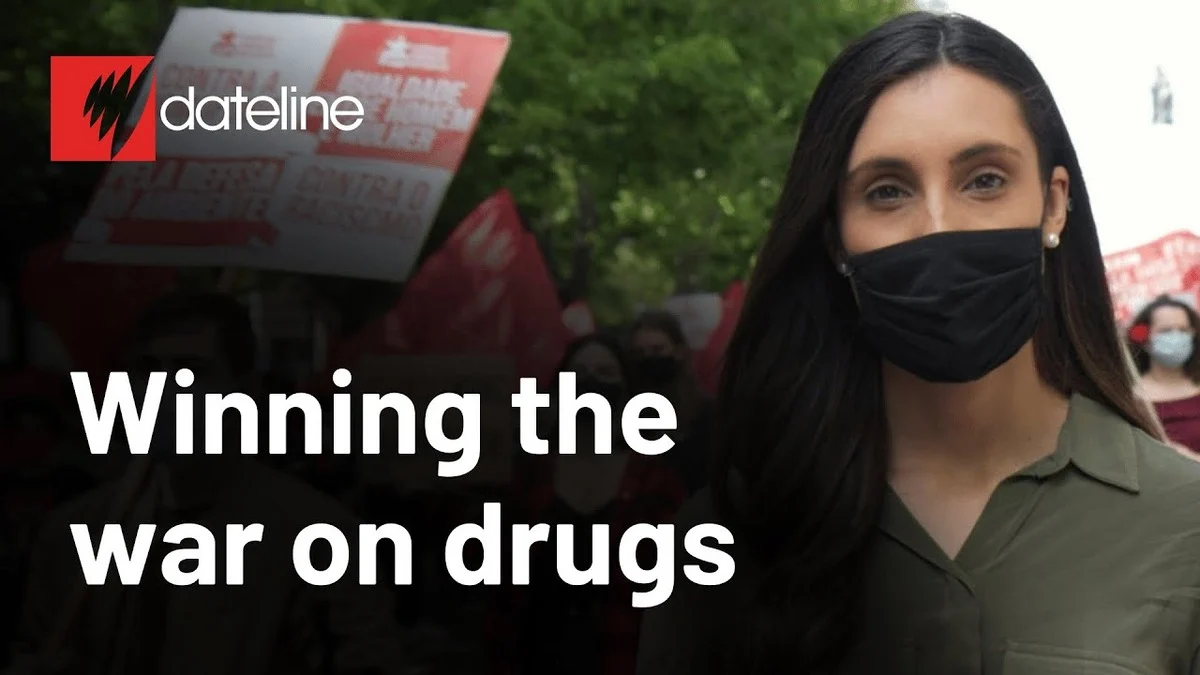
In 2001, Portugal transformed its approach to drugs by decriminalizing possession of small amounts for personal use and shifting its focus toward health, treatment, and harm reduction. Two decades later, SBS Dateline travels to Lisbon to examine how the policy works in practice and what impact it has had on addiction, overdose deaths, and people who use drugs. Through policymakers, frontline workers, and personal stories, the investigation explores Portugal's progress, the problems that remain, and whether countries such as Australia could learn from its approach to drug policy.
Across Arkansas, individuals and families share deeply personal experiences of opioid addiction, overdose, loss, and recovery. Their stories reveal how prescription opioids, heroin, and fentanyl have shaped the state's opioid crisis, while experts explain how dependence and opioid use disorder can develop and why the drug supply has become increasingly dangerous. Alongside accounts of repeated overdose and lives lost are stories of survival and recovery, highlighting the work of healthcare professionals, advocates, families, and communities responding to the crisis and supporting people as they rebuild their lives.
San Diego County has become a major battleground in the fentanyl crisis, with counterfeit pills, drug trafficking, and online drug markets contributing to a devastating rise in overdose deaths. Families, survivors, law enforcement, medical professionals, and community advocates share their experiences while examining how fentanyl reaches local communities and why young people are particularly vulnerable. The investigation also explores efforts to save lives through naloxone, fentanyl test strips, low-barrier care, and medications for opioid use disorder, showing how prevention and treatment have become critical parts of the response.
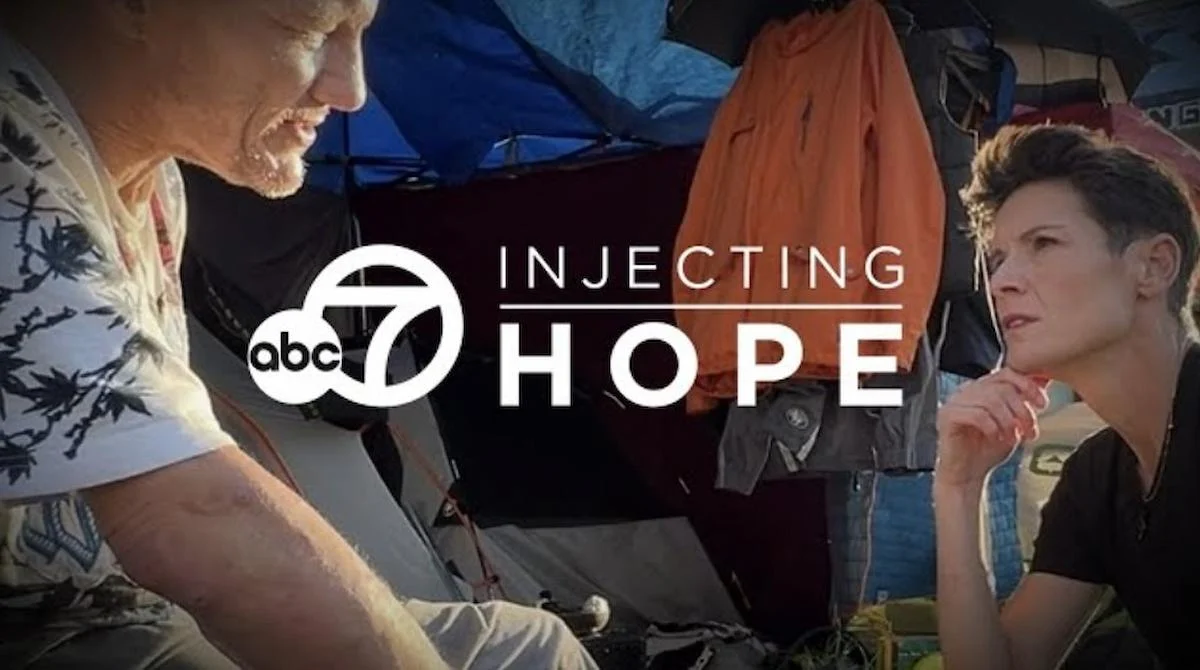
What can the United States learn from Canada’s approach to the overdose crisis? ABC7 News reporter Tara Campbell travels to British Columbia to examine harm reduction and the services designed to keep people who use drugs alive and connected to care. Through personal stories and expert perspectives, the documentary explores supervised consumption, fentanyl, homelessness, trauma, stigma, and barriers to treatment. It also looks inside Insite, North America’s first legally sanctioned supervised consumption site, while examining the broader debate over whether similar approaches could help communities struggling with overdose in the United States.
Fentanyl has transformed Ontario’s opioid crisis, affecting people who use drugs, families, healthcare workers, law enforcement, and communities across the province. This three-part series combines personal stories with expert perspectives to examine fentanyl, prescription opioid addiction, overdose, and the challenges people face when seeking treatment. It also explores harm reduction, public education, law-enforcement responses, and efforts to prevent further deaths. Along the way, people directly affected by addiction share their experiences, showing why understanding the crisis requires looking beyond the drug itself to the people and circumstances behind it.
Parents who lost their children to fentanyl share deeply personal stories of addiction, overdose, and grief as the crisis takes a growing toll on young people in Fresno, California. Alongside their experiences, medical professionals, law enforcement, and frontline workers discuss the dangers of fentanyl and the challenges of responding to overdoses within their communities. The film also examines how substance use can remain hidden from families until it is too late, while emphasizing the need for greater awareness, education, and support for young people and their parents.
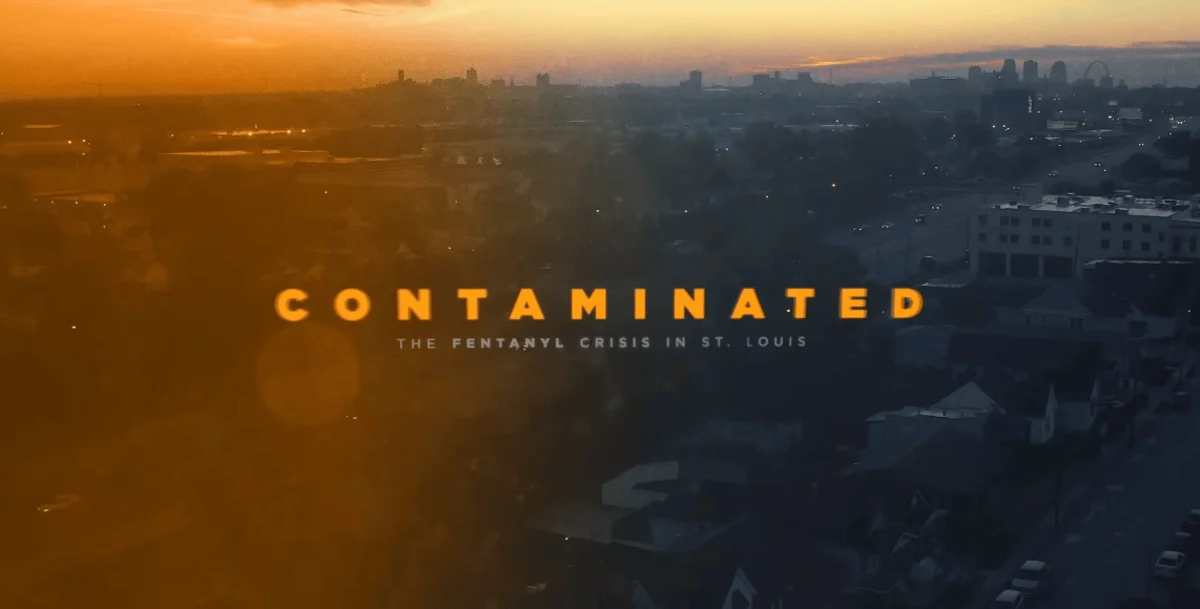
Fentanyl has transformed the overdose crisis in St. Louis, where the synthetic opioid has become a leading contributor to drug-related deaths. Through people in recovery, families, advocates, and treatment professionals, the film explores the human impact of fentanyl while examining where the illicit supply comes from and how the opioid crisis reached this point. It also looks at medications for opioid use disorder, naloxone, relapse, racial disparities in overdose deaths, and local efforts to expand treatment and recovery support throughout the community.
Go inside Rhode Island’s opioid epidemic through the experiences of people who use drugs, families, frontline workers, and those in recovery. From overdose prevention and harm reduction to peer support and treatment, the film examines how the state has responded to the crisis while showing the human impact behind the statistics. Personal stories of addiction, loss, relapse, and recovery reveal why keeping people alive and connected to care remains at the heart of Rhode Island’s efforts.