The Netherlands – Mocro Mafia & Drug Trafficking
Introduction
Organized crime in the Netherlands has surged alongside the booming cocaine trade, with criminal networks commonly associated with the Mocro Mafia at the center of growing concerns. Their influence has been demonstrated through increasingly violent tactics, including the murders of a key witness's brother, lawyer Derk Wiersum, and investigative journalist Peter R. de Vries. Fuelled by billions in drug profits, these networks have extended their reach through corruption, intimidation, and violence.
This documentary examines how cocaine smuggling through major European ports such as Rotterdam, Antwerp, and Hamburg has transformed the Netherlands into a key hub for the international drug trade. It also explores the Marengo trial, a major criminal case involving Ridouan Taghi and other defendants accused of involvement in murders and attempted murders.
Through interviews with investigators, journalists, and experts, the documentary reveals how organized crime, corruption, and the cocaine trade have become intertwined, testing the resilience of Dutch institutions and raising questions about how governments can respond to increasingly powerful criminal networks.
The Mocro Mafia & Marengo Trial
The Marengo trial concluded in February 2024, nearly two years after this documentary was released. Ridouan Taghi and two other defendants were sentenced to life imprisonment, with Taghi convicted of multiple murders and attempted murders connected to the criminal network he led. The nearly six-year trial became the largest criminal case in Dutch history and drew international attention to the violence and intimidation surrounding the Netherlands' lucrative cocaine trade.
Additional Resources:
Share This Resource!
Share This Resource!
Quotes
"8.5 million containers enter Europe's largest port every year. Controlling everything is impossible and drug dealers know that … The port is 42 kilometers long and many places can only be reached by police boat … The port is so huge they're sometimes on the move for hours."1
"It started in 2012 with a stolen load of cocaine in the harbor of Antwerp, that’s where it started. Then it expired into a total way that up till now is causing people to be killed. It’s a war that is about power, it’s about control of the harbor, about cocaine, a lot of money, and it’s about who controls the underworld."
"40 tons of it [cocaine] was seized here last year alone but much more gets through. The total estimate for the ports of Rotterdam, Antwerp and Hamburg combined is 1,300 tons. Prime destinations for South American suppliers, most of the cocaine is distributed in the Netherlands where most of the gangs are based."
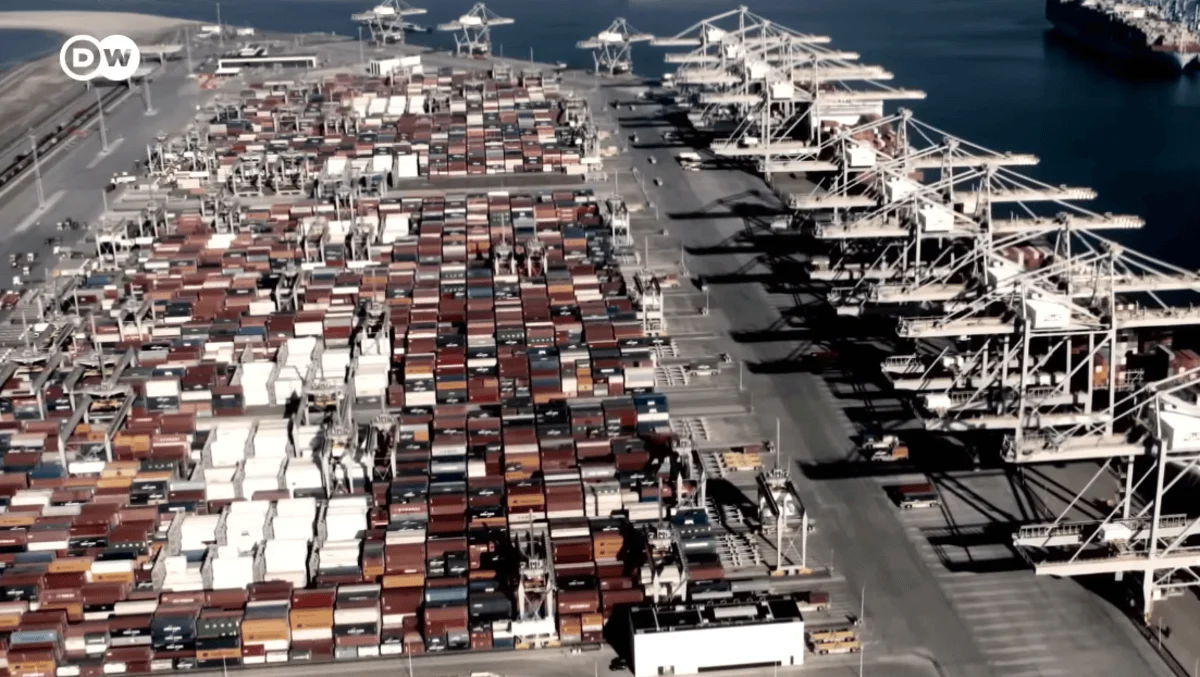
"The authorities estimate one kilo has a street value of around 50 000 euros. Often several tons are found in one go … This is an extremely lucrative market that’s defended by all possible means including violence. The so-called Mocro Mafia is active in some Amsterdam neighbourhoods. Many of its members have Moroccan roots, hence the name."
"The attack on lawyer Derk Wiersum in September 2019. He was defending a key witness in a high-profile mafia trial. Wiersum was gunned down in broad daylight."
"Ridouan Taghi is thought to be one of the leaders of the Mocro Mafia. After being brought back to the Netherlands, he is now the principal suspect in what’s known as the Marengo trial, the country’s highest profile mafia trial to date. 17 suspects are standing trial for alleged involvement in a string of murders and attempted murders."
"Of course, we’re trying to seize as many drugs as possible and arrest suspects, but I don’t have the utopian belief that we’ll stop it but there’s no question of giving up – that’s simply not an option. No one in the Netherlands believes that the world will ever be completely free of drug trafficking and crime, particularly as long as the demand for cocaine continues to grow."
1 Europol reports that only a small percentage of containers entering European ports are inspected, meaning that law enforcement is able to intercept only a fraction of the illicit goods trafficked through major shipping hubs.
Continue Learning
Explore the topics covered in this resource with the links below. Whether you're looking for a quick overview, an in-depth article, or another video, these resources can help deepen your understanding. If there's a topic you'd like to see covered or you're looking for something specific, feel free to contact me.
Explore the topics covered in this resource with the links below. If you're looking for something specific or have a suggestion, feel free to contact me.





Share Your Review
Your perspective matters. By sharing your honest thoughts, you can help others understand what this resource is really like beyond a simple summary. Whether it resonated with you, challenged your thinking, or wasn't what you expected, your feedback helps build a more useful and transparent collection of addiction and mental health resources.
Your perspective matters and helps improve this collection of addiction and mental health resources.
There are no reviews yet. Be the first one to write one.