Poison Pill: San Diego's Battle Against Fentanyl
Introduction
Poison Pill is an NBC 7 investigation examining how fentanyl has transformed from a growing threat into a public health crisis across San Diego County. Through interviews with overdose survivors, grieving families, medical professionals, law enforcement, government officials, and community advocates, the documentary explores the devastating impact fentanyl continues to have on individuals and communities.
The investigation looks at the forces driving the crisis, including drug trafficking, counterfeit pills, and the growing use of social media and encrypted platforms to advertise and sell drugs, particularly concerning for parents and young people. It also examines barriers to addiction treatment and efforts to prevent overdose deaths through naloxone, fentanyl test strips, low-barrier care, and medications for opioid use disorder. By combining expert insight with personal stories, Poison Pill provides a closer look at both the human toll of fentanyl and the strategies being used to save lives.
San Diego's Fentanyl Crisis
Fentanyl overdose deaths in San Diego County have increased more than 2,300% since 2016, according to the San Diego County District Attorney's Office. This powerful synthetic opioid is now the leading cause of death for young adults ages 18 to 45 in the region, surpassing car accidents, homicide, suicide, and heart disease. In response to the escalating crisis, San Diego County officials declared illicit fentanyl a public health emergency.
Additional Resources [PDFs]:
Share This Resource!
Share This Resource!
Quotes
"There are two types of fentanyl: (1) Pharmaceutical, which is administered by medical professionals, used in controlled environments like hospitals and through prescriptions, and (2) Counterfeit, which has no quality control and is sold illegally."
"In 2021 alone, the DEA seized 20.4 million fake pills. In the first nine months of 2022, US Customs & Border Protection law enforcement agencies in San Diego and Imperial counties seized 5,091 pounds of fentanyl."
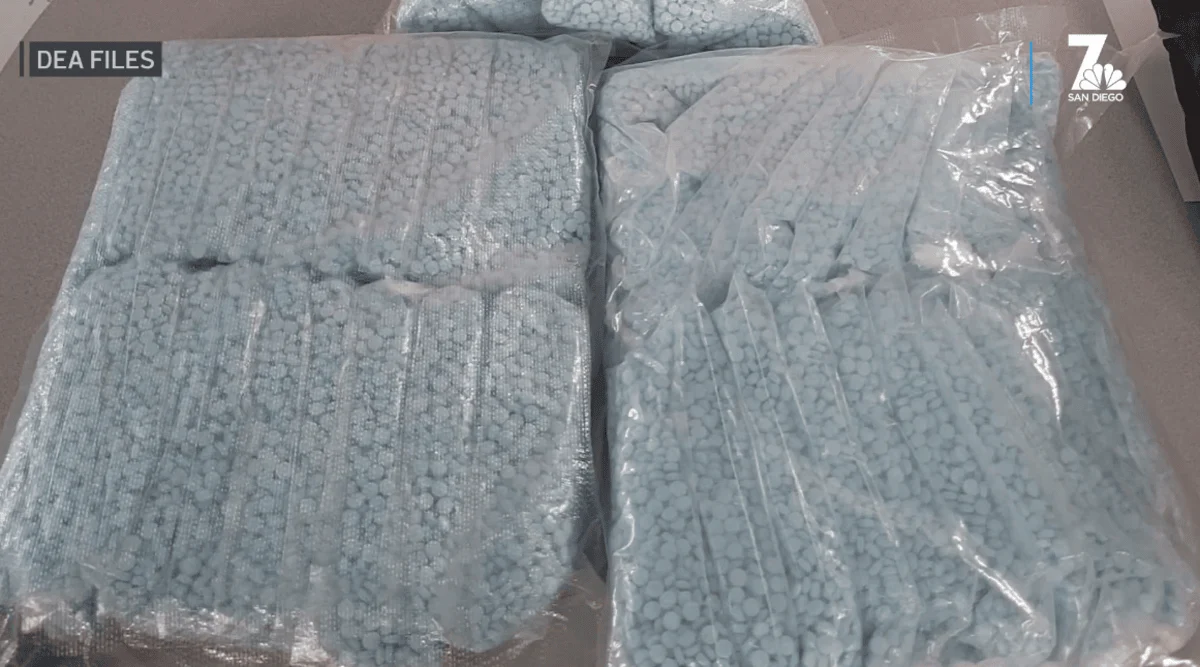
"Some of the methods that these drug trafficking organizations employ are pretty detailed. They'll conceal the narcotics in certain man-made compartments, or non-factory compartments. We've seen through the seats, the gas tanks, the dashboard … They would put it on a two-year-old's diaper, and they'll line the padding of the diaper with methamphetamine … there's no means to which these organizations will not go through."
"More than half of the pills being seized are potentially deadly. The DEA analyzes these pills for fentanyl levels and has found that 6 out of 10 pills contain what could be a lethal dose."1
"On average fentanyl kills two people in San Diego County every single day, and across the U.S, one person dies from a fentanyl-related overdose every 8 minutes and 57 seconds."2
"Back in 2016, the M.E. recorded 33 fentanyl-related overdose deaths in San Diego County, but by 2021, that went up to about 887 deaths."
"The first time I tried opiates, I was immediately hooked. My thought was, I have to do this every day, and I did … I had the best intentions to change, and I just couldn't do it … I would already feel a therapeutic effect just by having it in my pocket, it's not even in my system yet."
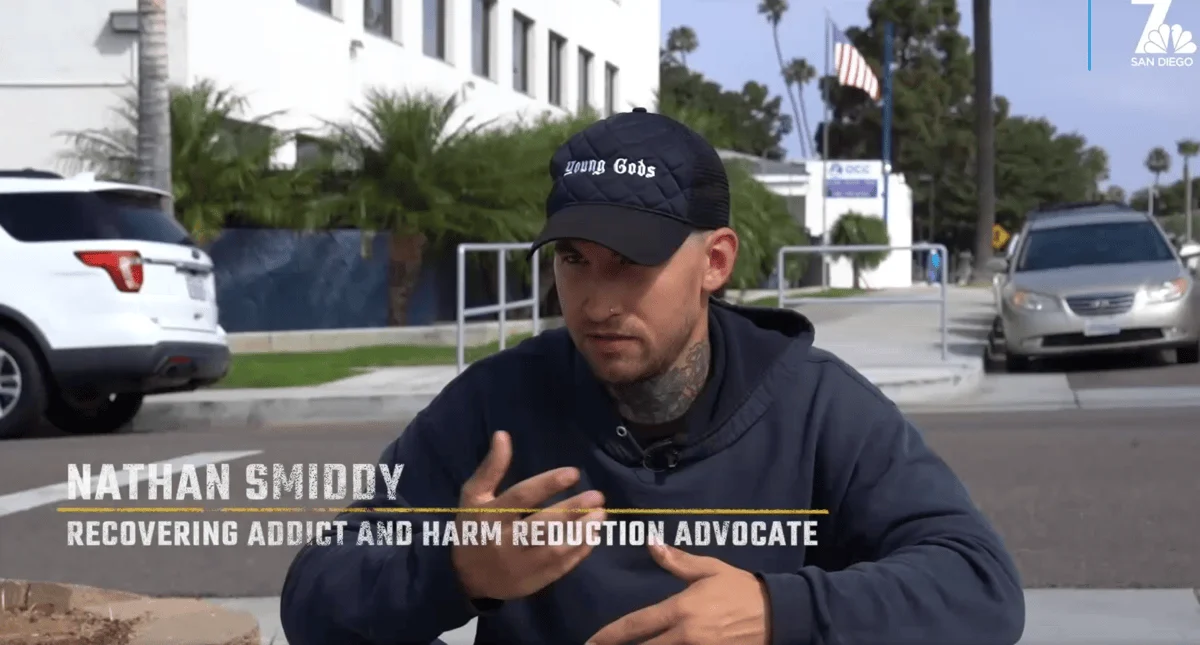
"Every week, Nate sets up in this parking lot, along with a non-profit that offers hot showers, a meal, and other resources to folks on the streets. Nate hands out care packages that always have Narcan and he makes sure people know how to use it. Nate also includes testing strips that can detect drugs laced with fentanyl."
Nathan Smiddy—aka "Narcan Nate"—is a harm reduction advocate who works with A New Path, a nonprofit dedicated to reducing stigma around addiction through education and compassion. Having survived opioid addiction and multiple overdoses, he now provides naloxone and overdose-response training to individuals and organizations in and around Oceanside, California.
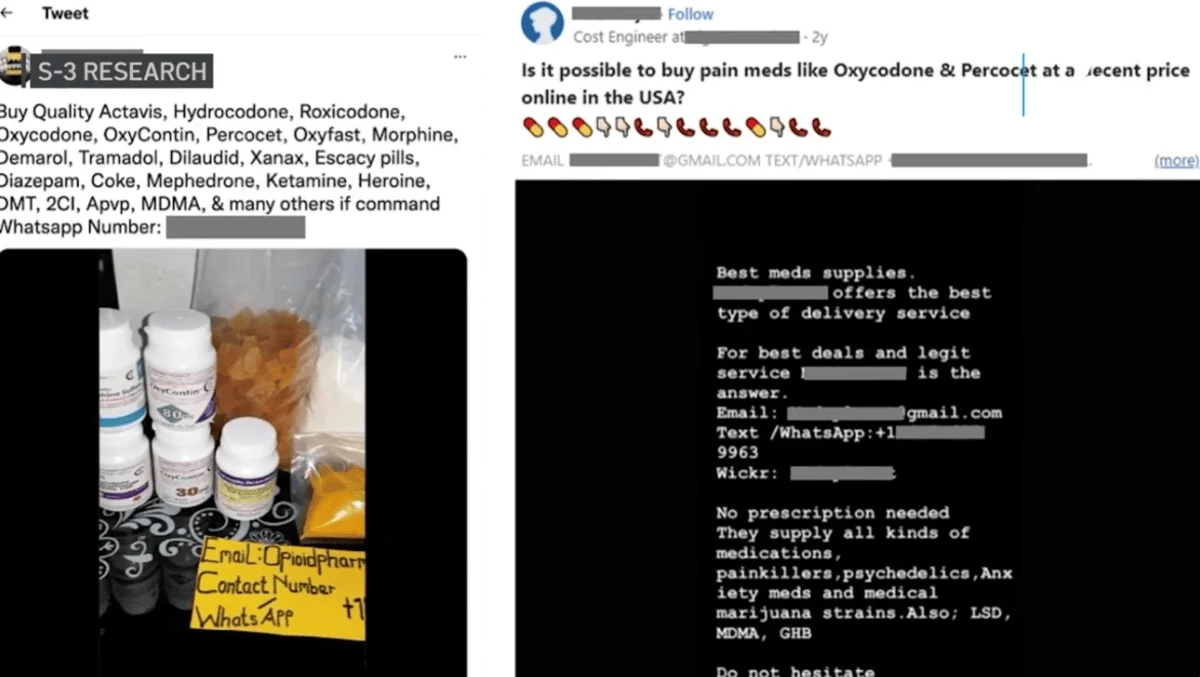
"We have drug dealers that have reviews, we have drug dealers that have tracking numbers for the product that they ship, and we have drug dealers that are multi-marketing – they have an Instagram account, they have a Snapchat account, they have a Telegram account et cetera. They're seeing [the advertisements] all over the place, so the odds that your child is going to be exposed to this content can be relatively high."3
"There are three medications that are FDA approved for the treatment of opioid use disorder that have been shown to be very effective at reducing folks from using, as well as reducing all the negative impacts in their life when they're using: (1) methadone, (2) buprenorphine, and (3) naltrexone."
"When we're creating programs to help treat people ... we want to have what's called Low-Barrier Care. We want patients to be able to be connected to a provider … that has very good understanding of how to treat addiction, and we want them to be able to get medications right away. We know that these medications save lives, so we don't want to delay treatment."
1 DEA laboratory testing suggests the potency of counterfeit fentanyl pills has declined in recent years. In 2025, 29% of fentanyl pills analyzed by the agency contained a potentially lethal dose, down from 76% in 2023. Despite this decrease, DEA officials continue to warn that counterfeit pills remain highly unpredictable and potentially deadly.
2 Fentanyl-related deaths in San Diego County have declined since the peak years of the crisis, but the drug remains the leading driver of opioid overdose mortality. County data recorded 386 fentanyl-involved overdose deaths in 2025, and officials continue to treat the synthetic opioid supply as a major public health concern.
3 Researchers have found that encrypted messaging platforms and social media have reshaped illicit drug markets by allowing dealers to advertise products, communicate with customers, coordinate deliveries, and build networks with greater speed and perceived anonymity than traditional street-level dealing.
Continue Learning
Explore the topics covered in this resource with the links below. Whether you're looking for a quick overview, an in-depth article, or another video, these resources can help deepen your understanding. If there's a topic you'd like to see covered or you're looking for something specific, feel free to contact me.
Explore the topics covered in this resource with the links below. If you're looking for something specific or have a suggestion, feel free to contact me.




Share Your Review
Your perspective matters. By sharing your honest thoughts, you can help others understand what this resource is really like beyond a simple summary. Whether it resonated with you, challenged your thinking, or wasn't what you expected, your feedback helps build a more useful and transparent collection of addiction and mental health resources.
Your perspective matters and helps improve this collection of addiction and mental health resources.
There are no reviews yet. Be the first one to write one.