Not What the Doctor Ordered
Introduction
Released as prescription drug misuse was emerging as a major public health concern, Not What the Doctor Ordered examines how communities across Tennessee responded to what was then one of the highest rates of prescription drug abuse in the United States. The documentary follows coalition leaders, law enforcement, healthcare professionals, pharmacists, insurance representatives, and others as they confront a rapidly growing problem.
Through firsthand accounts, the film explores doctor shopping, prescription drug diversion, youth prevention, law enforcement, and Tennessee's early prescription drug monitoring program. Produced before the opioid crisis became a widely recognized national emergency, Not What the Doctor Ordered captures many of the warning signs and prevention strategies that would later become central to the broader response to opioid-related harms.
How the Opioid Crisis Changed
Since this documentary was released, the opioid crisis has evolved through several distinct waves. The early rise in overdose deaths was driven largely by prescription opioids, followed by increasing heroin deaths around 2010 and a rapid rise in deaths involving illicitly manufactured fentanyl beginning in 2013. More recently, fentanyl has increasingly appeared alongside stimulants such as methamphetamine and cocaine, creating a more complex and unpredictable illicit drug supply. Although U.S. overdose deaths have declined from their peak, opioid-related harms remain a major public health challenge.
Additional Resources:
Share This Resource!
Share This Resource!
Quotes
"The most abused categories of drugs are pain relievers, stimulants, sedatives and tranquilizers, but any prescription drug can be abused and if combined with other drugs and substances the results can be tragic."
"I'd say most people, especially young naive people, do not understand the dangers of these drugs. When you mix even small doses of an opioid and a benzodiazepine, you can get synergism. So, rather than 1+1 is 2, the effect may be like 3 or 4, so it's an exaggeration of the effect. So, that can result in severe toxicity, coma and death.
"I just wish there was a way I could reach out to more people and teach them that lesson and remind them of the tragedies that can occur due to prescription drug abuse. You’ve got to prevent them from starting to prevent them from dying and that’s the bottom line: just don’t start it, just don’t go there."
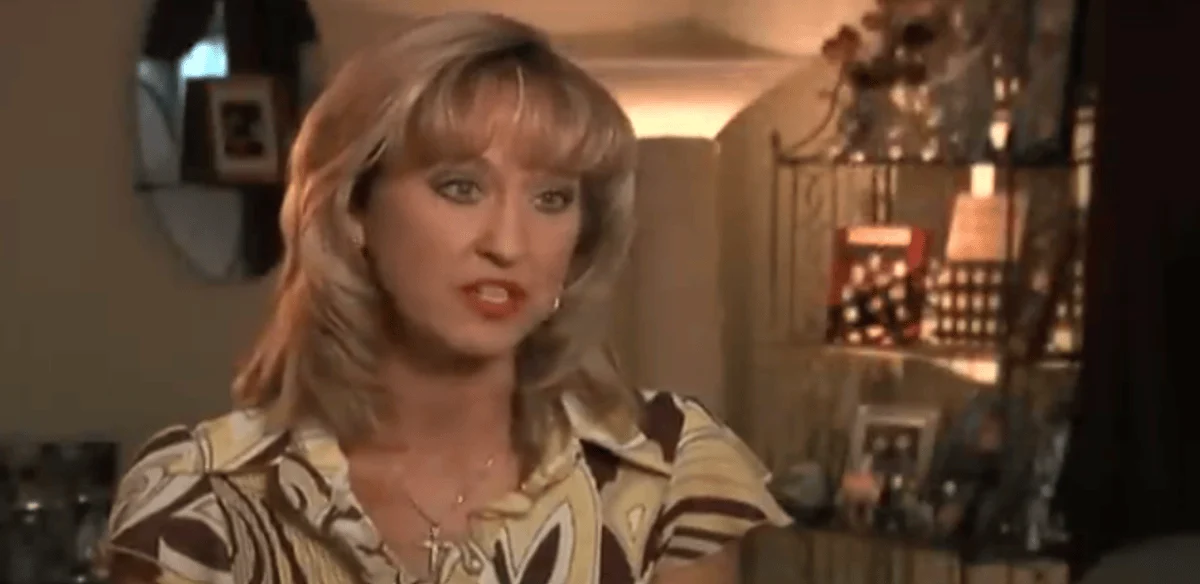
"Even if your child wouldn't take it or you think your child wouldn't do it, they may have a friend over that'll do it and you just don't want them to have access to that. It could be anyone's child - it's an equal opportunity destroyer."
"The abuse of legal drugs is outpacing the use of illegal ones. Recent data from the Monitoring the Future Survey [PDF] showed seven of the top 10 drugs High School seniors are misusing are prescription or over-the-counter medications. A 2007 study from the Substance Abuse and Mental Health Services Administration reported 5.2 million people aged 12 or older reported they used a prescription pain reliever, non-medically, in the past month. Many addicts say their habits began somewhat accidentally."
"When we did the survey, the results from the kids' surveys were completely different than the adults surveys because the parents are just unaware of what the kids are really doing. I think they're in denial about it or they don't know, it's one or the other."
"Prescription drugs shatter the image of who a drug dealer is and how to handle the crimes they commit. Sometimes it isn’t easy to spot. Prescription drug crimes are often subtle and not always obvious to law enforcement officers, who are more used to street crimes."
"The one issue that is dealt with most is what they call doctor shopping … obtaining multiple prescriptions or overlapping prescriptions from multiple providers without the providers being aware of the other."
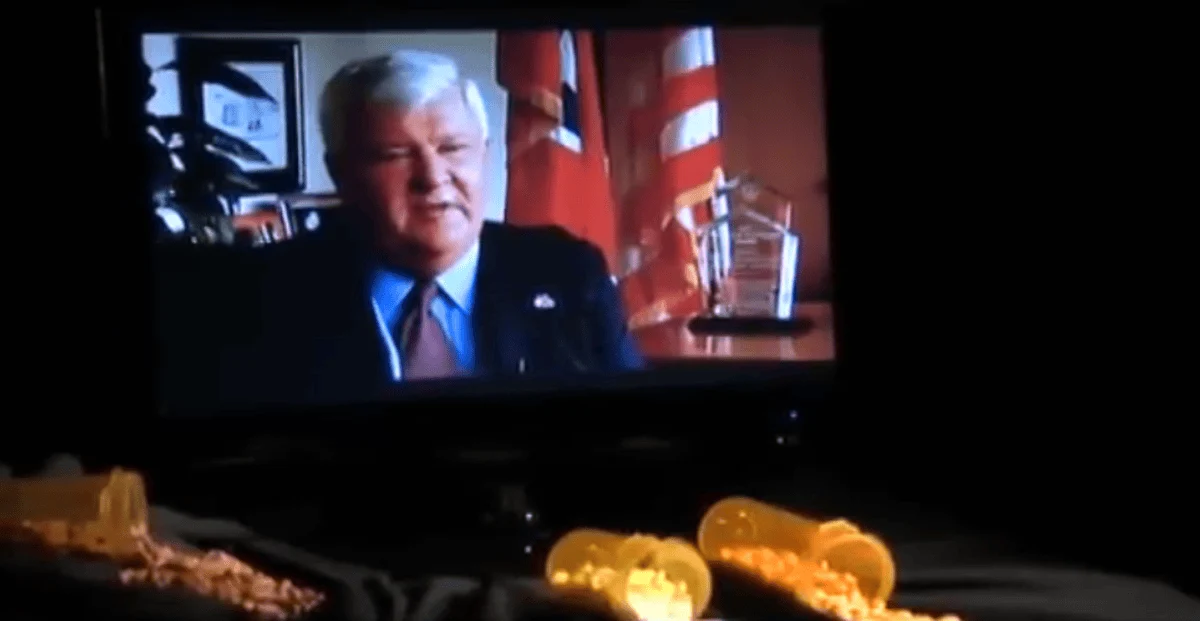
"The last two years ... we deal with [prescription drugs] almost on a daily basis ... every crime that comes to this office more than 95% are related to drugs in one way or another."
"We're not seeing quite the violence that you may see over a gram of cocaine or whatever. I don't know why we wouldn't think that that's not next. It's been the history in this country, that once the supplies, the availability, is diminished, the next comes violence and I anticipate we'll see that too."
"I do not believe or want in any way for narcotic prescriptions to be taken away from those that truly have a medical need for them. Where it is medically needed and necessary, drugs are a very good thing and should be there. I hope if I'm ever dying, they are there to treat my pain."
"I think there has to be a certain reluctance to issue pain medications simply because you got people coming in and [you wonder], is this a legitimate complaint or is this not a legitimate complaint? I don't think any of the physicians want to be in a position where they're fostering any activities that lead to substance abuse. So, there is some modification in the thought process. I think they'll step back and do a little thinking before they'll issue a narcotic."
"The way people in positions of power look at it is, they continue to focus on illicit drugs and I worry we're not paying near enough attention to the real problem and that's prescription drugs ... I think training and discussion is the best way that I know to go about it, to change the mindset of not only law enforcement but of everybody."
"The state of Tennessee has established a prescription drug registry, where they feed all controlled prescriptions filled at pharmacies across the state for controlled substances into a central database and this database looks for people that are going to multiple doctors ... The sad thing is that the majority of physicians have not signed up for this database and don't utilize it."
Continue Learning
Explore the topics covered in this resource with the links below. Whether you're looking for a quick overview, an in-depth article, or another video, these resources can help deepen your understanding. If there's a topic you'd like to see covered or you're looking for something specific, feel free to contact me.
Explore the topics covered in this resource with the links below. If you're looking for something specific or have a suggestion, feel free to contact me.


Share Your Review
Your perspective matters. By sharing your honest thoughts, you can help others understand what this resource is really like beyond a simple summary. Whether it resonated with you, challenged your thinking, or wasn't what you expected, your feedback helps build a more useful and transparent collection of addiction and mental health resources.
Your perspective matters and helps improve this collection of addiction and mental health resources.
There are no reviews yet. Be the first one to write one.