Benzo Dope & Tranq: The Next Wave of the Overdose Crisis
Introduction
The overdose crisis continues to evolve, with synthetic substances driving record-breaking deaths across North America. One of the most dangerous developments is benzo dope—a combination of fentanyl and benzodiazepines that significantly increases the risk of overdose while limiting the effectiveness of naloxone.1 These potent mixtures are often produced illicitly, making them unpredictable and far more dangerous than traditional street drugs.
Another growing threat is tranq—a mix of fentanyl and xylazine, a veterinary tranquilizer not approved for human use. This combination can severely depress the central nervous system, leading to memory loss, dangerously low vital signs, and devastating physical effects such as non-healing wounds.2 These emerging drug cocktails highlight a rapidly changing and increasingly lethal drug supply, where users often have no idea what they're taking—and survival becomes increasingly uncertain.
Additional Resources:
Share This Resource!
Share This Resource!
Quotes
"For the last decade, both Canada and the US have been ravaged by an overdose crisis largely fueled by the synthetic opioid fentanyl. The pandemic made it worse by disrupting the drug supply and cutting people off from harm reduction services but the crisis is now reaching another turning point. Chemicals made in labs are infiltrating the drug supply and being combined with fentanyl to make something more dangerous, and nowhere is this more evident than in British Columbia."3
"To make the fentanyl effects last longer, other suppliers have been cutting it with ultra potent chemicals. One, called etizolam, is from a family of sedatives called benzodiazepines. This cocktail is being sold as benzo dope, a drug that's deadlier and more addictive than the sum of its parts."
"Data exclusively shared with VICE News shows powerful substances showing up in the U.S. illegal supply. A new stimulant that can kill you is being sold as molly and ecstasy in nine U.S. states (dimethylpentylone). A synthetic cannabinoid that can put you in a coma or kill you has been found in 13 states (MDMB-4en-PINACA). A synthetic opioid 20 times stronger than fentanyl is being sold as dope in 20 states (N-pyrrolidino etonitazene)."
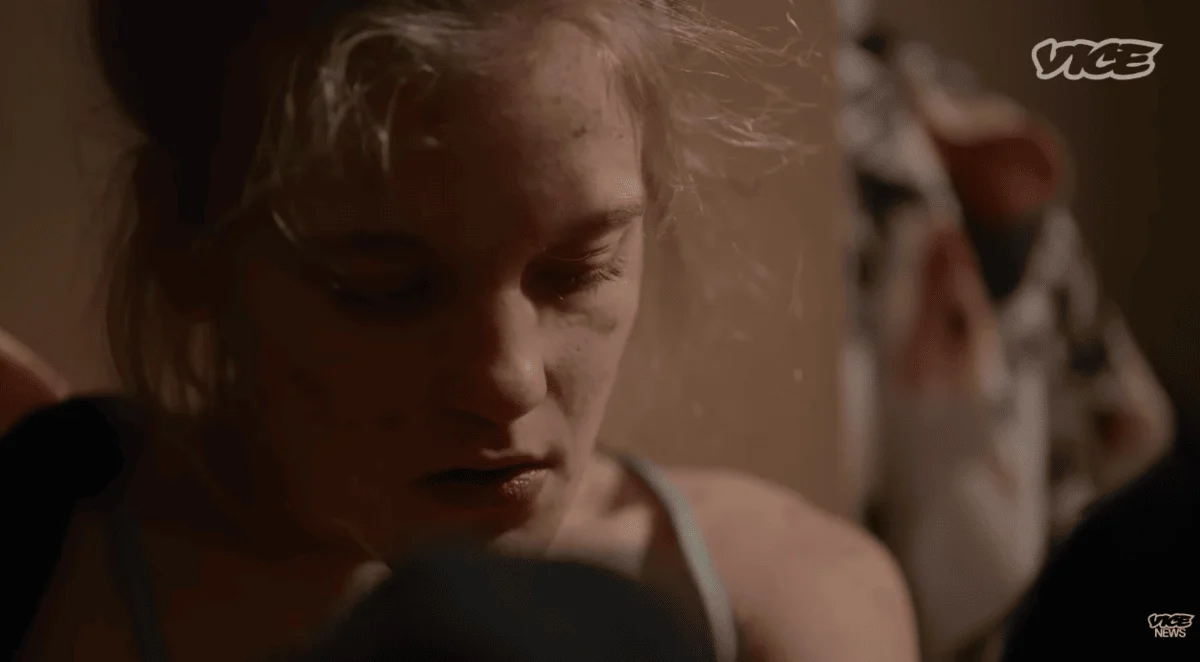
"A lot of my trauma and pain could have been prevented if I didn't make the choices that I made and I just want to share my story and stuff to prevent a lot of other girls from either going through that or girls who have experienced it so they know they're not alone."
"Early on the opioid crisis was linked to prescription opioid tablets that then evolved into the heroin period. That heroin period then evolved into what was considered the third wave or the fentanyl wave. I think it's very clear now that we've entered this poly drug wave, when you have fentanyl being mixed with other stimulants or benzodiazepines or other drugs."
"Xylazine is a tranquilizer most commonly used on horses but it's now being used to make the effects of fentanyl last longer. Like benzos, it knocks out users for hours at a time and doesn't respond to naloxone, which makes identifying it in the supply all the more important."
"Fentanyl cut with xylazine is called tranq or tranq dope. Its impact in Philadelphia is most evident in Kensington. The neighborhood is commonly called an open-air drug market because people buy sell and use drugs like tranq right on the street."
"Five years ago, Sarah Laurel founded Savage Sisters, an organization that runs sober living homes, needle exchanges, and naloxone training."
"One reason synthetic drugs are taking up so much space in the drug supply here might surprise you – U.S. foreign policy. From 2014 to 2019, much of North America's fentanyl supply came from one place. But in 2019, China, under pressure from the Trump Administration, banned fentanyl. Seizures of fentanyl in the U.S. supply dropped that year, only it didn't last long. Companies in China pivoted from selling fentanyl to marketing substances that mimic its effects, as well as the compounds that make it up. Those compounds were bought by Mexican cartels who are now manufacturing fentanyl and trafficking it back into the U.S."
1 Combining opioids and benzodiazepines is associated with increased risk of respiratory depression and overdose due to additive central nervous system suppression. Naloxone reverses opioid-induced respiratory depression but does not reverse benzodiazepine effects, meaning sedation and respiratory risk may persist.
2 Xylazine exposure is associated with central nervous system depression and severe skin ulcers or wounds that may not heal properly, particularly with repeated use.
3 The COVID-19 pandemic disrupted drug supply chains and reduced access to harm reduction and treatment services, contributing to increased overdose risk.
Continue Learning
Explore the topics covered in this resource with the links below. Whether you're looking for a quick overview, an in-depth article, or another video, these resources can help deepen your understanding. If there's a topic you'd like to see covered or you're looking for something specific, feel free to contact me.
Explore the topics covered in this resource with the links below. If you're looking for something specific or have a suggestion, feel free to contact me.




Share Your Review
Your perspective matters. By sharing your honest thoughts, you can help others understand what this resource is really like beyond a simple summary. Whether it resonated with you, challenged your thinking, or wasn't what you expected, your feedback helps build a more useful and transparent collection of addiction and mental health resources.
Your perspective matters and helps improve this collection of addiction and mental health resources.
There are no reviews yet. Be the first one to write one.