Across Arkansas, individuals and families share deeply personal experiences of opioid addiction, overdose, loss, and recovery. Their stories reveal how prescription opioids, heroin, and fentanyl have shaped the state's opioid crisis, while experts explain how dependence and opioid use disorder can develop and why the drug supply has become increasingly dangerous. Alongside accounts of repeated overdose and lives lost are stories of survival and recovery, highlighting the work of healthcare professionals, advocates, families, and communities responding to the crisis and supporting people as they rebuild their lives.
San Diego County has become a major battleground in the fentanyl crisis, with counterfeit pills, drug trafficking, and online drug markets contributing to a devastating rise in overdose deaths. Families, survivors, law enforcement, medical professionals, and community advocates share their experiences while examining how fentanyl reaches local communities and why young people are particularly vulnerable. The investigation also explores efforts to save lives through naloxone, fentanyl test strips, low-barrier care, and medications for opioid use disorder, showing how prevention and treatment have become critical parts of the response.
What can the United States learn from Canada’s approach to the overdose crisis? ABC7 News reporter Tara Campbell travels to British Columbia to examine harm reduction and the services designed to keep people who use drugs alive and connected to care. Through personal stories and expert perspectives, the documentary explores supervised consumption, fentanyl, homelessness, trauma, stigma, and barriers to treatment. It also looks inside Insite, North America’s first legally sanctioned supervised consumption site, while examining the broader debate over whether similar approaches could help communities struggling with overdose in the United States.
What happens inside the brain when occasional drug use becomes addiction? Experts use neuroscience, brain imaging, and personal stories to explain how opioids affect dopamine, cravings, withdrawal, decision-making, and the brain’s reward system. The film also explores the roles of genetics, family history, and childhood trauma in addiction risk, while examining approaches to treatment and harm reduction, including methadone, buprenorphine, naloxone, and supervised consumption sites. Alongside the science are stories of recovery that show why addiction is increasingly understood as a treatable medical condition rather than a moral failing.
After years of reporting on addiction and the opioid crisis, journalist Angela Kennecke experienced the crisis personally when her 21-year-old daughter, Emily, died from fentanyl poisoning. She shares her family’s story while continuing to investigate the issues affecting other families across South Dakota. Through personal stories and expert perspectives, the special explores fentanyl, overdose, stigma, Good Samaritan laws, drug courts, medication-assisted treatment, and recovery. It also follows Kennecke as she turns the loss of her daughter into advocacy through Emily’s Hope, an organization dedicated to prevention, awareness, and recovery.
Through personal stories, expert interviews, and community perspectives, this Orlando-produced news special explores the devastating impact of the opioid crisis on individuals, families, and communities. It examines the progression from prescription opioids to heroin and fentanyl, while highlighting overdose prevention, recovery, Neonatal Abstinence Syndrome, and the lasting effects addiction has on children and loved ones. Alongside these stories, the documentary also explores emerging treatment approaches and the ongoing efforts of healthcare professionals and advocates working to save lives.
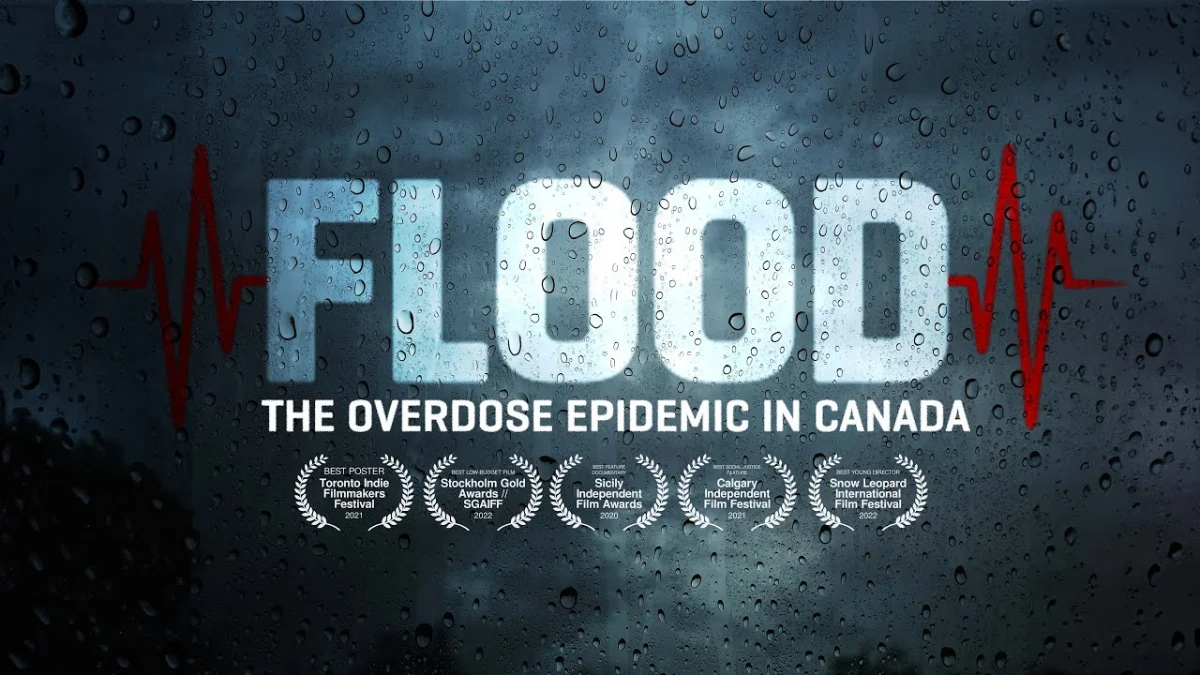
This documentary travels across Canada to examine the country's overdose crisis through the experiences of advocates, families, frontline workers, and people directly affected by substance use. Focusing on harm reduction, it explores the efforts being made to prevent overdose deaths, reduce stigma, and improve access to support and life-saving services. Through personal stories and community initiatives, the film offers a broad look at one of Canada's most urgent and ongoing public health challenges.
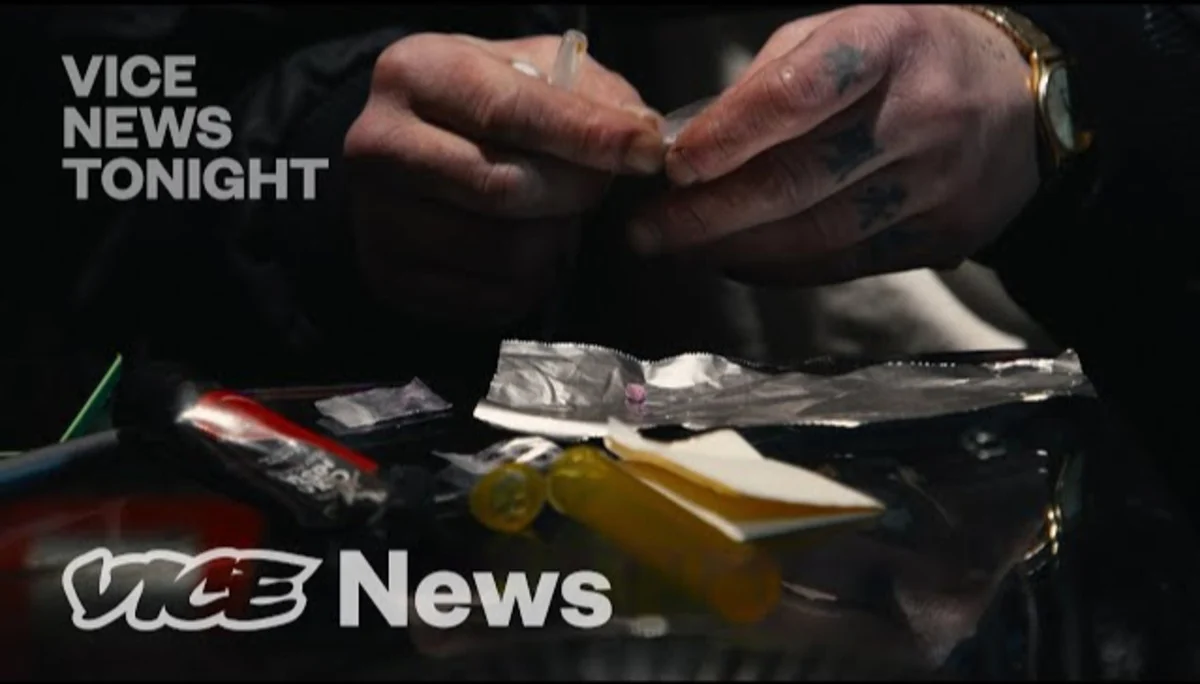
As the unregulated drug supply becomes increasingly unpredictable, new combinations of synthetic substances are making overdoses more difficult to prevent and treat. This documentary investigates the emergence of "benzo dope" and "tranq"—street drugs containing fentanyl mixed with benzodiazepines or xylazine—and examines the devastating impact these combinations are having on people, families, healthcare providers, and frontline outreach workers. Through firsthand accounts and expert perspectives, this resource explores how a rapidly changing drug supply is reshaping the overdose crisis and reinforcing the importance of harm reduction, education, and timely access to care.