Angela Kennecke: KELOLAND News Special Report on the Opioid Crisis
Introduction
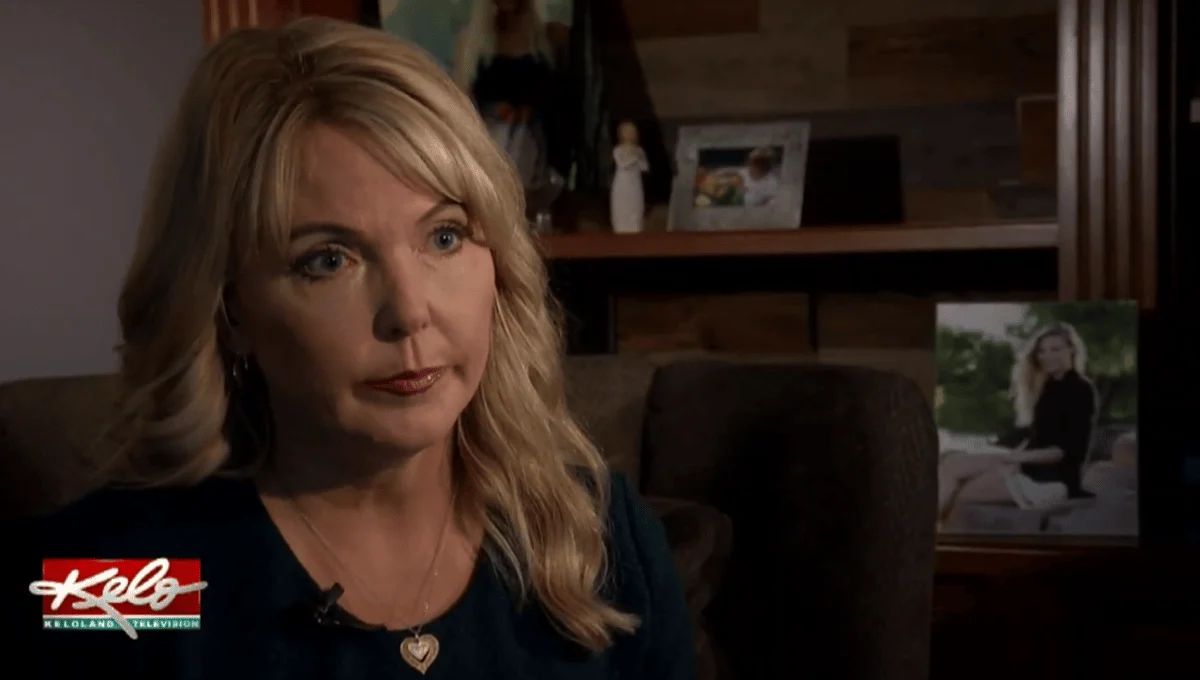
Veteran journalist Angela Kennecke spent years telling stories about addiction and the growing opioid crisis across South Dakota, documenting its impact on families, communities, and lives lost too soon. As a longtime anchor and investigative reporter, Angela built her career uncovering powerful stories of change, accountability, and human struggle—stories that would later take on a deeply personal meaning.
In May 2018, that crisis came into her own life when her 21-year-old daughter, Emily, died from fentanyl poisoning. In the aftermath of that loss, she founded Emily's Hope, turning grief into advocacy and using her voice to fight stigma, raise awareness, and support families facing addiction.
This KELOLAND News Special Report follows Angela Kennecke as she brings both lived experience and investigative reporting into the heart of the opioid crisis. Through the voices of families, responders, and community workers, it reveals the human cost behind the statistics—and the fragile hope that still remains in the fight to save lives.
Angela Kennecke
Share This Resource!
Share This Resource!
Quotes
"We don't know who it's going to affect next. Drugs aren't just for poor people. Drug addiction affects everyone, socioeconomics plays no part in it."
"It was soon pretty evident that the whole drug culture was pretty attractive to her, and I was really concerned as a mom. It's hard to know what to do. I really feel for everyone out there who has a child that has an addiction problem because you don't know where to turn and there's so much stigma surrounding this – it's hard to even talk to other people about it."
"Fentanyl, I believe, is the most radical change in drug trafficking that we've ever seen in this country. What you're seeing is that this is now the go-to additive – it's a very, very cheap, extraordinarily potent, extremely profitable additive you can put in anything."1
"You don't wake up in the morning saying, Geez I hope something happens to my child because I want to be an advocate for something, but it puts you in a spot where you're left with nothing but that choice to make a difference so that your child didn't die in vain. I never wanted to think that Ryan's life did not matter."

"I've set up a fund called Emily's Hope because I never gave up hope on my daughter. I want her life and her tragic death to at least give someone else hope."
"Good Samaritan Laws are supposed to protect friends who are using together when something goes terribly wrong. South Dakota put one on the books in 2017, yet people continue to overdose and die because those around them are too afraid to call police."2,3
"Drug Court has been combining supervision, treatment, counselling, and support since 2011 … there is a team made up of attorneys, law enforcement, treatment counsellors and more to help the people who come here."4,5
"If you're not really ready to stop, none of these things are going to help anybody. You literally have to hate this with everything that you have, that's the only way you'll ever stop."
"If he were to slip up – he might – that doesn't mean that you're a failure and you start over at day zero. You just get back up and continue walking."
"The old model for addiction was always total abstinence. In this case, we're not saying use opioids. We're saying we need to use another medication to help that person deal with this so they can move on. Otherwise, it's almost impossible for some people to get off of these on their own."6
1 Fentanyl has made today's illicit drug supply significantly more dangerous because it is often mixed into other substances — including heroin, cocaine, methamphetamine, and counterfeit pills — sometimes without the user's knowledge. Due to its extreme potency, even small amounts can be lethal, and DEA testing has found that many counterfeit pills contain potentially fatal doses of fentanyl.
2 SDCL § 20-9-4.1 shields trained emergency responders, police, firefighters, and everyday citizens from civil liability for damages when they voluntarily provide good-faith emergency care during a crisis.
3 SDCL §§ 34-20A-109 to 113 provide limited immunity from certain drug possession and use charges for individuals experiencing an overdose or bystanders seeking emergency medical assistance, provided they remain at the scene and cooperate with responders.
4 South Dakota treatment courts aim to reduce substance use and recidivism, improve public safety through treatment and community integration, reduce reliance on incarceration, and help participants build stable lives through recovery, employment, parenting, and long-term community support.
5 Modern drug courts began in Miami-Dade County in 1989 as an alternative response to substance use-related offenses and expanded to more than 2,100 programs across the United States by 2011, combining treatment, supervision, and regular court involvement to support recovery and reduce repeat offending.
6 Historically, many U.S. addiction treatment models and drug policies emphasized abstinence as the primary goal of recovery. Modern harm reduction approaches emerged later through advocacy efforts during the HIV/AIDS crisis of the 1980s and included strategies such as methadone treatment and syringe exchange programs aimed at reducing overdose and disease transmission.
Continue Learning
Explore the topics covered in this resource with the links below. Whether you're looking for a quick overview, an in-depth article, or another video, these resources can help deepen your understanding. If there's a topic you'd like to see covered or you're looking for something specific, feel free to contact me.
Explore the topics covered in this resource with the links below. If you're looking for something specific or have a suggestion, feel free to contact me.


Share Your Review
Your perspective matters. By sharing your honest thoughts, you can help others understand what this resource is really like beyond a simple summary. Whether it resonated with you, challenged your thinking, or wasn't what you expected, your feedback helps build a more useful and transparent collection of addiction and mental health resources.
Your perspective matters and helps improve this collection of addiction and mental health resources.
There are no reviews yet. Be the first one to write one.