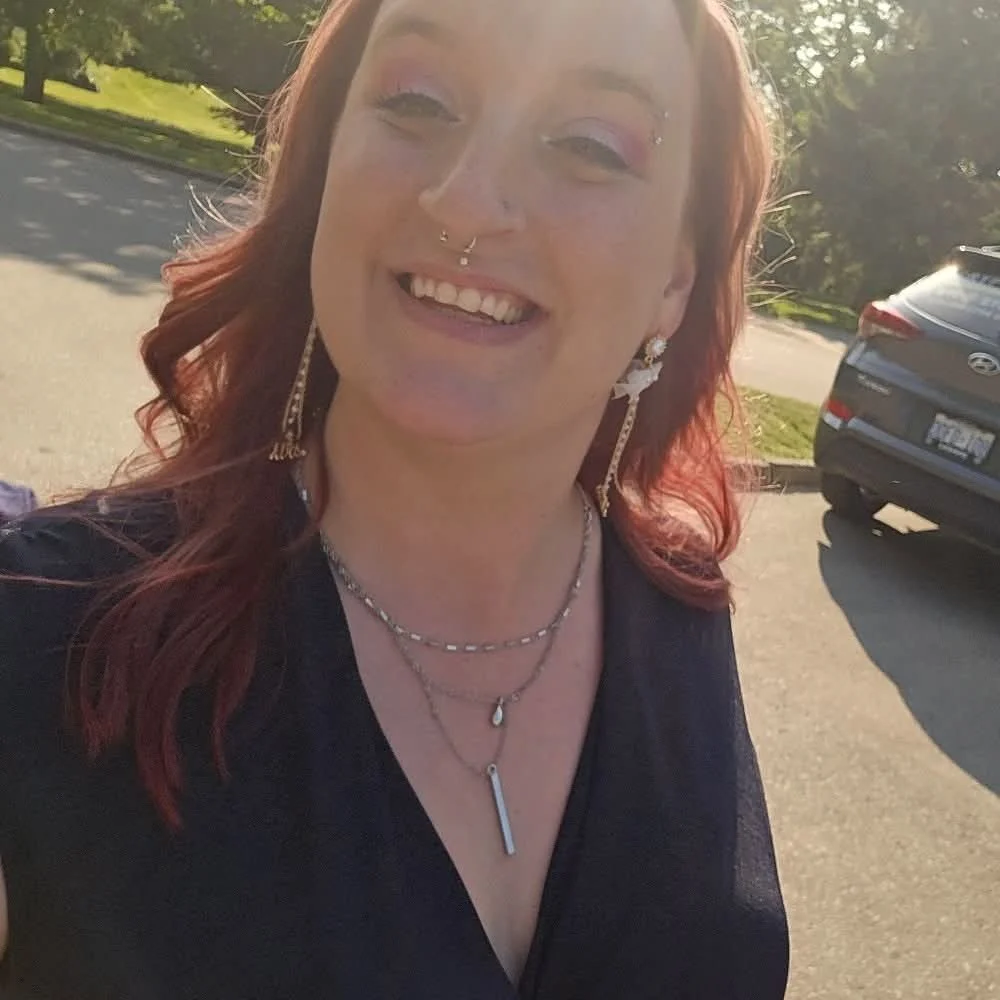
Brian Hatch: From Gambling Addiction to Recovery
Introduction
After spending 14 years struggling with gambling addiction and repeated relapses, Brian Hatch found hope in recovery by speaking openly about his experiences and helping others do the same. Bet-free since 2014, he launched ALL IN: The Addicted Gambler's Podcast in January 2015, creating one of the first podcasts hosted by a compulsive gambler in recovery and dedicated entirely to gambling addiction, recovery, and lived experience.
In this conversation, Brian reflects on the financial, emotional, and psychological impact gambling had on his life while discussing relapse, recovery, and the role Gamblers Anonymous played in helping him rebuild. Drawing from both his personal journey and years of interviewing people affected by gambling harm, he offers a message of hope for anyone struggling with gambling addiction or supporting someone who is.
Additional Resources:
Share This Resource!
Share This Resource!
Quotes
"They sent me the information, and it was these 20 questions. It's the same 20 questions you're asked if you go to a Gamblers Anonymous meeting, and in it, it says, if you answer yes to 7 or more, you have a gambling problem."
"I got complacent in my recovery … eventually I just decided, well, I don't need Gamblers Anonymous, I'm fine, I can do this on my own."
"I stayed away from GA because there was shame about returning and changing my date, which is silliness. You shouldn't worry about that at all. Gamblers Anonymous expects that you're going to have a recurrence and need to come back to the room … as long as you don't place a bet today, that's what matters."
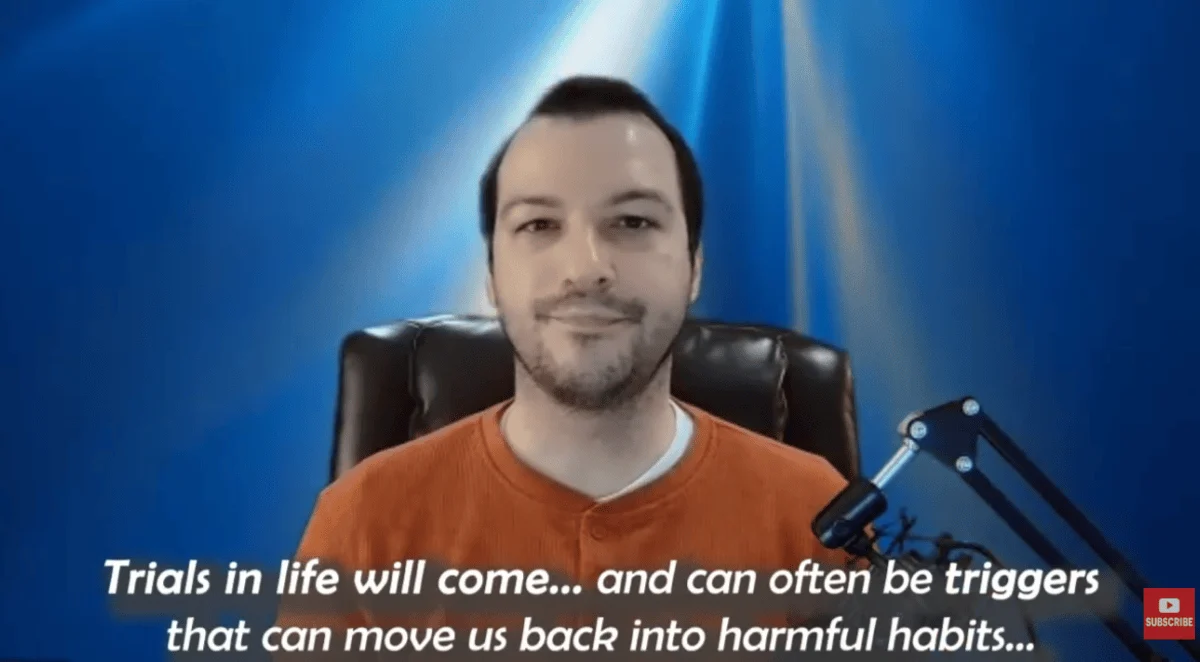
"My dad died suddenly and I went to a Gamblers Anonymous meeting that night because I knew better. I knew that it would make me want to gamble. I knew that gambling would make me feel better about him dying."
"I didn't have a good time, but I just was there because I was addicted and I was compelled to gamble."
"It not only affects you mentally, but it affects your wallet and our livelihood is money, and if you don't have any, you're not exactly looking for a livelihood anymore. You're not looking to be alive if you can't function in life. Gambling has the highest rate of suicidality than any other addiction."1
"Gambling is known as the hidden addiction – you can't see the physical signs of it … it's very easy to hide."
"It ends when you have no money and that's the sad part. If you're addicted, you're not going to stop until you're out of money, until you can stop funding your addiction … you're going to keep playing until you're out of money because you're convinced that you will win and you are convinced that if you win, all your problems are solved."
"I can never win because I can't leave. Even if I do win a jackpot or money of some amount, I'm gonna give it right back because it's all just to fund the gambling … I'm gambling for the rush."
"The solution for me is to reduce accessibility. Like a bar, a casino should close, an online gambling operator should close, because that's the only way you get these people who are addicted off without them losing everything they have."
1 Gambling disorder is associated with a substantially elevated risk of suicide, but current evidence does not establish it as having the highest suicide risk of all addictions. A large Norwegian cohort study found that people with gambling disorder had more than five times the suicide mortality of the general population, while their risk was lower than among patients with substance use disorders and alcohol dependence.
Continue Learning
Explore the topics covered in this resource with the links below. Whether you're looking for a quick overview, an in-depth article, or another video, these resources can help deepen your understanding. If there's a topic you'd like to see covered or you're looking for something specific, feel free to contact me.
Explore the topics covered in this resource with the links below. If you're looking for something specific or have a suggestion, feel free to contact me.



Share Your Review
Your perspective matters. By sharing your honest thoughts, you can help others understand what this resource is really like beyond a simple summary. Whether it resonated with you, challenged your thinking, or wasn't what you expected, your feedback helps build a more useful and transparent collection of addiction and mental health resources.
Your perspective matters and helps improve this collection of addiction and mental health resources.
There are no reviews yet. Be the first one to write one.