Methadone Mile: Inside Boston's Drug Epidemic
Introduction
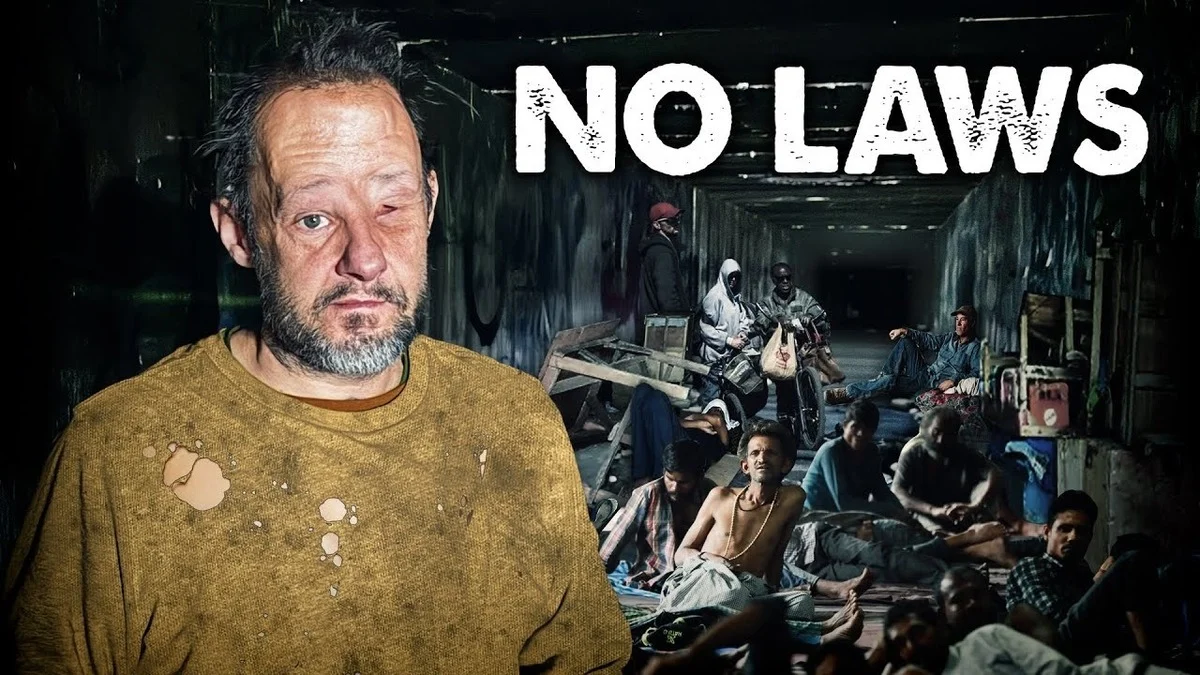
Methadone Mile, also known as Mass. & Cass or Recovery Road, has become one of the most visible centers of the opioid crisis in the Boston region. What began as an area concentrated with addiction services has evolved into a place where people seeking recovery exist alongside open drug use, homelessness, and street-level dealing. For many, it represents a public health emergency unfolding in plain sight—where support systems and relapse triggers sit side by side.
This video explores that reality through the people who live and work within it. From Harvard-affiliated doctors to street-level dealers and individuals struggling to survive addiction to those now helping others recover, it captures the full spectrum of life on Methadone Mile. Their experiences reveal how easily the line between treatment and relapse can blur in an environment built around both.
As the story unfolds, the video looks deeper into how this area came to exist in its current form, including the role of policy decisions and infrastructure changes that pushed vulnerable populations into one place.1 What emerges is a clearer understanding of how complex and difficult recovery becomes when the systems meant to help are surrounded by the very conditions that keep people stuck.
Additional Resources:
Share This Resource!
Share This Resource!
Quotes
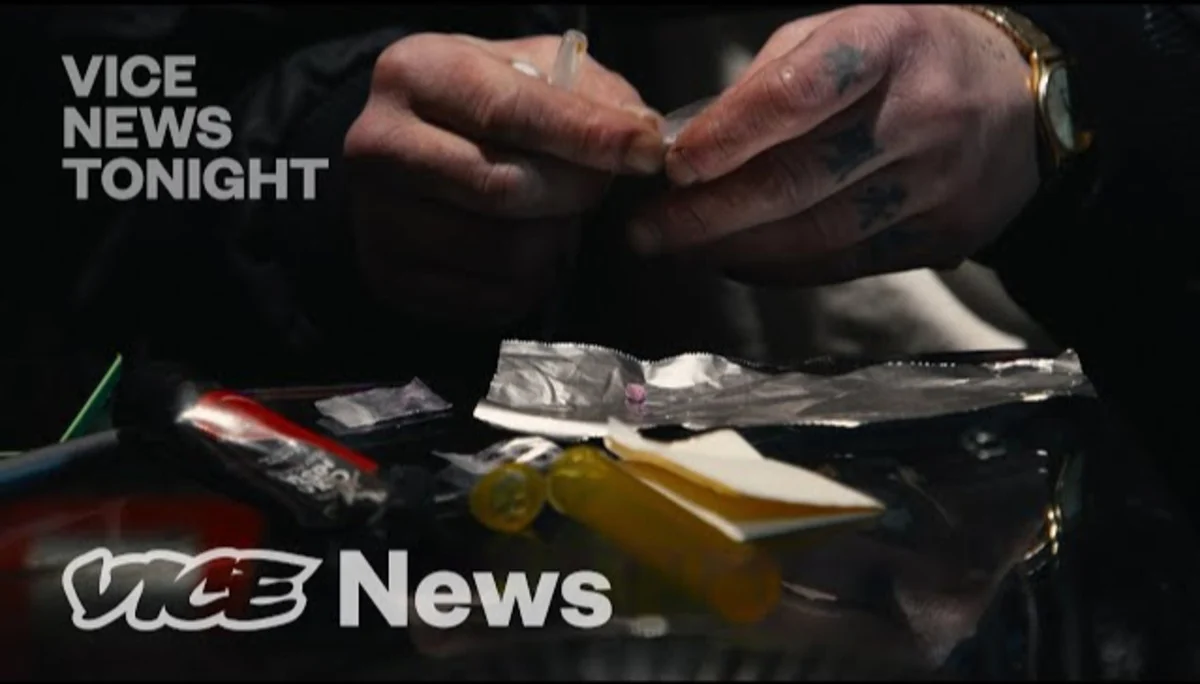
"In the 90s, big Pharma flooded the market with pain pills, getting millions hooked and walking away with billions of profit, all while facing little to no consequences. But the aftermath of what they did is still visible in the streets of Boston today. In this open-air drug market, crack, fentanyl, meth, and xylazine tablets are as cheap as a few dollars a day, and here in these streets people are trapped in a grim and brutal cycle of addiction."2
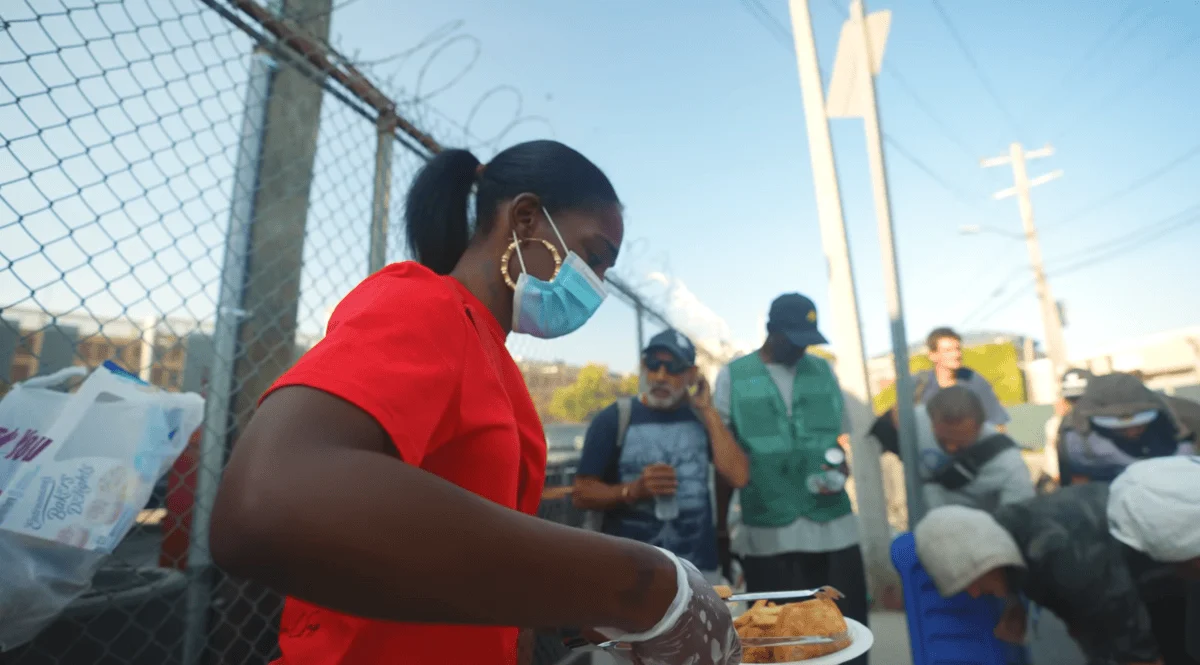
"Two of my uncles and my cousin are out here right now. I'm hoping I can run into them. Right now, I'm spreading love through food."
"I've been selling drugs since I was like 12. I learned how to chef when I was like 16. There's always a bunch of risks but that's what comes with it. You got to take risks to get rich – that's my motto."
"Opioid withdrawals are often so intense that they stop people from even trying to detox. But instead of enduring the agony of going cold turkey, many users turn to the synthetic opioid methadone. While some say it's just another drug for users to get hooked on, others celebrate methadone's ability to reduce substance cravings and withdrawal symptoms."
"It honestly saved my life. I've been on drugs on and off for 10 years. I tried Suboxone, Sublocade, Vivitrol, all the shots. I've noticed methadone is the one that really helped me the most."
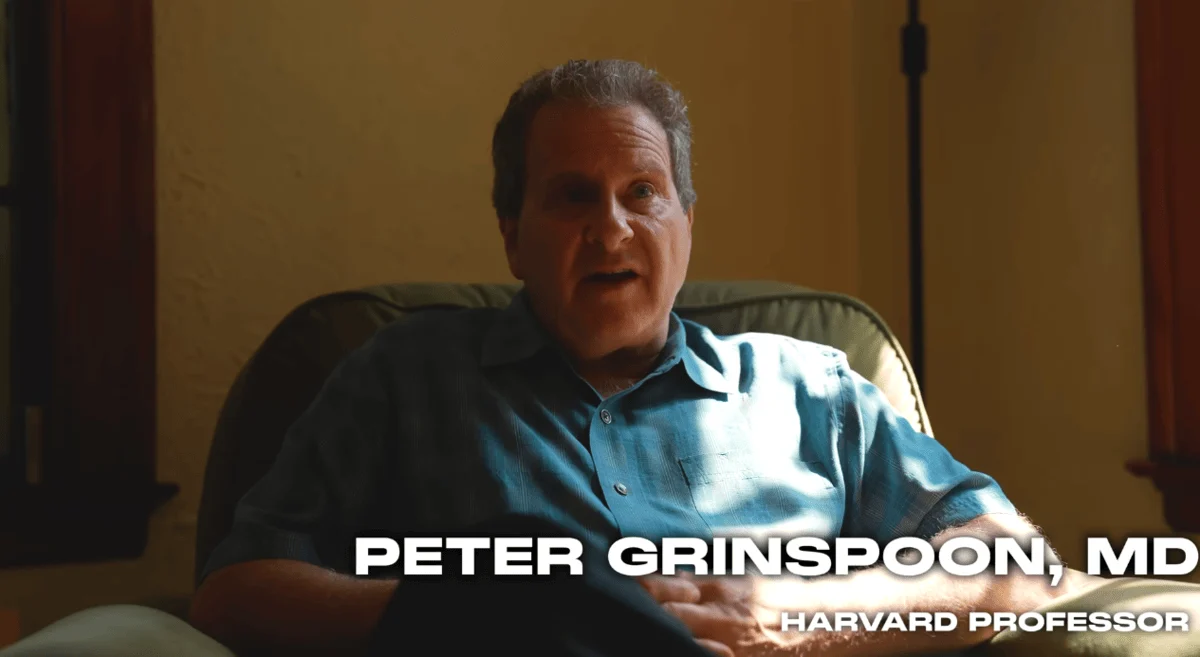
"Addiction has to do, a lot of times, with untreated trauma or untreated anxiety and depression in your life. These people need mental health care. I don't know how these people manage to do it if they're living on the streets – no health insurance, no job, no supportive community. We've really got to meet them where they are … getting them on medical therapy is the first step and making sure they're not going to overdose."
"The recovery process off of opiates is awful ... First of all, you're physically addicted and it's miserable to come off the opiates ... When you get addicted, your emotional connection, unfortunately, becomes with the drug itself and you tune out other people. So, the minute you take the drug away you're very lonely and you're just kind of stuck in this awful place. And third of all, you're dealing with all the chaos that you've created in your life."
"I had a bad vision of harm reduction before, but I think now the scope is, we'd rather have the person alive on harm reduction than pass away. My only thing with harm reduction is most people get on it, but they struggle to get off."3,4
"It feels almost like we're watching the decay of America in slow motion. I mean, we're this rich, prosperous country but we have these cities with all these addicts out in the street. We have abandoned buildings with wooden boards over the windows. It's almost embarrassing because when most countries think of America, they don't think of this."
1 "Mass and Cass" (Massachusetts Ave and Melnea Cass Blvd) became a central hub for Boston's opioid crisis following the 2014 abrupt closure of the Long Island Bridge, which housed 800+ people in shelters and treatment programs. Its closure forced residents back to the city's, specifically the South End's, existing service providers, causing a concentrated encampment area.
2 Opioid pharmaceutical marketing, led by Purdue Pharma's 1996 launch of OxyContin, aggressively promoted long-acting opioids for chronic non-cancer pain, shifting from strict, short-term usage paradigms. Misleading tactics—including overstating safety, downplaying addiction risks, and funding biased educational materials—drove widespread prescribing, fueling a major public health crisis, resulting in exponential overdose increases, and leading to billions in corporate settlements.
3 Harm reduction is grounded in a set of public health principles that emphasize pragmatism, respect, and human rights. It recognizes that drug use exists across societies and focuses on reducing harm rather than eliminating use entirely. Core principles include meeting people where they are without requiring abstinence, providing non-judgmental and voluntary services, prioritizing individual health and well-being, and involving people who use drugs in the design and delivery of policies and interventions that affect them.
4 Clinical evidence shows that discontinuing opioid agonist treatments such as methadone or buprenorphine is associated with high relapse rates, particularly when tapering occurs too quickly or without adequate support. Long-term maintenance therapy has been consistently linked to improved stability and reduced mortality, and for many individuals, ongoing treatment is recommended due to the chronic, relapsing nature of opioid use disorder.
Continue Learning
Explore the topics covered in this resource with the links below. Whether you're looking for a quick overview, an in-depth article, or another video, these resources can help deepen your understanding. If there's a topic you'd like to see covered or you're looking for something specific, feel free to contact me.
Explore the topics covered in this resource with the links below. If you're looking for something specific or have a suggestion, feel free to contact me.





Share Your Review
Your perspective matters. By sharing your honest thoughts, you can help others understand what this resource is really like beyond a simple summary. Whether it resonated with you, challenged your thinking, or wasn't what you expected, your feedback helps build a more useful and transparent collection of addiction and mental health resources.
Your perspective matters and helps improve this collection of addiction and mental health resources.
There are no reviews yet. Be the first one to write one.