It Impacts Us All
Introduction
The opioid crisis in Florida claims at least five lives each day, while across the United States, one person dies from a drug overdose every few minutes.1 The likelihood of dying from an accidental opioid overdose—from prescription painkillers to heroin and fentanyl—has now surpassed that of dying in a car crash.2
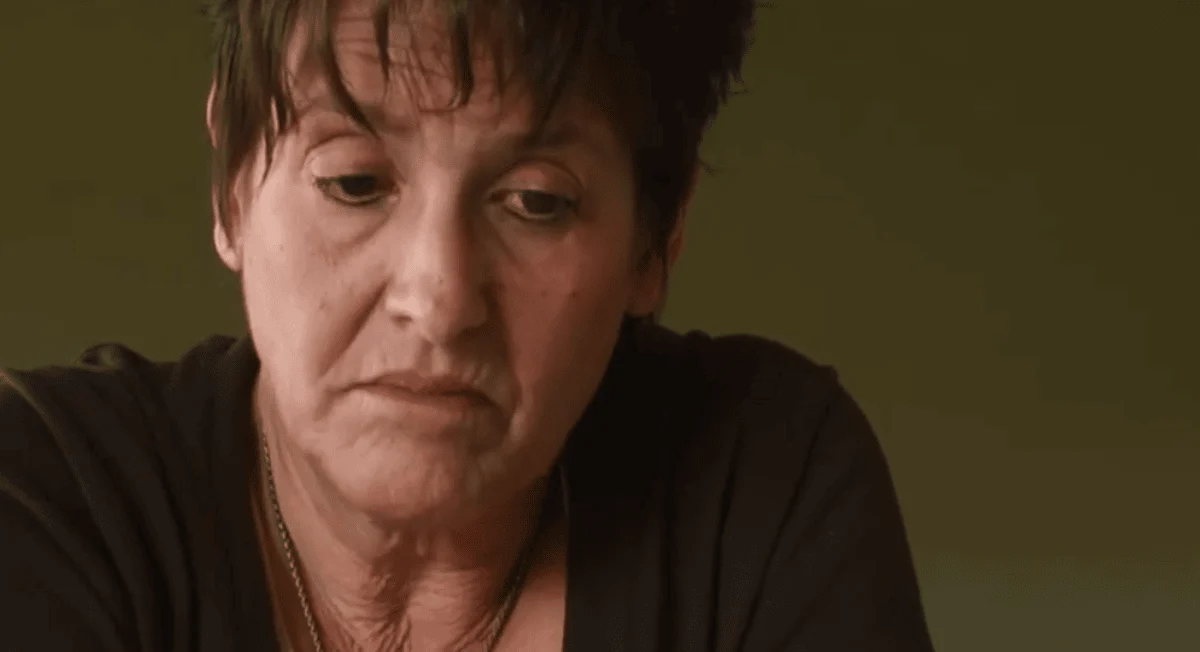
It Impacts Us All tells the story of one community determined to challenge these devastating statistics and fight back against the opioid crisis in Orange County, Florida. Through the experiences of people in recovery, grieving families, healthcare professionals, law enforcement, and community organizations, it explores the far-reaching impact of opioid addiction while highlighting the collaborative efforts being made to prevent overdoses, expand access to treatment, reduce stigma, and save lives.
Additional Resources:
Share This Resource!
Share This Resource!
Quotes
"An opioid is a class of drugs which binds to certain areas in the brain that help control pain and alleviate pain. They're all essentially derived from the poppy plant … an innocent little plant that produces a milky fluid, a natural juice called opium which is the essence of heroin – the most destructive narcotic man as ever devised."
"I do not agree with the statement made here today that Purdue has marketed Oxycontin aggressively, that is simply not the case. We have not promoted this product as less abusable and we have not promoted it as a substitute for less abusable opioids."
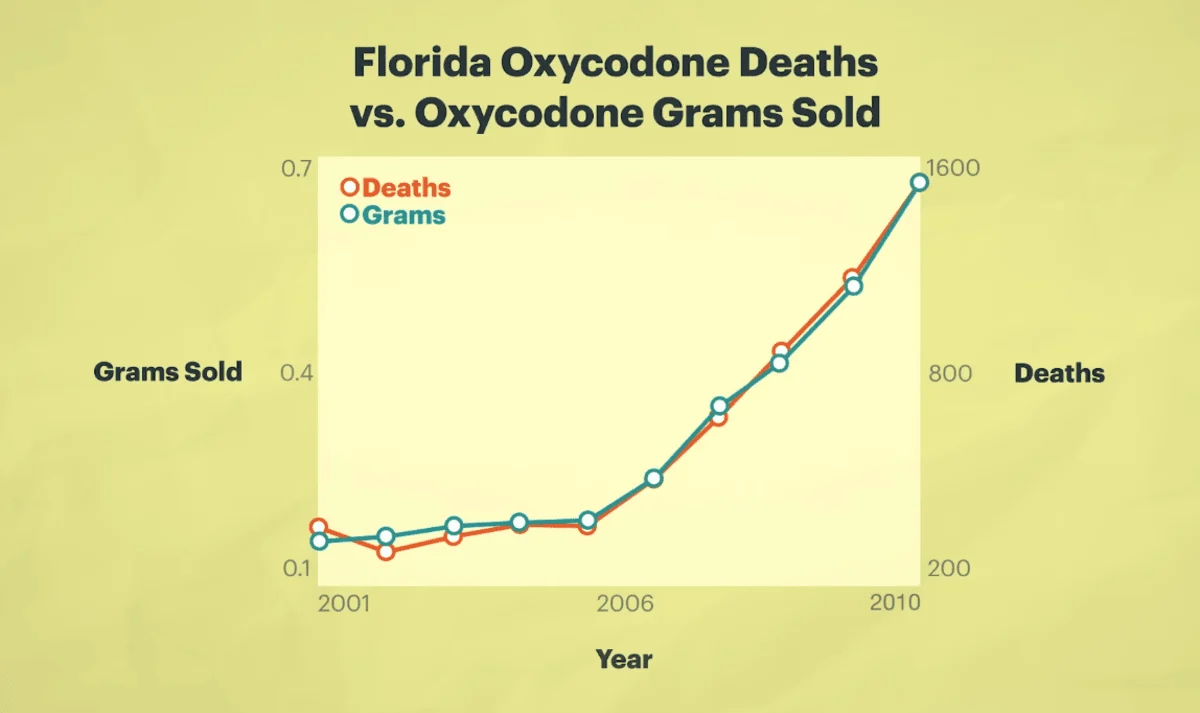
"We plotted out [Oxycodone] deaths in Florida, and we correlated it with the grams that have been prescribed and distributed legally. You don't see correlations like this in biostatistics, where we had a 99% correlation."
"Something had to step in and fill that void. You essentially created a bunch of people that became addicted to pain medication and now didn't have the ability to get anything for it. What happened? Drug dealers got smart, said what can we do fill that void – they slid in heroin. Heroin was what we were dealing with in 2014 … towards the end of 2015 is when we say synthetic fentanyl."3
"As few as three days of being on a prescription drug can lead to chronic opioid addiction. As of 2018, Florida requires most opioid prescriptions to have a three-day limit."4
"We understand that the user is an addict, that the user has a sickness and I would no more make fun of or accuse someone who has cancer of being a 'dirt bag' than I would someone who has a drug addiction. We have to change that stigma; we have to look at them differently."
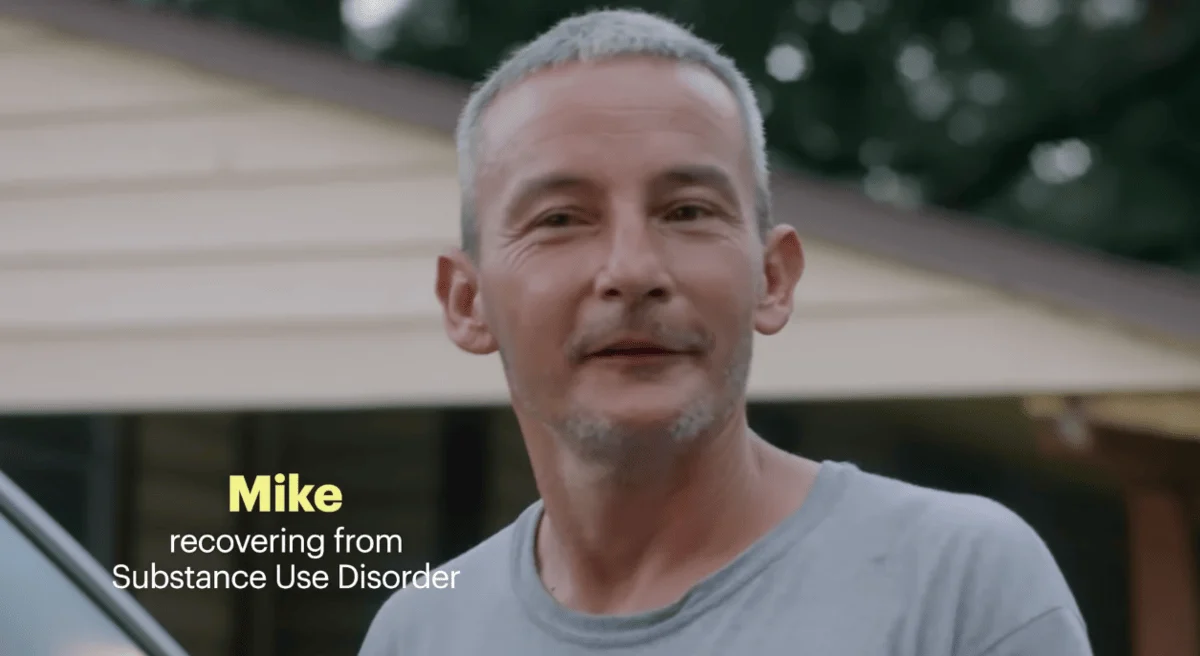
"I've got kids and I know they suffer because of my addiction and that's my main reason for wanting to change. They don't deserve not having a father like they should because I've got an addiction."
"It's like this full-time job where I wake up in the morning, I'm already feeling sick and I already have to figure out what I am going to do today to manage to get the drugs that I have to get."
"The biggest thing that I was ever ashamed of has given me the most purpose in life, which is to help other people that are in the same position that I was in. As much as I helped them, it helps me tremendously to be able to do that and just to know that if I'm not careful, I could end up right back in their shoes."
1 While this documentary reflects the severity of the opioid crisis in 2020, more recent data shows some improvement in Florida. According to the Florida Medical Examiners Commission's 2024 report, opioid-related deaths in the state declined by 26% compared with 2023, though more than 5,300 opioid-related deaths were still recorded, underscoring the continued impact of the crisis.
2 The National Safety Council reported that the lifetime odds of dying from an unintentional opioid overdose in the United States are approximately 1 in 84, compared with 1 in 101 for a motor vehicle crash. The organization notes these figures are population-wide statistical averages and do not predict an individual person's specific risk.
3 Researchers describe the rapid spread of illicitly manufactured fentanyl between 2013 and 2015 as the "third wave” of the opioid crisis. During this period, fentanyl increasingly entered the heroin supply because of its low production cost and extreme potency, eventually replacing or heavily contaminating heroin markets in many U.S. cities.
4 Florida's House Bill 21, which took effect on July 1, 2018, limited most Schedule II opioid prescriptions for acute pain to a three-day supply, with a seven-day exception permitted when medically necessary and properly documented. The law was introduced as part of broader efforts to reduce opioid misuse and addiction risk.
Continue Learning
Explore the topics covered in this resource with the links below. Whether you're looking for a quick overview, an in-depth article, or another video, these resources can help deepen your understanding. If there's a topic you'd like to see covered or you're looking for something specific, feel free to contact me.
Explore the topics covered in this resource with the links below. If you're looking for something specific or have a suggestion, feel free to contact me.

Share Your Review
Your perspective matters. By sharing your honest thoughts, you can help others understand what this resource is really like beyond a simple summary. Whether it resonated with you, challenged your thinking, or wasn't what you expected, your feedback helps build a more useful and transparent collection of addiction and mental health resources.
Your perspective matters and helps improve this collection of addiction and mental health resources.
There are no reviews yet. Be the first one to write one.