A Second Shot: Drug Addiction in Afghanistan
Introduction
A Second Shot offers a stark look at addiction in Afghanistan inside Ibn Sina, one of Kabul's largest drug rehabilitation centres. The documentary follows residents as they endure the physical and emotional challenges of withdrawal while adjusting to life inside the centre.
The documentary also follows Babrak, a former mujahideen fighter who now helps residents alongside a small and under-resourced medical team. Together, they work to provide treatment despite limited medication, scarce resources, and an uncertain future, offering a stark look at the human consequences of addiction and the challenges of recovery in Afghanistan.
What Happened to Ibn Sina?
Since A Second Shot was released, reports have continued to raise concerns about Afghanistan's compulsory drug rehabilitation system, including allegations of forced detention, inadequate medical care, food shortages, physical abuse, and compulsory labour.
In March 2026, the Ibn Sina rehabilitation centre in Kabul was struck during Pakistani airstrikes, causing extensive destruction and killing and injuring patients and staff. Pakistan maintained that it had targeted military and terrorist infrastructure, while Afghan authorities said the drug treatment facility was struck. A later Amnesty International investigation found no evidence that the facility was being used for military purposes and called for an independent investigation into the attack.
Additional Resources:
Share This Resource!
Share This Resource!
Quotes
"In life, the one thing that's worse than misery and desperation is poverty. It leads you to stop believing in God and fall into unemployment. Everything is due to poverty."
"The plan for today is to round up some addicts. The area we're heading to is known to security forces. We're going to round them up and head to the hospital. That's all we can plan for now. We'll know more when we come back."
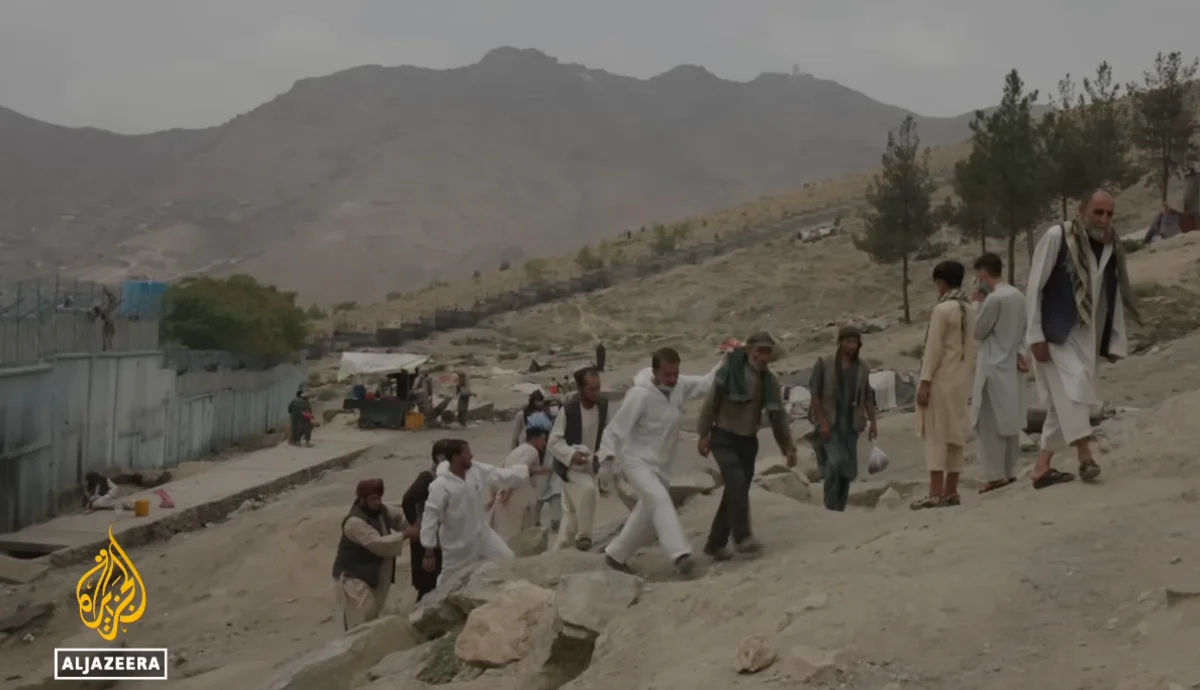
"I think Afghanistan is cursed. Every day, more and more people are becoming addicts because of the country's collapsed economy. I know what I'm talking about. I used to be an addict myself. Every day, the number of addicts is growing and there's no solution in sight."
"In my opinion, drug addiction is completely forbidden in Islam. It's totally forbidden. I still stand by my promise. Drugs are completely forbidden, not only in our capital, Kabul. We want to put an end to addiction in the 34 provinces. We want to reduce it to zero. Cultivating it, selling it and smoking it."
"The people we bring from outside are completely destitute. They can't wash themselves; they only consume drugs. There are no facilities out there to take a shower and to stay clean."
"I have four children, two sons and two daughters. They're with their mother at home. My two older brothers are paying for my family's expenses. I was going around the city pickpocketing people finding money for my addiction, taking drugs and sleeping anywhere I lay down. When I cross the road, even the children shout, "powder addict". That's not a good life."
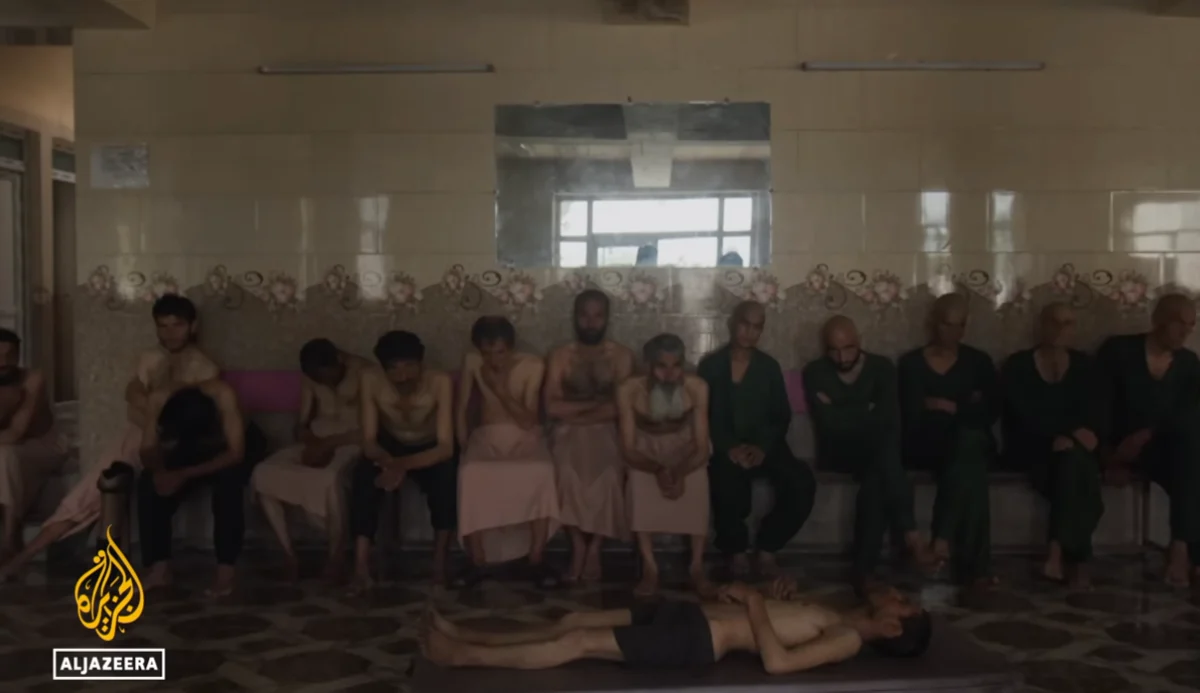
"In the first 15 days, the patients are very aggressive. They curse the doctors and staff. Sometimes, they commit suicide and a lot of other stuff. You have to be very strict. Maybe hundreds of people have cursed me for being like that. But that's okay because I know they'll be better after 10 to 15 days. And after 45 days, they're fully recovered."
"When you stop using, you forget everything. It's like the beam of a torch in the dark, you only focus on one thing, the drug. If you quit, you can't control your nostrils, you can't control your tears. Your whole body stops functioning."
"International aid has been significantly reduced since the Taliban takeover. The Ibn Sina hospital struggles to stay open and only a handful of medical staff continue to work there. Addicts have to suffer withdrawal without medication."1,2
"There are a growing number of addicts in rural areas and in the north and I've seen more women addicted to opium as well, but I don't know the exact numbers that the world community or the UN have estimated."3
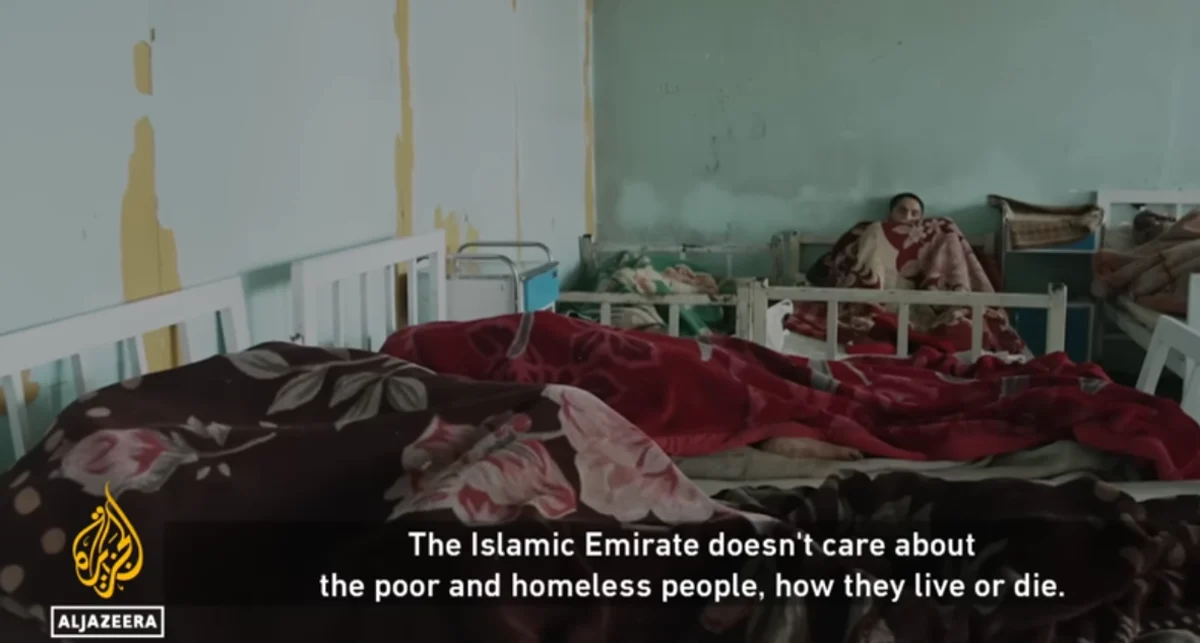
"There isn't enough to provide for them. We bring them everything we can so that they can eat. If the world community cuts off the money supply to Afghanistan, they will be the first to suffer."
"The government didn't force you to take drugs, neither this one nor the previous one. So, this shows a weakness of the person. When your mind is weak, you do this. God created humans with free will. That means you can choose the right way or the wrong way ... you should not blame your sins on someone else."
1 Afghanistan's healthcare system has faced severe strain since 2021, with hospitals and clinics reporting shortages of funding, staff, and medical supplies.
2 Reports from Afghanistan describe addicts being forcibly detained and undergoing withdrawal in overcrowded facilities without access to standard medical treatments such as methadone or counseling typically used in opioid withdrawal management.
3 Recent UNODC assessments indicate widespread drug use across Afghanistan, including in rural and northern regions, with documented high-risk use among women and children and a significant concentration of use in public drug-use hotspots.
Continue Learning
Explore the topics covered in this resource with the links below. Whether you're looking for a quick overview, an in-depth article, or another video, these resources can help deepen your understanding. If there's a topic you'd like to see covered or you're looking for something specific, feel free to contact me.
Explore the topics covered in this resource with the links below. If you're looking for something specific or have a suggestion, feel free to contact me.

Share Your Review
Your perspective matters. By sharing your honest thoughts, you can help others understand what this resource is really like beyond a simple summary. Whether it resonated with you, challenged your thinking, or wasn't what you expected, your feedback helps build a more useful and transparent collection of addiction and mental health resources.
Your perspective matters and helps improve this collection of addiction and mental health resources.
There are no reviews yet. Be the first one to write one.