Inside Canada's Fentanyl Overdose Epidemic
Introduction
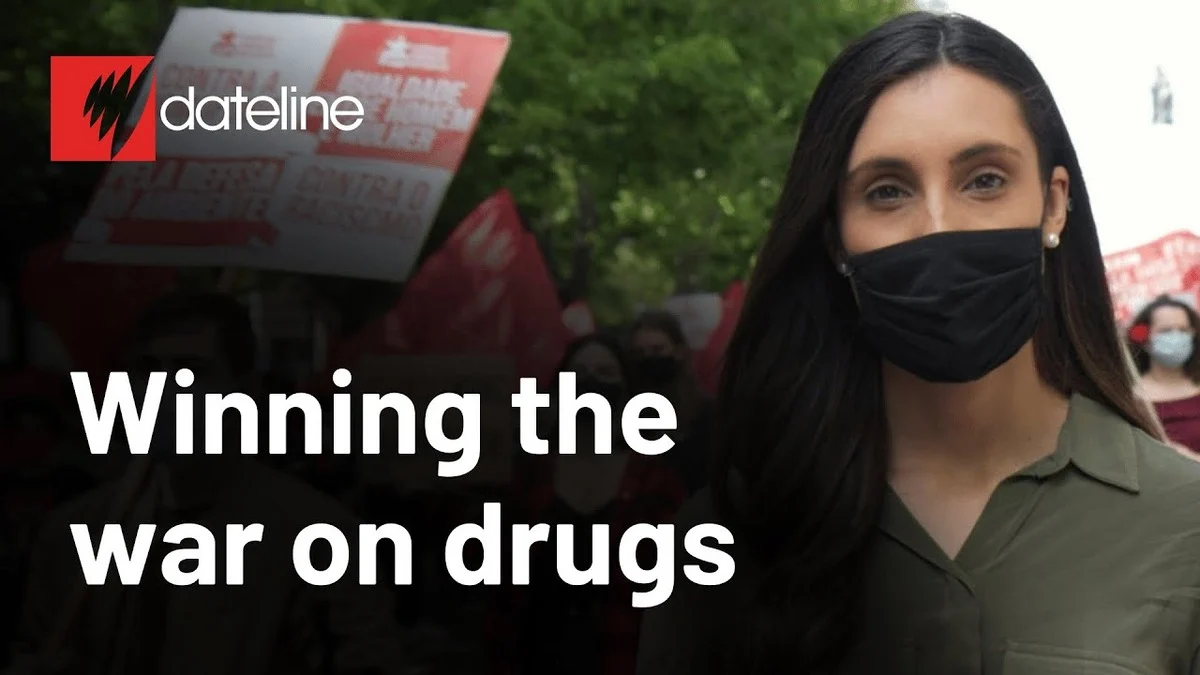
SBS Dateline, a long-running Australian current affairs programme focusing on international news and issues, examines the growing toll of fentanyl overdoses in Canada and the impact the crisis is having on families and communities.
Inside Canada’s Fentanyl Overdose Epidemic looks at the increasingly toxic drug supply and the growing presence of fentanyl in other substances, including counterfeit pills. The program follows families affected by overdose and visits frontline harm reduction services working to prevent deaths, including supervised consumption and drug-checking programs. Produced for an Australian audience, it uses Canada's experience to examine different responses to the overdose crisis and what Australia can learn from them.
Share This Resource!
Share This Resource!
Quotes
"Beneath these postcard views lies the highest rate of fentanyl death in the country. On average, 6 people die here every day from overdose."1
"Ronan died because fentanyl is getting mixed in with other drugs. In Canada, 15-24 year olds are now the fastest growing group being hospitalized for opioid overdose. I've met five or six other moms like me where their kids were experimenting and died, all in the Vancouver area."2
"To try and save as many lives as he can, Hugh helped set up this overdose prevention site. It's a place where users can do drugs, but under supervision, and get help immediately if they overdose. Australia has just two supervised consumption sites like this, but Canada has almost 40 across the nation. These facilities have become a frontline to reduce the wave of deadly overdose."3
"Easy to hide, addictive, cheap, and potent, fentanyl has become the perfect cutting agent to improve profit margins on everything from heroin to fake prescription pills."
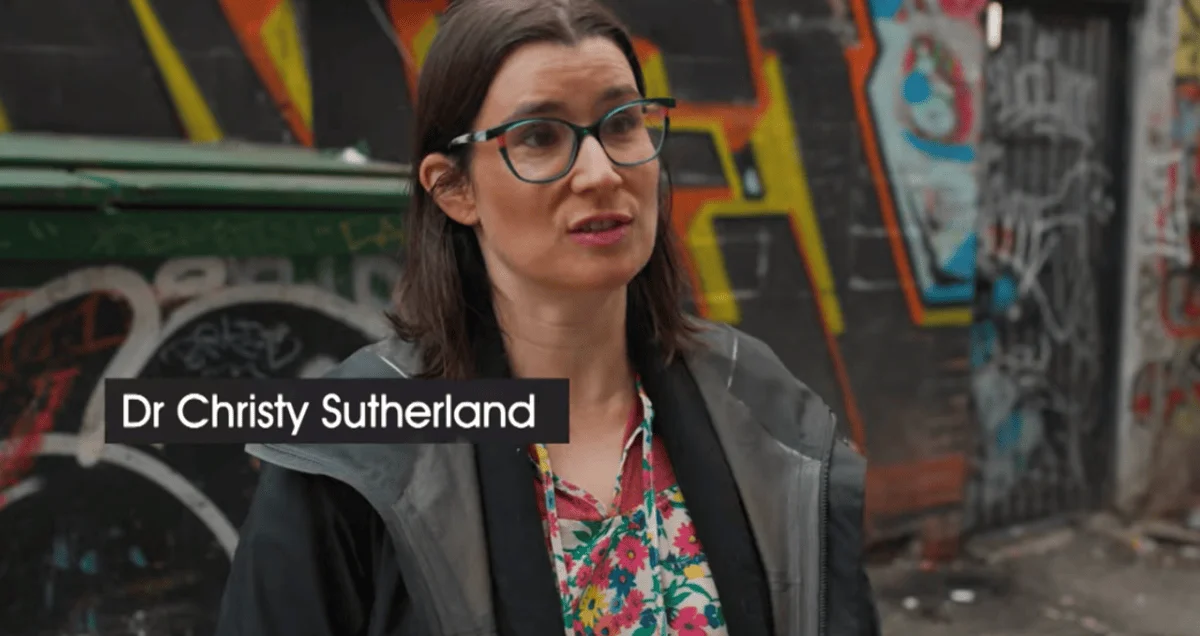
"Most people did not want to transition to fentanyl. It is much more potent than heroin. So, people who were previously acclimatised to heroin, their brain adjusted to this new potent opioid and so that they have a heavier opiate need in order to stay out of withdrawal."
"When my patients are really stuck in a cycle of drug use, they're quite vulnerable. They're vulnerable because of the drug they're buying. They're vulnerable because of engaging with the illicit drug market. So, I was hoping to separate my patients from that ongoing vulnerability that they had by creating this alternate system where they can access drugs in a way that's safer. It's regulated and thoughtful in a way that I hope reduces those public health harms."
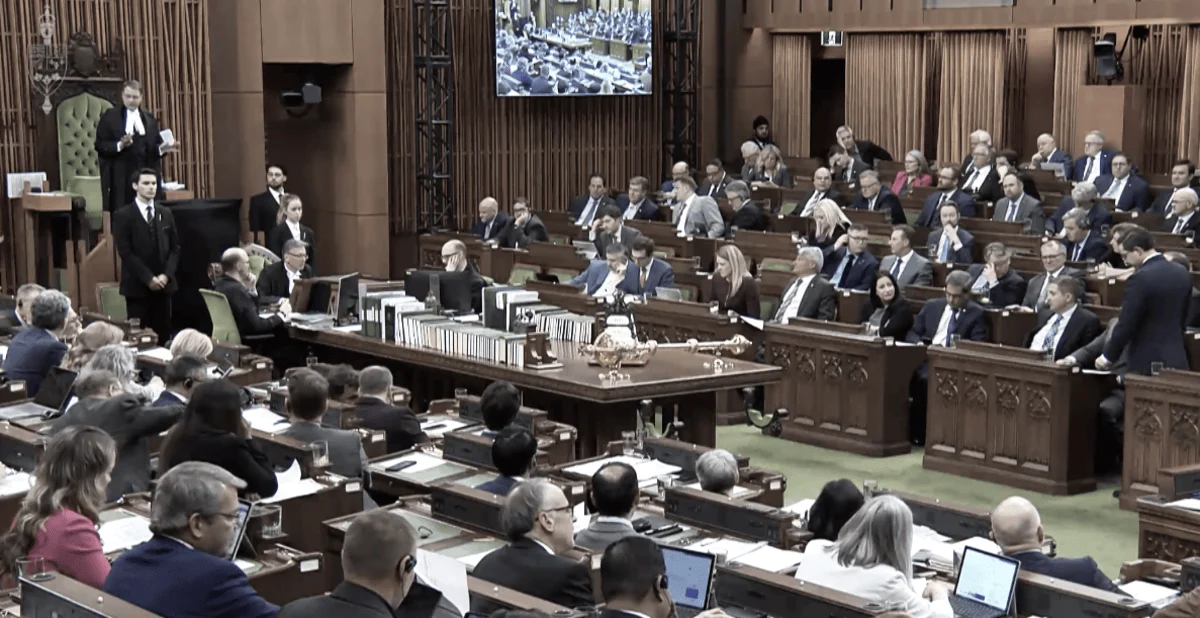
"Canada's conservative opposition leader Pierre Poilievre calls for tougher policing on the illegal supply of fentanyl. He also slams the Trudeau government's possible decriminalization of small amounts of drugs across the country. And beyond just subsidizing deadly drugs, now he wants to decriminalize crack, heroin, cocaine. This policy is insane. It is killing people."4
"Drug User Liberation Front: it's where a select group of users can find illicit drugs free from contaminants like fentanyl. Lots of people don't get their drugs checked, or if they do, it's just once in a while. When people get it from us, they're getting their drugs checked every single time they use."
"People need to know what they're using. They buy something off the street, who knows what it will be cut with? Sometimes they're buying drywall instead of actual drugs, or sometimes their cocaine is cut with pig dewormer."5
"By the written law, no, it's illegal to possess, sell and distribute drugs. But in the context of a public health emergency, which is a legislative tool that public health officials have, we need to do everything we can to stop this."6
"We're not fucking drug dealers. We take a slice of the illicit market. We test it rigorously and then we reintroduce it at cost without turning a profit … in the nine months that this project has been running, no one has overdosed or died from consuming their drugs."
"Moms Stop the Harm: it's a nationwide network with over 3000 members, all of whom have lost someone to overdose."
1 Based on data from the BC Coroners Service as of May 2026, unregulated toxic drugs are causing an average of approximately 4.4 deaths per day in British Columbia. The province continues to report that toxic drug deaths are the leading cause of unnatural death, exceeding the total number of deaths from homicides, suicides, motor vehicle incidents, drownings, and fire-related deaths combined.
2 Canadian research has shown that youth and young adults have been disproportionately impacted by the overdose crisis. In 2016 and 2017, nearly half of all accidental deaths among Canadians aged 18 to 24 were caused by acute toxicity, with opioids such as fentanyl and heroin among the most common contributors. The report also found that many youth who died had experienced trauma, housing instability, or other significant social vulnerabilities.
3 As of early 2026, the landscape of supervised consumption sites (SCS) in Canada is experiencing significant, rapid changes, particularly with the shutdown of many locations in Ontario. While roughly 40 sites were operating nationwide in late 2024, Ontario's policy to close sites near schools and pivot to an abstinence-based model has substantially altered that number.
4 Conservative Leader Pierre Poilievre has faced significant criticism from public health experts, harm reduction advocates, and political opponents regarding his proposals to overhaul Canadian drug policy. His approach focuses on ending "safe supply" programs, closing supervised consumption sites, and redirecting funding toward abstinence-based treatment, a stance critics argue is ideologically driven, scientifically unsupported, and dangerous.
5 Illicit drugs are frequently contaminated or diluted with unknown substances, making the unregulated drug supply highly unpredictable. Cocaine has commonly been found mixed with levamisole, a veterinary deworming drug linked to severe immune system damage and tissue injury, while fillers such as drywall, chalk, and talc are also sometimes used to increase bulk and maximize profits.
6 As of January 31, 2026, the temporary decriminalization pilot program in British Columbia expired and was not renewed, making the possession of small amounts of hard drugs—such as cocaine, methamphetamine, and opioids (including heroin and fentanyl)—illegal again across all of Canada.
Continue Learning
Explore the topics covered in this resource with the links below. Whether you're looking for a quick overview, an in-depth article, or another video, these resources can help deepen your understanding. If there's a topic you'd like to see covered or you're looking for something specific, feel free to contact me.
Explore the topics covered in this resource with the links below. If you're looking for something specific or have a suggestion, feel free to contact me.







Share Your Review
Your perspective matters. By sharing your honest thoughts, you can help others understand what this resource is really like beyond a simple summary. Whether it resonated with you, challenged your thinking, or wasn't what you expected, your feedback helps build a more useful and transparent collection of addiction and mental health resources.
Your perspective matters and helps improve this collection of addiction and mental health resources.
There are no reviews yet. Be the first one to write one.