Addiction: The Science Behind
Introduction
Addiction: The Science Behind is an informative documentary that examines how opioids affect the brain and why addiction is considered a chronic but treatable medical condition rather than a moral failing. Through expert interviews, brain imaging, and personal stories, the film explains how dopamine, cravings, withdrawal, trauma, and genetics all influence substance use disorder.
The documentary also explores evidence-based treatments and harm-reduction approaches, such as supervised consumption services, while emphasizing the importance of compassionate, medically informed care. By focusing on both neuroscience and recovery, it offers viewers a clearer understanding of the science behind addiction and the realities of opioid use disorder.
The Science Behind Addiction
Decades of scientific research have made one thing clear: addiction is not a moral failing, but a medical condition that changes the brain and behavior. This knowledge has opened the door to treatments and prevention strategies that can save lives and ease the burden on families and communities.x
Additional Resources:
Share This Resource!
Share This Resource!
Quotes
"Opioids, like OxyContin, are chemically similar to morphine, found in the opium of the poppy plant. They mimic the body's natural pain relievers, like endorphins, which bind to proteins, called receptors, calming pain and inducing euphoria. Prolonged opioid use can alter the brain and lead to addiction, manifested by cravings and compulsive drug use despite negative consequences."
"Addiction runs in families, and studies suggest that genes play a role in determining one's risk. Addiction is a complex disorder, and as a complex disorder, there's not one addiction gene. It's multiple genes and multiple other factors that interact with your genetics that increases risk."
"The reward pathway in the brain, primarily controlled by a chemical messenger called dopamine. Dopamine tells your brain to pay attention, that whatever it just experienced is worth getting more of. It's released by endorphins or when we encounter anything pleasurable or exciting – especially drugs that can push dopamine levels 10x higher than normal. As drugs raise dopamine levels, they also alter the connections between brain cells, creating memories of euphoria that trigger fierce cravings."
"When opioids are abruptly stopped, stress hormones are released at catastrophic levels. This imbalance triggers the opposite symptoms of opioid use, including shaking, anxiety, pain, and intense dysphoria."
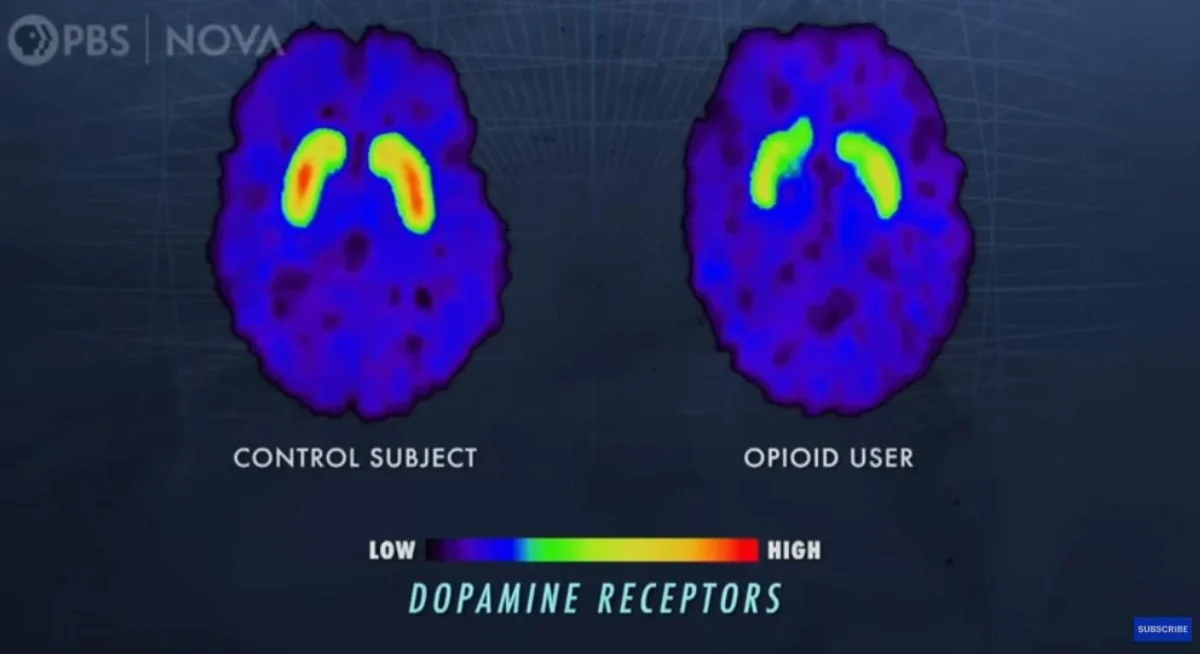
"Abstinence-based programs really, for opioid use disorder, are setting people up to fail and to relapse. And in the face of this crisis, where we know that every single time that somebody uses an opioid, they are at real risk of overdosing and dying, this should never be recommended as a primary intervention."
"Methadone, a long-lasting opioid that curbs cravings from heroin and pain pills without causing euphoria. Methadone binds to opioid receptors and normalizes brain functions altered by addiction, including dopamine levels."
"In 2003, the opioid buprenorphine became available under the brand name Suboxone, which could be taken at home. Less potent than methadone, Suboxone only partially activates opioid receptors to reduce cravings. If taken as prescribed and not misused, both drugs cut mortality by about half. After a year, 40-90% of patients are in recovery."1
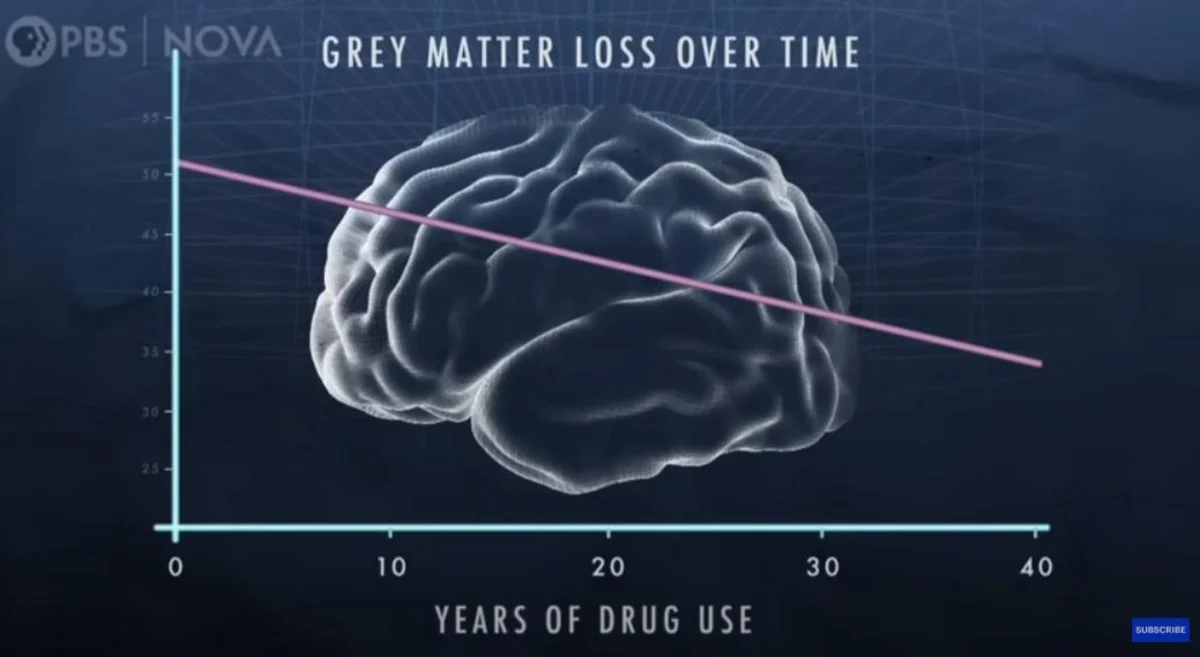
"Scans reveal that chronic drug use is associated with reduced gray matter, especially in the prefrontal cortex. Those regions are essential to make advantageous choices – to make the right decision at the right time. So, the lower the gray matter, the more the decision-making is impaired. You have a decrease in the ability to control your behaviour."
"Heroin changes the way our DNA functions. It turns on genes that should not be on. And turns off genes that should be on. And so that imbalance changes the brain function. The genes most affected regulate the brain's key chemical messenger, called glutamate, which is essential for sending signals between neurons, making thinking, memory, and learning possible."
"The drug naloxone, sold under the brand name Narcan, can reverse an overdose by pulling opioids off receptors in the brain. Although Narcan saves lives, it can also put patients into acute withdrawal. Without medications to control cravings, many will overdose again."

"In Charleston, West Virginia, Dr. Stefan Maxwell cares for babies born dependent on drugs. It's a withdrawal syndrome. They have vomiting, diarrhea, frantic behavior, they may scratch themselves. These babies may go for many days without sleeping or eating. And symptoms may last up to three months. Babies in acute withdrawal are weaned off opioids by giving them smaller and smaller doses."
"Trauma is an experience that overwhelms you, that leaves you bereft, paralyzed, and with no way out. And it can come in many different contexts. It can be physical, verbal, sexual abuse, childhood neglect. And these problems early in life put you at risk later in life." Recommended Book: The Body Keeps The Score
"In 2003, Vancouver sanctioned the first legal site in North America where people could inject illegal drugs under medical supervision. Called Insite, the program provides clean needles to prevent the spread of infectious diseases, drugs to reverse overdoses, and help accessing services, like medically-assisted treatment."
1 Suboxone is not simply a brand name for buprenorphine. It is a combination medication containing both buprenorphine, a partial opioid agonist, and naloxone, an opioid antagonist. Buprenorphine is also available on its own and in other formulations for the treatment of opioid use disorder.
Continue Learning
Explore the topics covered in this resource with the links below. Whether you're looking for a quick overview, an in-depth article, or another video, these resources can help deepen your understanding. If there's a topic you'd like to see covered or you're looking for something specific, feel free to contact me.
Explore the topics covered in this resource with the links below. If you're looking for something specific or have a suggestion, feel free to contact me.





Share Your Review
Your perspective matters. By sharing your honest thoughts, you can help others understand what this resource is really like beyond a simple summary. Whether it resonated with you, challenged your thinking, or wasn't what you expected, your feedback helps build a more useful and transparent collection of addiction and mental health resources.
Your perspective matters and helps improve this collection of addiction and mental health resources.
There are no reviews yet. Be the first one to write one.