Opiate Addiction: Strategies for Creating Long-Term Sobriety & Increasing Treatment Adherence
Introduction
This webinar offers an in-depth look at the unique challenges individuals with opiate addiction face in achieving and maintaining sobriety. It explores the physical, emotional, and social barriers that complicate recovery, including stigma, relapse, and limited access to care, while examining how these challenges affect treatment and long-term recovery.
The session also presents evidence-based strategies for supporting long-term sobriety, emphasizing early intervention, individualized care, trauma-informed approaches, and sustained support. By combining research with practical guidance, it provides clinicians, families, and anyone interested in addiction recovery with a better understanding of how to help people struggling with opiate addiction.
Foundations Recovery Network also has a large playlist of webinars.
Share This Resource!
Share This Resource!
Quotes
"The number of unintentional overdose deaths from prescription pain relievers in the United States has more than quadrupled since 1999."
"The United States is the biggest consumer of prescription opiates, accounting for almost 100% of the world total for hydrocodone (e.g., Vicodin) and 81% for oxycodone (e.g., Percocet)."
"By 2010, the number of pain medications prescribed was enough to keep every single American medicated for one month's time."
"Opiates create a sense of pleasure and well-being and, as so many people say, the euphoric feeling is extremely pleasing."
"What we are trying to do in recovery is help people find healthy ways of getting a dopamine release."
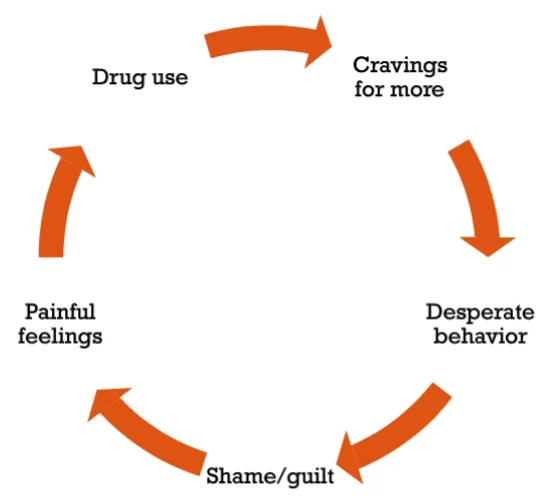
"It starts off with drug use then the person has cravings for more. They engage in desperate behaviours, leading to feelings of shame and guilt. This is painful and the person turns to drugs to cope with those painful feelings. So, it becomes a vicious cycle."
"Opiate addiction is defined as a chronic relapsing disease caused by changes in the brain and characterized by uncontrollable drug seeking no matter the consequences."
"People end up doing things they would never normally do. The frontal cortex decreases in functioning, so you don't have the reasoning skills, and the desire to get the drug feels as if it's life or death. It becomes survival and then leads to increased shame and guilt."
"I believe that the best outcomes are when individuals can get long-term treatment and that in treatment clients need structure to help them learn impulse control and self-regulation. It takes time to get clarity of thought because the brain has been hijacked."
"Many residential and inpatient facilities are using EMDR and other strategies to address issues of trauma, but oftentimes individuals are just not ready to address that trauma during the first 30 days of treatment."
"A huge part of helping individuals maintain long-term sobriety is helping them learn to trust and creating an atmosphere of trust."
Terms Mentioned
Continue Learning
Explore the topics covered in this resource with the links below. Whether you're looking for a quick overview, an in-depth article, or another video, these resources can help deepen your understanding. If there's a topic you'd like to see covered or you're looking for something specific, feel free to contact me.
Explore the topics covered in this resource with the links below. If you're looking for something specific or have a suggestion, feel free to contact me.








Share Your Review
Your perspective matters. By sharing your honest thoughts, you can help others understand what this resource is really like beyond a simple summary. Whether it resonated with you, challenged your thinking, or wasn't what you expected, your feedback helps build a more useful and transparent collection of addiction and mental health resources.
Your perspective matters and helps improve this collection of addiction and mental health resources.
There are no reviews yet. Be the first one to write one.