Steel Town Down: Overdose Crisis on the US-Canada Border
Introduction
Building on the success of DOPESICK: Fentanyl's Deadly Grip—one of the first documentaries to reveal the scope of Canada's opioid crisis—filmmaker Patrick McGuire partnered with VICE Canada and CTV's W5, the country's leading investigative news program, to create Steel Town Down.
Set in Sault Ste. Marie, a northern Ontario city of 75,000, this documentary offers a powerful and intimate look at how the opioid epidemic is devastating smaller communities far from Canada's major urban centres. In a city marked by the decline of once-thriving industry, the burden of responding to this crisis falls largely on a single frontline worker.
Steel Town Down tells a story that echoes far beyond Sault Ste. Marie, reflecting the deep and painful impact of opioid addiction in towns across North America and beyond.
Additional Resources:
Share This Resource!
Share This Resource!
Quotes
"It's fun at first, when you're like, I'm rebelling and I'm not getting caught, I feel so cool. And then it's almost like a cry for help, where you're like, I want to get caught, why isn't anyone noticing me doing all this bad stuff? Am I just unloved? Does my family not care that I'm falling apart?"1
"This is the Neighbourhood Resource Centre. This is predominantly where I do a lot of my outreach from just because it's accessible. It's in a location where a lot of my clients are living. Harm reduction to me is making sure that you, as a person, is okay, whether you use drugs or not, and if you do use drugs, we want to make sure that you're causing the least amount of harm as possible."
"I feel one of the biggest issues in Sault Ste. Marie is the level of poverty that we have, which is attached to food insecurity, which is attached to the housing issues, which is attached to education issues. It just becomes self-perpetuating."2
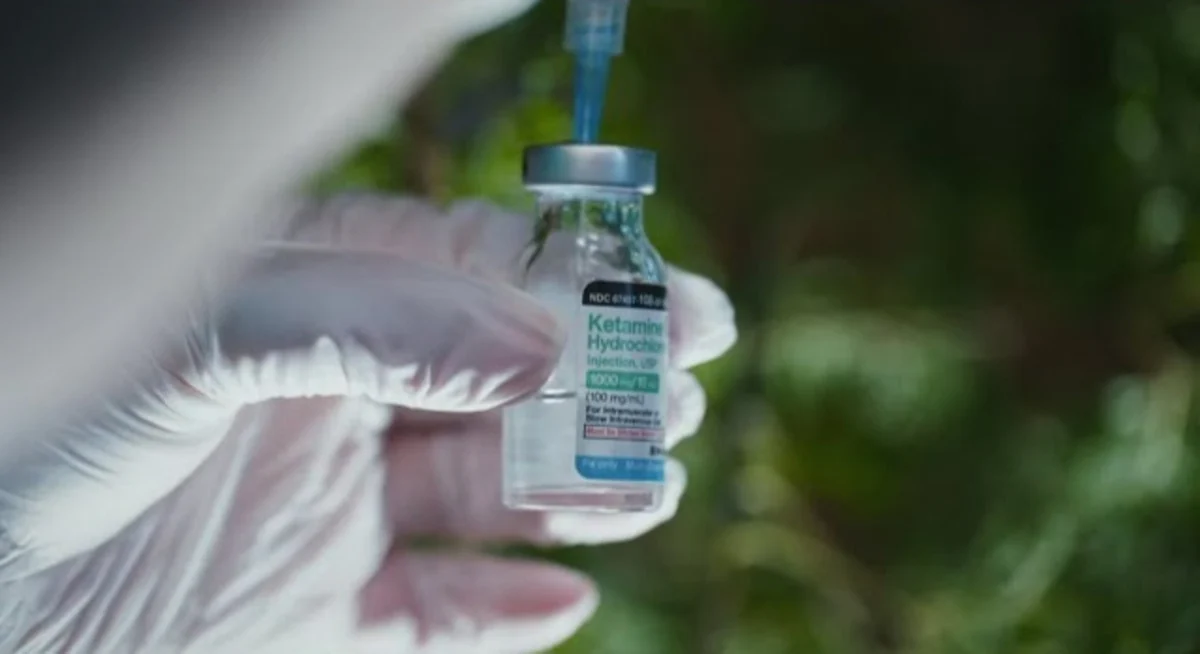
"[Narcan] is an opioid antagonist, so what it does is it attaches to the same receptors in your brain that the opium does, any opiate family, and it essentially blocks the action of that."
"It's almost easy to come down on an addict because nobody's gonna say anything, right? We're easy to judge. We are so marginalized in this town that there almost seems to be a divide between people who use and people who don't."
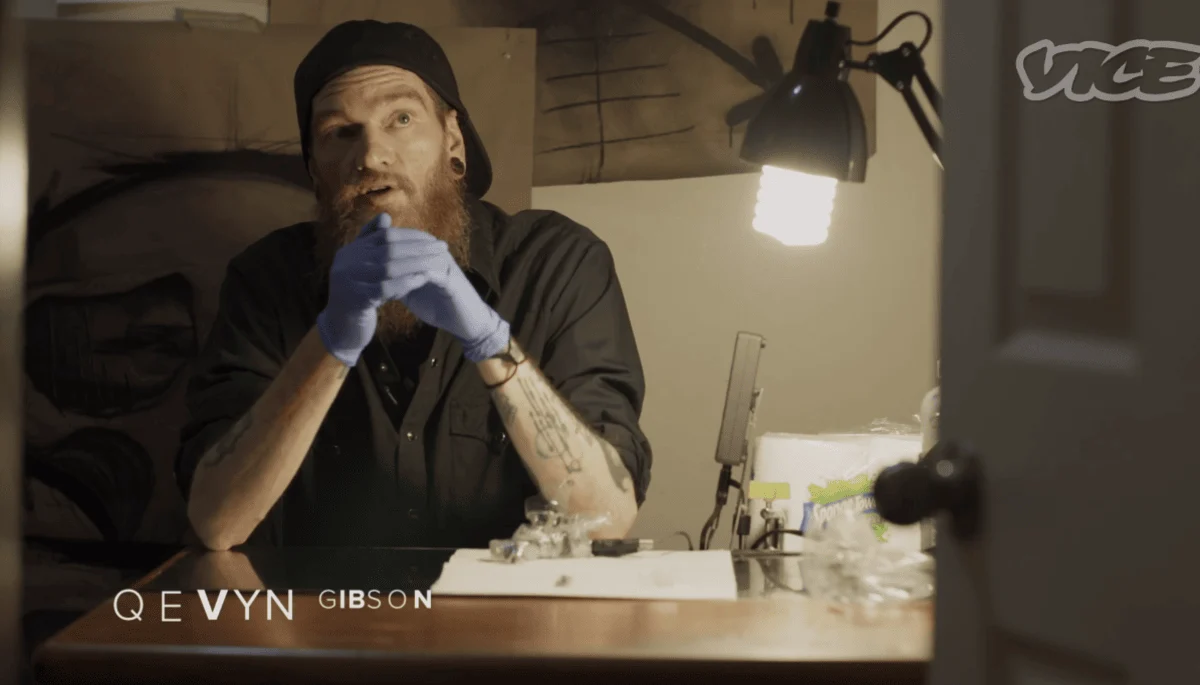
"I've done drugs crying cuz I don't want to do them. I've had a piece of tinfoil in my hand and a straw in my mouth crying. The last thing I wanted to do is do drugs and that's the nature of addiction, right? I'm doing them when I don't want to do them."
"87% of the stigma that people who use drugs deal with or face comes from health care workers. So, if you just put that into context, if you're someone who uses drugs and you find yourself in a situation where you're overdosing, do you really want to go to an environment where you're going to be told [awful things]?"3
"I know I'm an end-stage addict. I know that every time I use, I'm risking death."
"As long as I'm doing what makes me happy at the end of the day and it's not affecting other people in a harmful way, I don't think I should be ashamed of doing what I'm doing."
"I know everyone has a busy life, but we don't see any friends no more and we don't socialize, we don't do anything. It's hard. We used to always have a lot of people around us. We haven't taken a vacation in eight years. He's OD'd many times. He's tried suicide many times ... We've come close to losing him many times. We wake up every day and we pray that he's here tomorrow."
"Our hospital is being inundated with these crisis calls and people overdosing and utilizing services that maybe they could use somewhere else, it's not medical-related, but there's nowhere for them to go. In our community in general, we don't really have a lot of public acknowledgment that there is a crisis. So, when we are seeing spikes in overdoses or EMS is seeing higher rates of calls for overdose, it's really hard for us to plead a case that it's happening here when no one is talking about."
1 The relationship between adolescent drug use, rebellion, and trauma is deeply interconnected, with research increasingly framing substance use not just as "rebellion," but as a survival mechanism for managing emotional distress. Early trauma disrupts brain systems responsible for stress regulation and emotional control, making adolescents more vulnerable to using substances as a way to cope with overwhelming feelings.
2 A primary source for these specific issues is the Sault Ste. Marie Poverty Round Table's "Progress on Impact" report. As highlighted by CTV News, this report identifies four critical areas in need of immediate action: housing, food security, crisis diversion, and workforce entry. These social issues are directly linked to the region's high rate of opioid toxicity deaths. In early 2024, Sault Ste. Marie recorded the highest opioid death rate in Ontario at 69.6 per 100,000 people. Local officials have emphasized that resolving the opioid crisis requires addressing these underlying "income-based" problems.
3 In a Vancouver-based study detailed by CATIE, people who chose to disclose their drug use to healthcare providers reported significantly lower self-rated quality of care, specifically regarding dignity, respect, and communication. The study also found that 52% of people who use substances did not disclose their use to their primary healthcare provider out of fear of poor treatment or legal consequences.
Continue Learning
Explore the topics covered in this resource with the links below. Whether you're looking for a quick overview, an in-depth article, or another video, these resources can help deepen your understanding. If there's a topic you'd like to see covered or you're looking for something specific, feel free to contact me.
Explore the topics covered in this resource with the links below. If you're looking for something specific or have a suggestion, feel free to contact me.





Share Your Review
Your perspective matters. By sharing your honest thoughts, you can help others understand what this resource is really like beyond a simple summary. Whether it resonated with you, challenged your thinking, or wasn't what you expected, your feedback helps build a more useful and transparent collection of addiction and mental health resources.
Your perspective matters and helps improve this collection of addiction and mental health resources.
There are no reviews yet. Be the first one to write one.