Painkiller: Inside Canada's Opioid Crisis
Introduction
Painkiller explores Canada’s opioid crisis through the experiences of families who have lost loved ones, frontline workers responding to overdoses, and experts working in addiction and drug policy. Their stories examine how prescription opioids contributed to the crisis, the consequences of overprescribing, and the failures of a system that has struggled to respond as overdose deaths continue.
The documentary also looks at stigma, the war on drugs, and the debate over treating substance use as a criminal justice issue rather than a public health issue. Alongside these concerns, Painkiller highlights harm-reduction services, decriminalization, and the work of advocates and families pushing for changes to drug policy and greater support for people who use drugs.1
Share This Resource!
Share This Resource!
Quotes
"We often think that people who use are selfish, they only think about themselves, and they don't care about the people who love them – but they do. They deeply, deeply care and they feel guilty. Danny carried an enormous amount of guilt because he knew he hurt the people he loved."
"It's really hard to convince people out there in the sort of regular world that it's gonna touch their lives. You know they have this, maybe this impression, that it's people that are hardcore drug users on the street. That's not the case."2
"You have the historical war on drugs and the moralistic values and politicians very hesitant to invest in the things that need to be done. The system needs a major overhaul. The system, it's not even broken, it's so dysfunctional and so counter-productive that we have the opposite results to what we actually want."
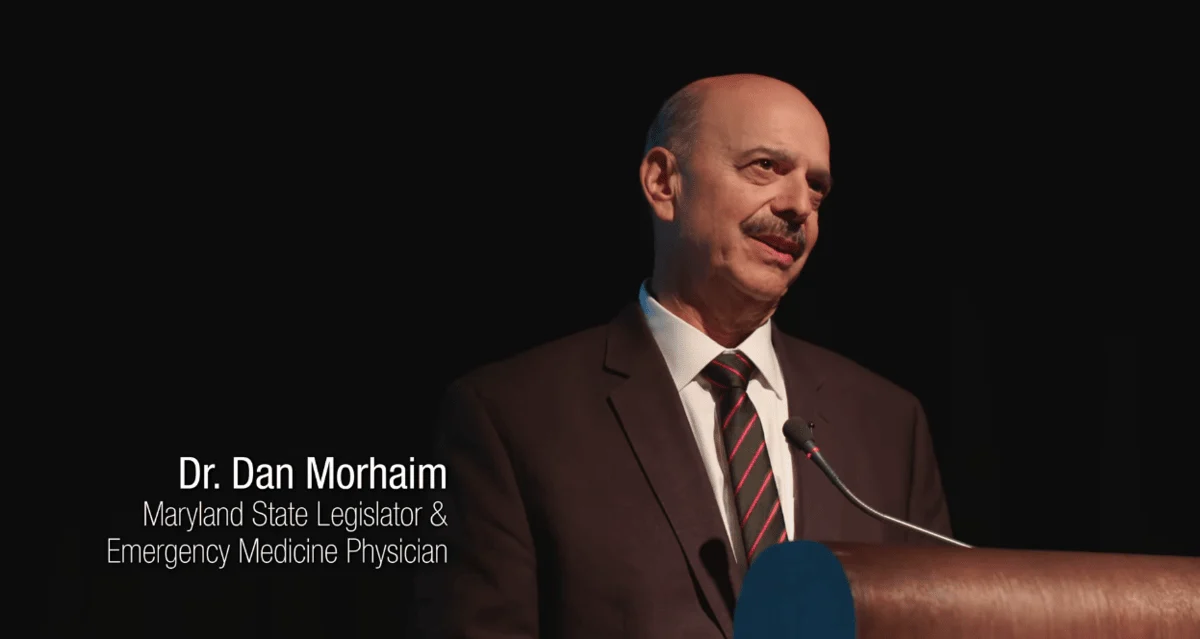
"My conclusion is the war on drugs has been a war on people. After 50 years of the war on drugs, it's a colossal policy failure. We've had a policy that's been not working and destroying our culture and society from the inside. It's a matter of life or death, every hour of every day in every part of North America and large parts of the world. It's a global issue."
"Moms Stop the Harm: it's a network, it's an advocacy group of families that have been affected by the opioid crisis. What our aim is, is to change drug policy, change it away from a focus on criminal justice and blame the person to actually seeing it as what it is, it's a health issue."
"You never lose votes by being tough on crime. You might lose votes if you decide to be compassionate to those that have experienced the greatest traumas in our society."3
"We are dealing with a crisis here; people are dying every day. This shouldn't be about ideology, it should be about what the data shows us, and it tells us if we were to right now decriminalize possession of all illegal drugs, we could reduce the risk that people might die from overdoses."4
"It's not really a drug problem when you think about it. Really, it's a problem with people learning how to cope, and manage and deal with boredom and curiosity, but also deal with trauma and stress and depression and anxiety and isolation."5
"For every dollar invested in substance abuse treatment, you save 7 to 10 dollars in societal expenses, and that's on the expenses that can be measured. It doesn't measure the expenses, the suffering that you can't measure."6
1 The history of opioid overprescribing in Canada, which triggered a massive public health crisis, began in the 1990s and escalated rapidly through the 2000s, driven by aggressive marketing of pain medication, changes in pain management philosophies, and high-volume prescribing. By 2016, Canada was the second-largest consumer of prescription opioids in the world, with over 20 million prescriptions dispensed—nearly one for every adult over 18.
2 Public misconceptions about addiction demographics often fuel stigma, falsely portraying it as a problem limited to specific social, economic, or age groups. In reality, addiction does not discriminate, affecting individuals across all professions, income levels, and age groups, including high-achieving professionals and seniors.
3 "Tough on crime" approaches to addiction policy—which prioritize punitive measures like incarceration, mandatory minimum sentences, and abstinence-based drug courts—face significant criticism for failing to treat substance use as a health issue, according to experts and research. Critics argue these policies increase recidivism, exacerbate the overdose crisis, and fail to address the root causes of addiction, such as poverty and mental health challenges.
4 Evidence on the impact of drug decriminalization on overdose deaths is mixed and highly contextual, with studies often showing that policy changes are overshadowed by the increasing toxicity of the illegal drug supply, specifically fentanyl. While proponents argue it reduces stigma and connects users to health services, opponents link it to increased public disorder and, in some cases, rising mortality.
5 This perspective aligns with a growing body of psychological and addiction research that views substance use as a symptom of underlying issues, often referred to as "self-medicating." Experts increasingly agree that addiction is less about the substance itself and more about an individual's struggle to manage, cope with, or numb intense emotional and physical pain.
6 Research from Canada shows that investment in mental health and substance use treatment yields significant economic returns, with estimates of $4 to $10 in savings for every dollar spent. These savings come from reduced healthcare costs, improved productivity, and lower long-term social system burden.
Continue Learning
Explore the topics covered in this resource with the links below. Whether you're looking for a quick overview, an in-depth article, or another video, these resources can help deepen your understanding. If there's a topic you'd like to see covered or you're looking for something specific, feel free to contact me.
Explore the topics covered in this resource with the links below. If you're looking for something specific or have a suggestion, feel free to contact me.







Share Your Review
Your perspective matters. By sharing your honest thoughts, you can help others understand what this resource is really like beyond a simple summary. Whether it resonated with you, challenged your thinking, or wasn't what you expected, your feedback helps build a more useful and transparent collection of addiction and mental health resources.
Your perspective matters and helps improve this collection of addiction and mental health resources.
There are no reviews yet. Be the first one to write one.