Young people's changing attitudes toward cannabis are creating new challenges for prevention and public health in Singapore. This investigation examines cannabis use, addiction risk, social media, drug trafficking, and the influence of changing policies in nearby Thailand. Through healthcare professionals, researchers, law enforcement, counsellors, community organizations, and people with lived experience, the episode explores Singapore's strict approach to drugs alongside prevention, recovery, and youth outreach efforts. It also examines concerns surrounding cannabis commercialization and how shifting perceptions of the drug may influence younger generations.
Thailand's decision to legalize medical cannabis marked a dramatic departure from decades of strict drug prohibition. This 101 East investigation examines the country's emerging cannabis industry through researchers, patients, farmers, politicians, and traditional practitioners navigating the new policy. From university laboratories and government clinics to Buddhist temples offering cannabis products, the documentary explores hopes for new treatments and economic opportunities alongside concerns about safety, regulation, and exaggerated medical claims. As enthusiasm grows around the plant, the investigation asks whether Thailand's promised cannabis revolution represents meaningful change or a mixture of politics, profit, and hype.
TOPICS: Cannabis, Decriminalization, Public Health, Science & Research, Thailand
In 2001, Portugal transformed its approach to drugs by decriminalizing possession of small amounts for personal use and shifting its focus toward health, treatment, and harm reduction. Two decades later, SBS Dateline travels to Lisbon to examine how the policy works in practice and what impact it has had on addiction, overdose deaths, and people who use drugs. Through policymakers, frontline workers, and personal stories, the investigation explores Portugal's progress, the problems that remain, and whether countries such as Australia could learn from its approach to drug policy.
Thailand's decision to remove cannabis from its narcotics list created a rapidly expanding industry almost overnight, opening new opportunities for farmers, entrepreneurs, dispensaries, and tourism. Travelling across the country, SBS correspondent Mazoe Ford examines the legal grey areas surrounding recreational use, the economic promise of cannabis, and concerns from medical professionals about regulation and public health. The investigation also looks at Thailand's history of cannabis prohibition and traditional medical use, capturing a dramatic moment in drug-policy reform before the government later moved to restrict cannabis primarily to medical purposes.
TOPICS: Cannabis, Decriminalization, Public Health, Thailand
SBS Dateline travels to Thailand to examine a changing war on drugs as the country confronts widespread yaba use, methamphetamine trafficking, prison overcrowding, and decades of punitive drug policies. Filmed during Thailand's historic move to decriminalize cannabis, the investigation follows anti-trafficking units, social workers, formerly incarcerated people, and communities affected by drug use. It also travels to the Golden Triangle, where instability in neighbouring Myanmar and the growth of synthetic drug production have transformed regional trafficking and contributed to an enormous supply of cheap methamphetamine flowing into Thailand.
Through personal stories and community perspectives, the film examines the stigma surrounding addiction and the damage caused by shame, judgment, and misunderstanding. People in recovery, health-care professionals, law enforcement, and advocates discuss prescription opioids, heroin, overdose, and the barriers that can prevent people from seeking treatment. It also explores decriminalization and different approaches to recovery while challenging the idea that addiction is simply an individual problem, asking communities to reconsider how people with substance use disorders are treated and what meaningful support should look like.
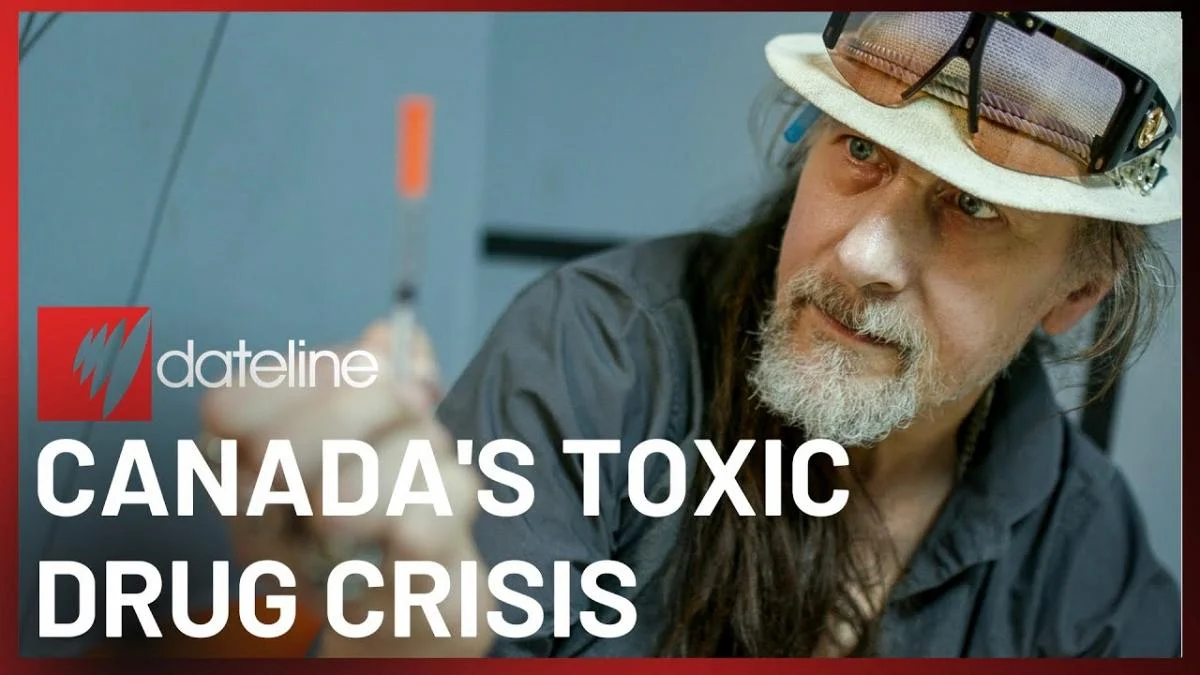
Canada’s toxic drug crisis is examined through families who have lost loved ones, people who use drugs, frontline workers, and harm-reduction advocates. The program looks at the growing presence of fentanyl in the unregulated drug supply and visits overdose prevention and drug-checking services working to reduce deaths. Produced for an Australian audience, it also considers what Canada’s experience could mean for Australia as debates continue around supervised consumption, safer supply, decriminalization, treatment, and how governments should respond to an increasingly unpredictable drug supply.
Families, frontline workers, advocates, and experts share their experiences of Canada’s opioid crisis and the failures that have allowed it to continue. Their stories examine prescription opioid addiction, stigma, drug policy, and the enormous toll of overdose on families and communities. The film also looks at harm reduction and decriminalization, questioning decades of punitive approaches to drug use while highlighting the people and organizations pushing for a public health response that focuses on keeping people alive.
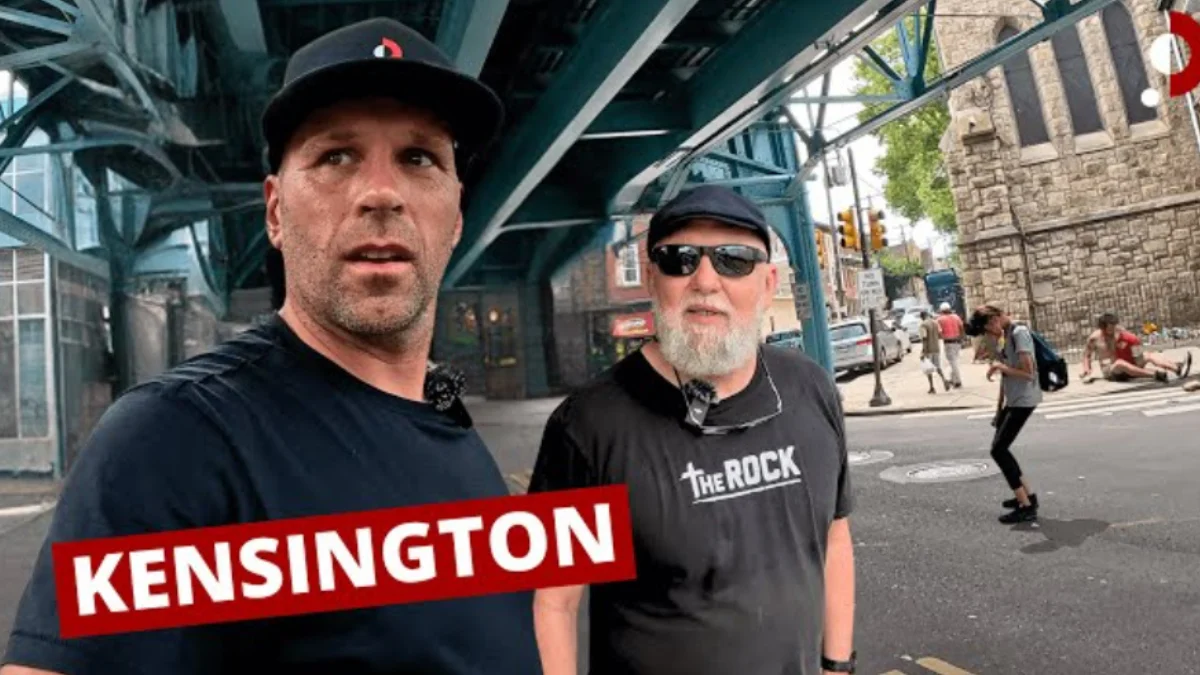
This documentary explores the open-air drug market in Kensington, Philadelphia, through the perspective of local outreach worker Buddy Osborn. As he guides Peter Santenello through the neighbourhood, he discusses the devastating impact of addiction, drug trafficking, and public disorder on residents, families, and especially children growing up in the community. The film also highlights the work of grassroots organizations providing outreach, treatment referrals, and support while examining the difficult balance between compassion, accountability, recovery, and public policy.
New Zealand’s war on drugs comes under scrutiny in this investigation of methamphetamine use, criminalization, and the search for more effective solutions. Journalist Guyon Espiner speaks with people directly affected by addiction alongside police, treatment providers, policymakers, and harm reduction advocates. Their experiences reveal the limitations of a system that devotes substantial resources to enforcement while leaving many people without adequate support. By examining treatment referrals, drug checking, poverty, stigma, and decriminalization, this resource presents a compelling case for replacing punishment with compassionate, evidence-based public health approaches.