Robert Munsch reflects on the private struggles that existed alongside his celebrated career as one of Canada's best-known children's authors. In this revealing interview, he discusses childhood depression, bipolar disorder, obsessive-compulsive disorder, alcohol and cocaine addiction, family tragedy, and his experiences with recovery. He also explores the relationship between his mental health, addiction, and writing, sharing how personal experiences and the children he encountered inspired many of his stories and shaped the public storyteller generations of readers came to know.
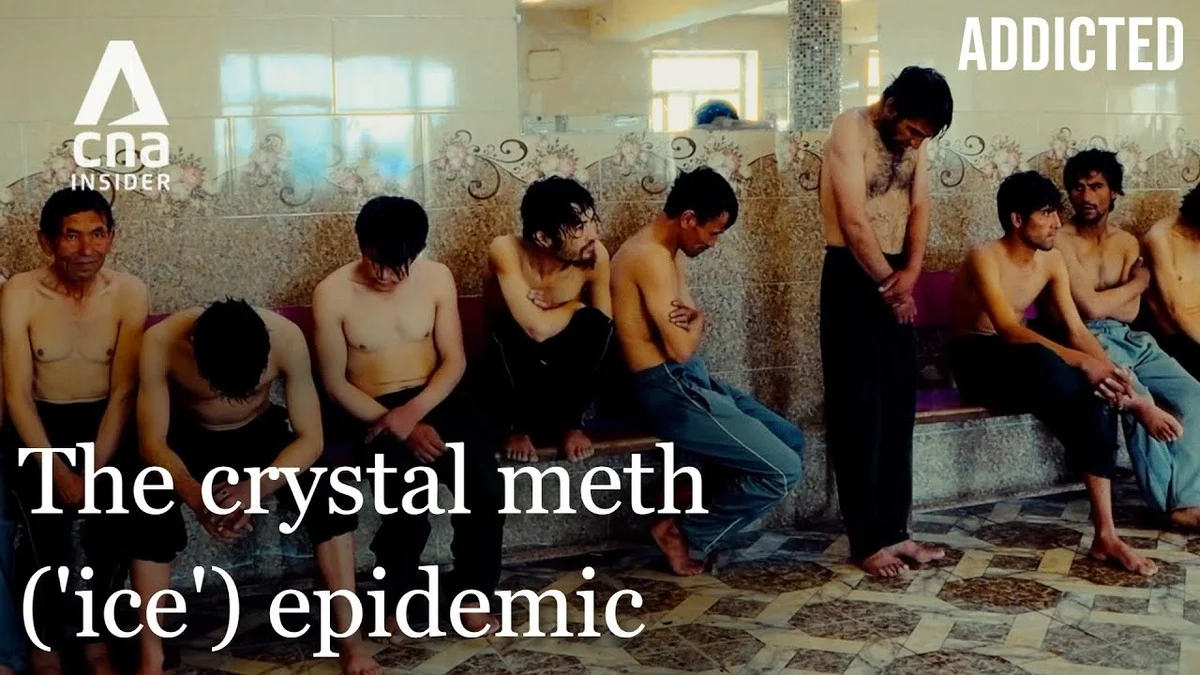
Across Pakistan, Thailand, Canada, and Australia, methamphetamine production, trafficking, addiction, and recovery take very different forms. This investigation follows police raids, rehabilitation programs, border patrols, drug-destruction operations, clandestine laboratories, and wastewater monitoring while tracing the networks that move synthetic drugs across borders. It also examines the role of Myanmar's expanding meth trade, the challenges facing people seeking treatment, and the impact of high-potency drugs on communities. Through law enforcement, experts, treatment workers, and people affected by addiction, the episode reveals the global reach of synthetic drugs.
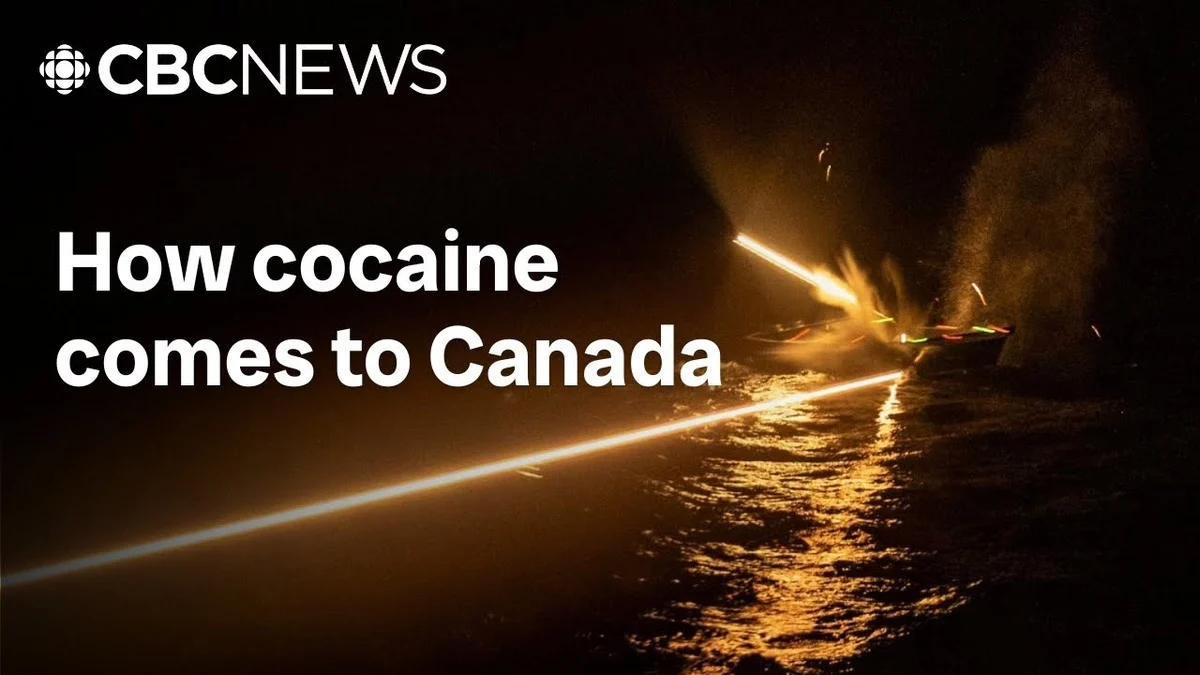
Rising cocaine production and increasingly pure cocaine are affecting communities thousands of kilometres from where the drug originates. This investigation follows the cocaine trade from Colombia to Canada, documenting law enforcement efforts to intercept international shipments before travelling to Sheshatshiu Innu First Nation in Labrador, where residents are confronting addiction and drug-related deaths. Through interviews with police, community members, people in recovery, and treatment workers, the report connects organized crime and international drug trafficking with the public health consequences experienced by one remote First Nations community.
Governments across Canada receive billions of dollars from gambling, creating difficult questions about their responsibility to protect people experiencing gambling addiction. This investigation examines electronic gaming machines, self-exclusion programs, responsible gambling initiatives, and the psychology that keeps players gambling. Through researchers, addiction experts, former gamblers, and industry representatives, it explores how much gambling revenue may come from problem gamblers and whether governments can effectively promote responsible gambling while simultaneously benefiting financially from the losses of vulnerable players.
Prescription opioid dependence can affect people of all ages and backgrounds, including those who first encounter opioids through legitimate pain treatment. Focusing on communities in Ontario, this documentary combines personal experiences with perspectives from healthcare professionals, treatment providers, and community leaders. It examines opioid withdrawal, stigma, harm reduction, methadone treatment, counselling, and other approaches to recovery while exploring the challenges of balancing pain management with the risks of prescription opioids and responding to addiction as a public health issue.
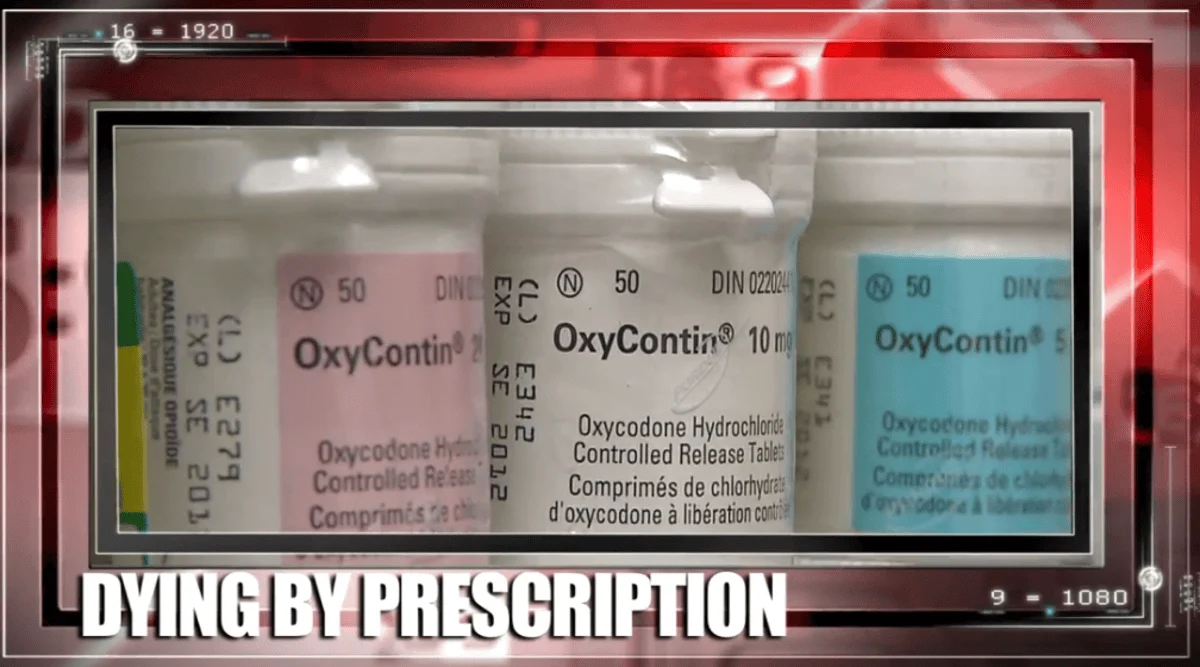
This 2012 Global News investigation examines the OxyContin controversy in Canada through the experiences of patients, grieving families, researchers, and medical professionals. As prescriptions for the powerful pain medication increased, so did concerns about addiction, overdose, and the way its risks had been presented to doctors and patients. The report investigates Purdue Pharma's marketing of OxyContin, its influence within pain medicine, and allegations that the drug's potential for addiction was deliberately downplayed, while revealing the devastating consequences prescription opioid use had already left behind.
Vancouver police officers turn their cameras toward the Downtown Eastside, documenting the lives of people experiencing addiction, homelessness, poverty, and severe social marginalization. Through repeated encounters and personal stories, the film follows individuals living on the streets while showing how officers’ attitudes begin to shift as they learn more about the people behind the addiction. Originally created in part as a drug-awareness project for youth, the documentary offers a stark look at substance use, stigma, survival, and the human consequences of life in one of Vancouver’s most vulnerable communities.
TOPICS: Canada, Homelessness, Law Enforcement, Personal Stories, Poverty, Public Health
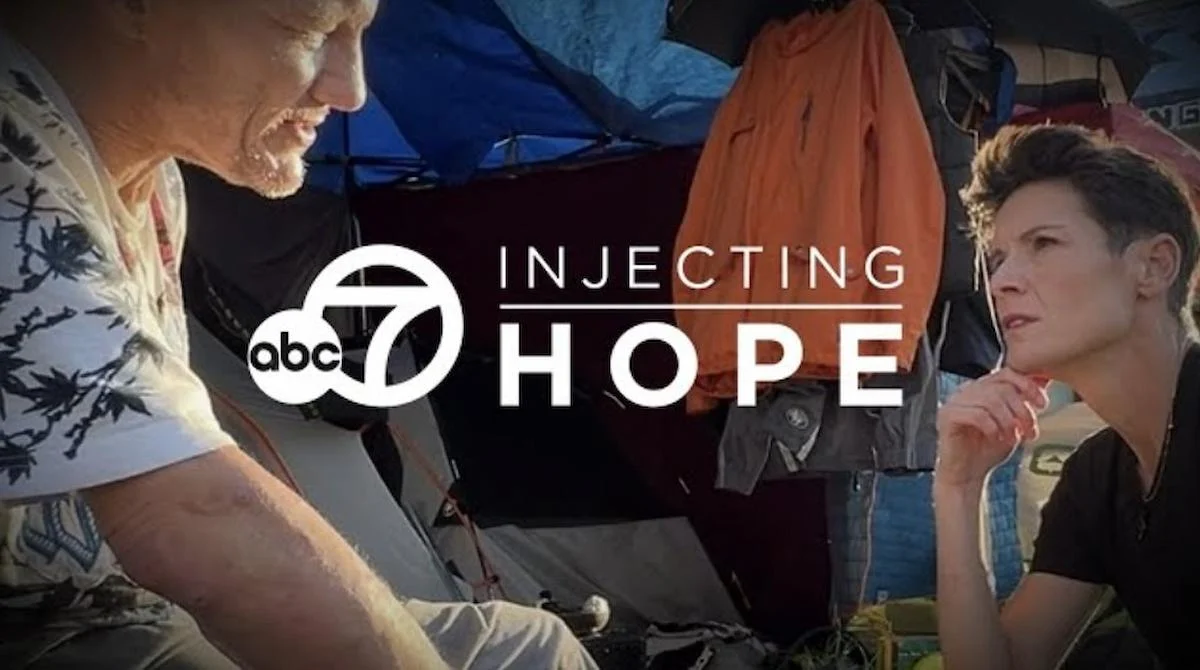
What can the United States learn from Canada’s approach to the overdose crisis? ABC7 News reporter Tara Campbell travels to British Columbia to examine harm reduction and the services designed to keep people who use drugs alive and connected to care. Through personal stories and expert perspectives, the documentary explores supervised consumption, fentanyl, homelessness, trauma, stigma, and barriers to treatment. It also looks inside Insite, North America’s first legally sanctioned supervised consumption site, while examining the broader debate over whether similar approaches could help communities struggling with overdose in the United States.
Fentanyl has transformed Ontario’s opioid crisis, affecting people who use drugs, families, healthcare workers, law enforcement, and communities across the province. This three-part series combines personal stories with expert perspectives to examine fentanyl, prescription opioid addiction, overdose, and the challenges people face when seeking treatment. It also explores harm reduction, public education, law-enforcement responses, and efforts to prevent further deaths. Along the way, people directly affected by addiction share their experiences, showing why understanding the crisis requires looking beyond the drug itself to the people and circumstances behind it.
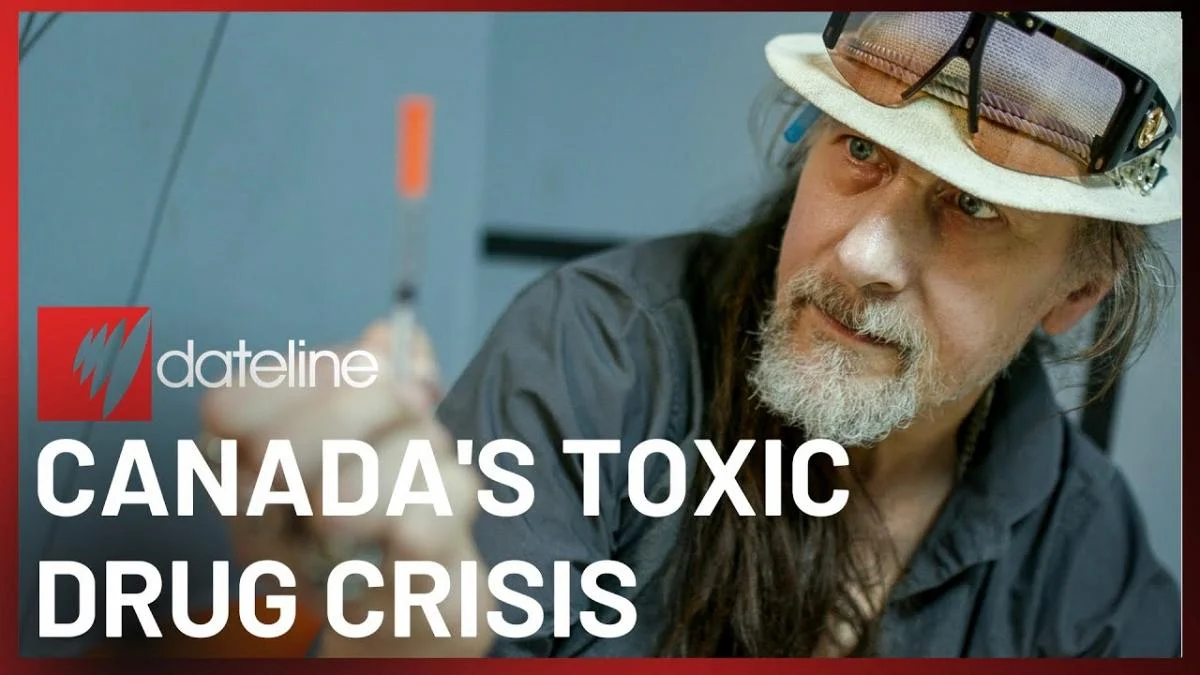
Canada’s toxic drug crisis is examined through families who have lost loved ones, people who use drugs, frontline workers, and harm-reduction advocates. The program looks at the growing presence of fentanyl in the unregulated drug supply and visits overdose prevention and drug-checking services working to reduce deaths. Produced for an Australian audience, it also considers what Canada’s experience could mean for Australia as debates continue around supervised consumption, safer supply, decriminalization, treatment, and how governments should respond to an increasingly unpredictable drug supply.