New York City's Opioid Drug History
Introduction
The use of opioids as pain relief has deep roots in New York City, dating back to the 1880s when doctors began prescribing morphine pills to housewives as an unregulated treatment.1 Journalist Christopher Booker explores New York's opioid drug history — from morphine, opium, and heroin to synthetic drugs like fentanyl — in a documentary examining addiction, medical treatment, and the evolving criminalization of drugs over more than a century.
New York City's Opioid Drug History:
Share This Resource!
Share This Resource!
Quotes
"Opioid addiction has been a complex and persistent part of New York City since the Civil War. The city's long history with opioids is a story of brutal and stubborn resilience that sits upon an intractable number of victims and survivors. Each layer has left a complicated portrait of supply and demand and a broad snapshot of the social, economic, and public health impacts from a drug that the city has never been able to kick."2
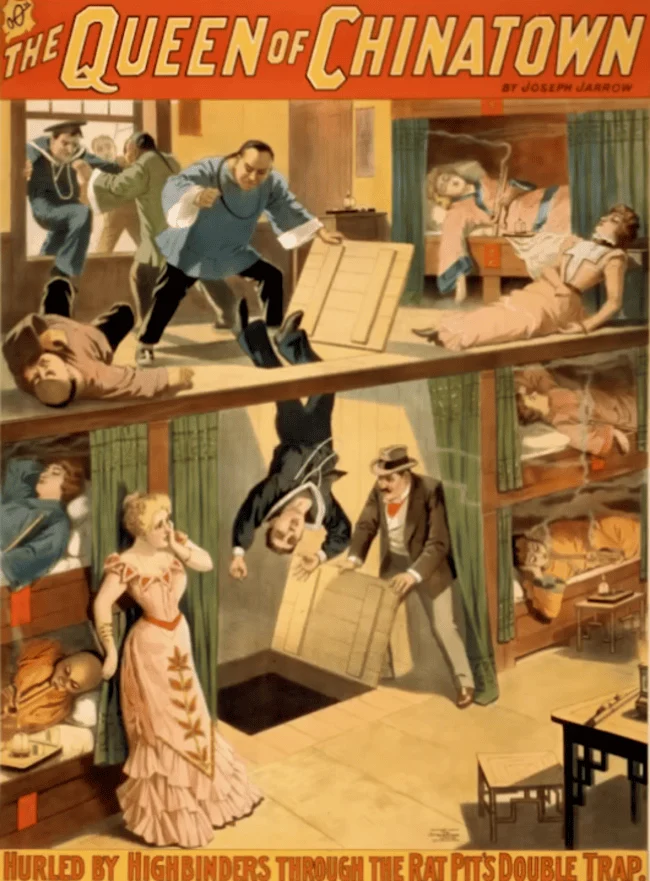
"As always, with every kind of drug scare in the US, there seems to be a racial angle to it. Smoking opium was associated with Chinese immigrants. And there are all kinds of media stories or exposes about opium dens in New York City, though one of the narratives is that these are places where Chinese immigrant opium smokers would attract white women and get them enslaved to opium. This idea that white women were getting lured into opium dens where they might become sexually available to non-white men was the stuff of nightmares for the self-appointed leaders of the white race."
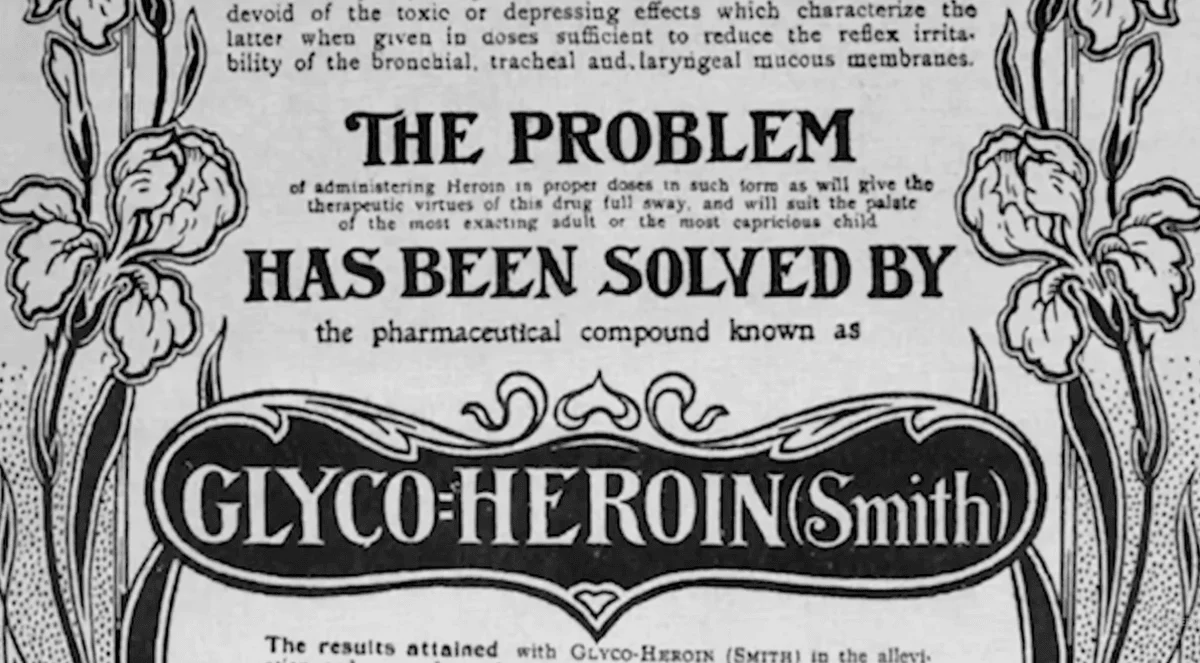
"It becomes so much more dangerous to be a drug user in New York City, overdoses are already a common feature of life as a drug user. But after heroin, it's so much more powerful. It's so easy to miscalculate a dose that overdoses escalate even more."
"In the early 1980s, historian David Courtwright and public health professors, Don Des Jarlais and Herman Joseph, conducted a series of interviews with opioid users like Leroy Street, who was a teenager when he started using. Leroy Street was using during a period of transition, as the federal government began cracking down on narcotics and the country was moving toward prohibition of alcohol. The early wave of restrictions that started in 1909 were followed in 1914 by the Harrison Act, which was the first federal attempt to curb addiction. By 1924, heroin was prohibited entirely."
"Under the commissioner of the Federal Bureau of Narcotics, Harry Anslinger, the US government began stockpiling massive quantities of opium in the late 1930s. All opioid drugs are pulled off the streets out of illicit traffic and put in stockpiles, including at Fort Knox where the gold is kept, as strategic materials. Plus, the fact that war itself disrupts international shipping and smuggling routes."
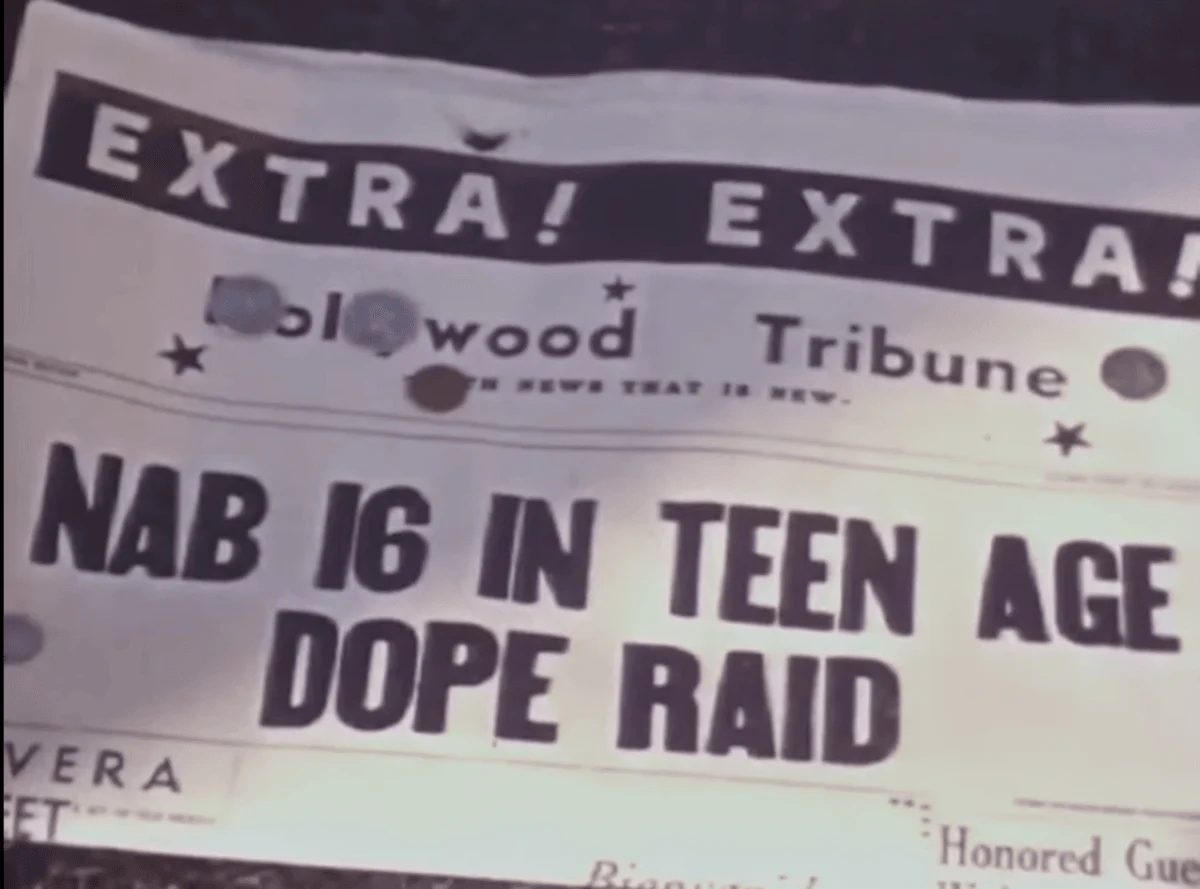
"With heroin flowing into the city to a younger group of users, the jazz musicians whom they looked up to became the target of Harry Anslinger. Largely credited as the architect of the war on drugs, Anslinger relentlessly pursued everyone from Charlie Parker to Billie Holiday, and the press began writing about the dangers of this new younger heroin addict. Suddenly, the newspapers and the magazines are full of stories about 18 and 19-year-old heroin addicts. Only now, many of them are African American and Puerto Rican."
"Whenever you have a shift toward a more restrictive policy, you have a problem. And the problem even has a name. These people are called legacy patients. What do you do with the patients who started off taking prescription opioids who became dependent, physiologically dependent on large quantities of these drugs? And now the medical establishment says, Oh gosh, you know, we were wrong about that. You need to taper, or we need to be less liberal in prescribing these drugs. As it happened 100 years ago, many moved from their prescription opioids to those available on the black market."
"Even for a city with 160 years of experience, this fentanyl chapter is unlike anything the city has seen before. Fentanyl is a much more dangerous drug than heroin. It's much, much easier to overdose on fentanyl. It's much harder to treat fentanyl than it is to treat heroin addiction."
1 By the late 19th century, opiates were widely prescribed and sold in an unregulated medical marketplace across the United States. Doctors commonly prescribed morphine to women for menstrual pain, nervous disorders, and other conditions, contributing to rising addiction rates among female patients. Historians estimate that by the late 1800s, women accounted for more than 60% of opium addiction cases.
2 The American Civil War helped trigger the United States' first major opioid epidemic, as morphine was widely used to treat injured soldiers. Increased use of injectable morphine after the war contributed to widespread addiction, sometimes referred to at the time as "the army disease,” while urban centers such as New York City experienced growing opioid use throughout the late 19th century.
Continue Learning
Explore the topics covered in this resource with the links below. Whether you're looking for a quick overview, an in-depth article, or another video, these resources can help deepen your understanding. If there's a topic you'd like to see covered or you're looking for something specific, feel free to contact me.
Explore the topics covered in this resource with the links below. If you're looking for something specific or have a suggestion, feel free to contact me.













Share Your Review
Your perspective matters. By sharing your honest thoughts, you can help others understand what this resource is really like beyond a simple summary. Whether it resonated with you, challenged your thinking, or wasn't what you expected, your feedback helps build a more useful and transparent collection of addiction and mental health resources.
Your perspective matters and helps improve this collection of addiction and mental health resources.
There are no reviews yet. Be the first one to write one.