Singapore, Cannabis & Youth (Addicted: The Cannabis Trap)
Introduction
The Cannabis Trap is the third episode in CNA's three-part Addicted documentary series, examining the growing acceptance of cannabis among young people and the challenges this presents for prevention and public health. Filmed primarily in Singapore, with additional reporting from Thailand, the documentary explores how changing attitudes, social media, and regional cannabis policies are influencing youth perceptions of the drug.
Through interviews with law enforcement, healthcare professionals, researchers, former drug users, counsellors, and community organizations, The Cannabis Trap examines cannabis use, addiction risk, youth outreach, cross-border trafficking, and Singapore's strict drug policies. The documentary also explores recovery, education, and the importance of early intervention to help young people avoid substance use.
This documentary is part of CNA's three-part Addicted series:
Share This Resource!
Share This Resource!
Quotes
Singapore
"Last year [2024], 61% of cannabis abusers arrested were new abusers, of which 57% were under 30 years old. The youngest abuser arrested last year was 13 years old."
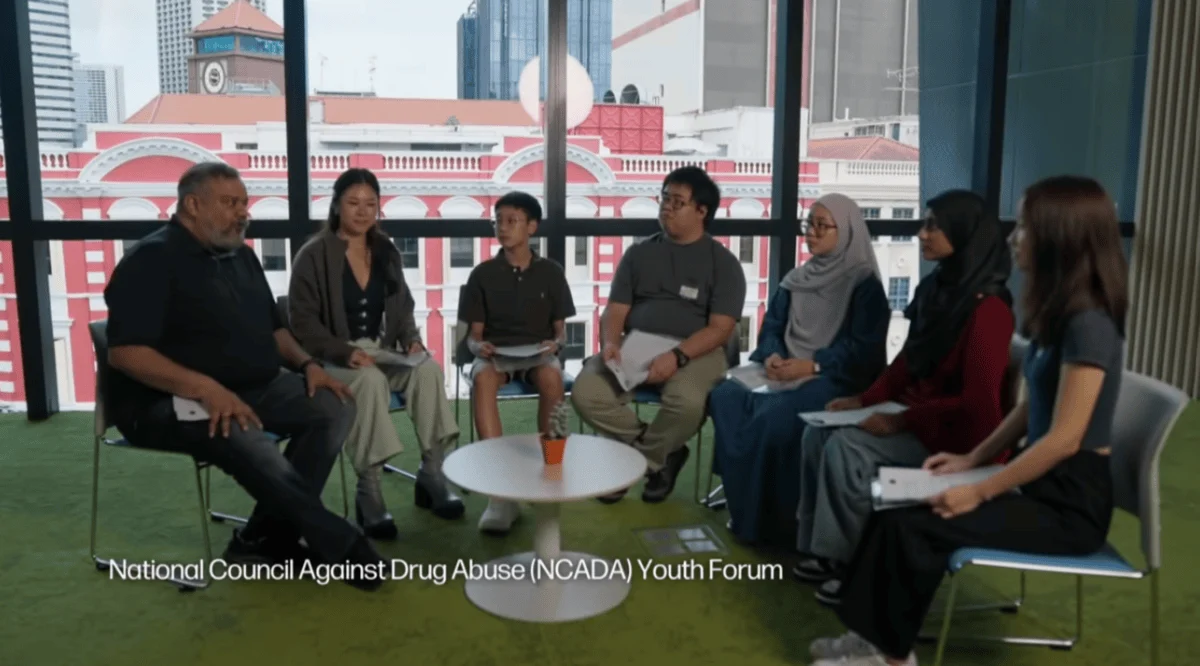
"90.4% of youths surveyed by NCADA [National Council Against Drug Abuse Youth Forum] in 2023 felt drug-taking should remain illegal in Singapore. 79.3% of them agreed when asked the same for cannabis."
"There are several chemicals in cannabis, but the main chemicals are THC and CBD. One of them, THC, is psychoactive. Cannabis is a highly addictive chemical. The reason why is that it has a long-standing effect in the brain, which can cause psychosis, mood symptoms, as well as sometimes in some cases, suicidal tendencies too."1
"Some individuals have a higher risk factor of developing addiction than others, especially genetics. Some don't even realize they have those early mental health conditions and that cannabis can exacerbate that or make it worse, especially things like schizophrenia. So, the way they cope with things is using substances, whether to numb themselves or to fill a void."
Thailand
"In 2022, under the Prayut administration, Anutin Charnvirakul, the then Public Health Minister [of Thailand], proposed the Free Marijuana policy. This received a wide and strong opposition from the public while the Medical Council of Thailand and many academics also firmly opposed it. This has led to the spread of cannabis in many [Thailand] communities, making it accessible to young people."
"At present, cannabis is still considered freely usable, but the controlling law is not a very good one. It cannot really arrest or fine people and cannot punish those who do wrong. Unlike selling alcohol, which has a restricted area that bans sales. Similarly, stores that sell cigarettes have to conceal the products, but cannabis has no such restrictions."2
"Whether you smoke or eat cannabis, you will receive the same amount of THC. But eating is more dangerous. It remains longer than smoking. Smoked cannabis could stay in the body for three to four hours, but if it is eaten, the substance will be in the body for at least 12 hours. The danger is that edible cannabis comes in the form of snacks like brownies or jelly that don't look scary or dangerous which makes people eat more continuously. This has led to an increase in youths consuming cannabis."3
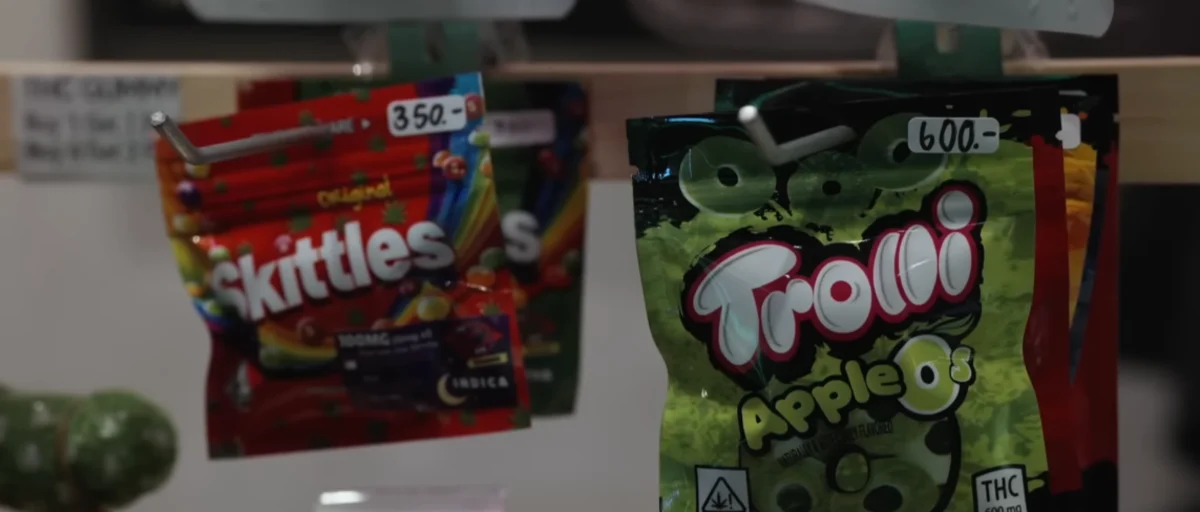
"Smoked cannabis could stay in the body for three to four hours, but if it is eaten, the substance will be in the body for at least 12 hours. The danger is that edible cannabis comes in the form of snacks like brownies or jelly that don't look scary or dangerous which makes people eat more continuously. This has led to an increase in youths consuming cannabis."
"Adolescents are at a much, much higher risk for developing addiction to cannabis, at least twice as high as adults."
Singapore
"Singapore is not a drug-producing country, but as a key transportation and financial hub with close proximity to the Golden Triangle, Singapore faces the danger of being exploited as a transit centre for traffickers."
"We have encountered smugglers who have modified their vehicles to conceal drugs. Some of the locations we have encountered [are] inside the bumpers, in between door panels, or even the floorboard of the vehicle ... Smugglers have also found creative ways to hide drugs, to conceal drugs."
"In 2023, there were 945 joint operations at the checkpoints to stem the flow of drugs into Singapore."
"We [Central Narcotics Bureau] do monitor online platforms. In fact, since 2019, when we started to see this trend, we have been watching it very closely. We have mounted many operations to take out abusers and traffickers who are using this platform to pursue their illicit activities. People tend to think that such platforms give them certain anonymity so that they can evade detection, but they cannot be more wrong."
"In 1975, Singapore introduced a mandatory death penalty for trafficking substantial amounts of drugs."4
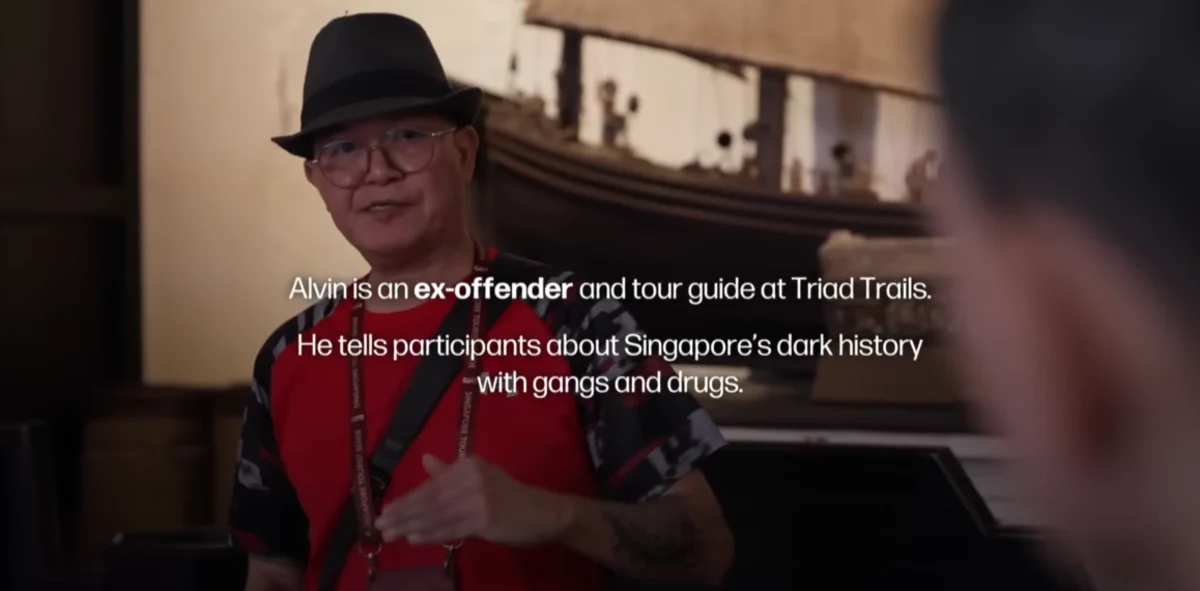
"For Triad Trails, we have participants from different walks of life. The most commonly asked question when it comes to Singapore is about the death penalty."
[Jix Sze – Author of Chasing the Dragon Out] "I think the death penalty had an impact on drug distribution ... I believe that the penalty helps to deter the activities in the supply of drugs. For me it was instrumental in stopping me in my involvement in selling drugs."
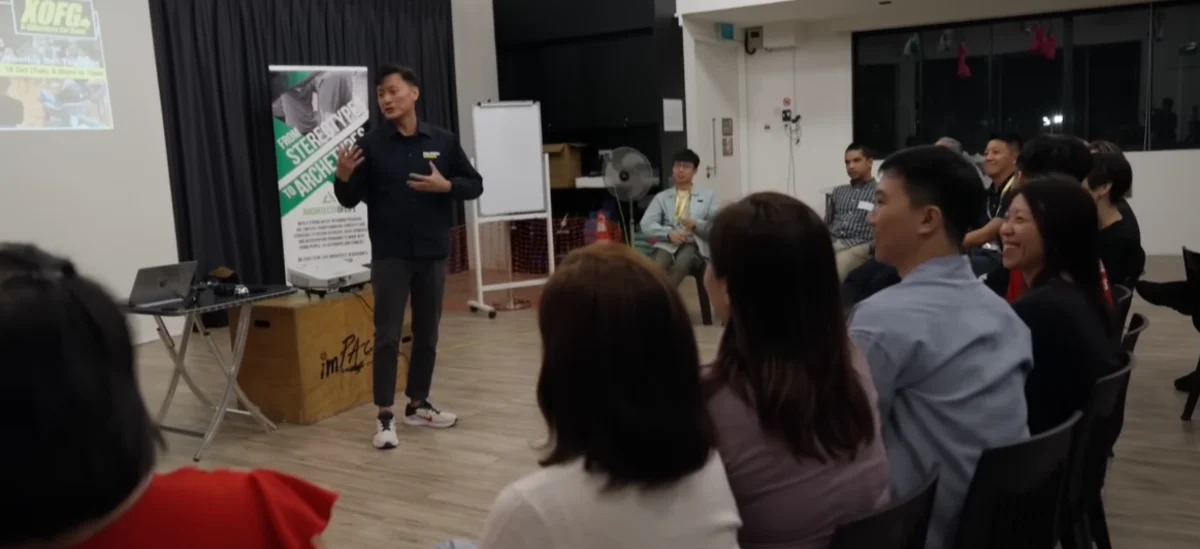
"Architects of Life came about when I really wanted to give back ... We run programs, education, as well as counselling services because no one gets to change in isolation. One of my deep passions is really the whole conversations and dialogue with the next generation."
[Dr. Yvette van der Eijk, who leads research to support tobacco policies in Singapore] "Tobacco companies have actually been interested in cannabis since the 1970s and, as of now, all of the major transnational tobacco companies have invested in [the] cannabis industry. So, the tobacco industry actually uses quite a wide range of lobbying tactics."
[Luke Chan] "At the age of around 15 yeas old, my friend introduced me to cannabis … from that until the age of 17, I saw a couple of my friends who [were] taking methamphetamine. So, from there I was thinking, hey since I'm already taking this cannabis, why not try something harder? And that led me to a full-blown 3-4 years of addiction."
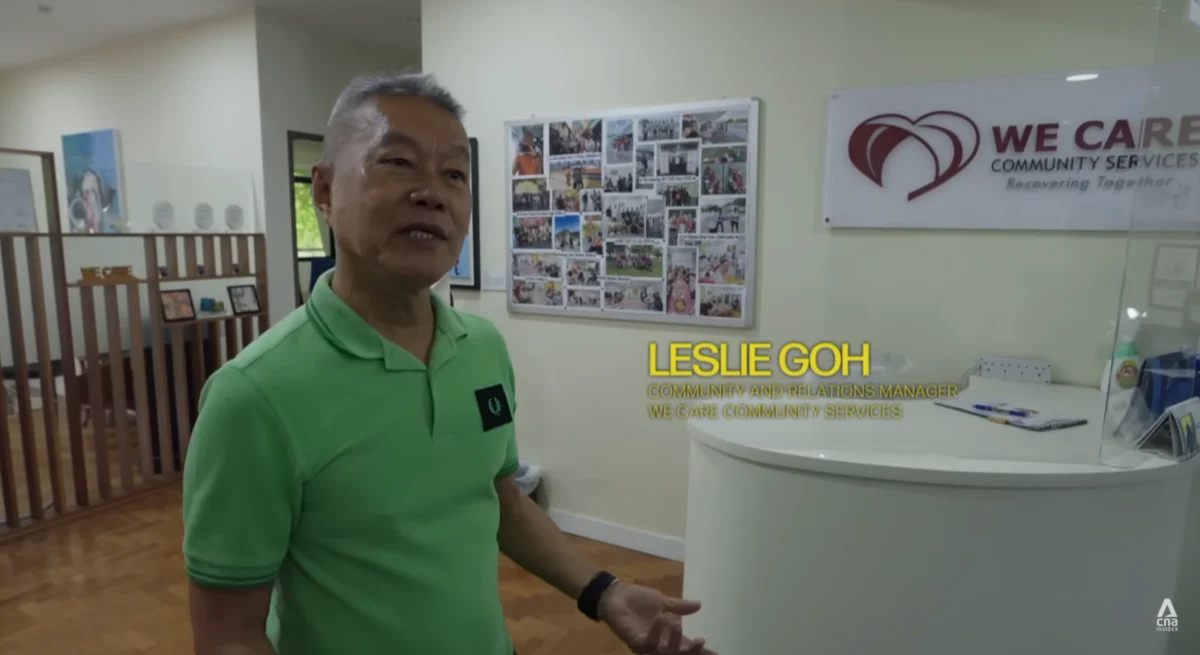
"I think what is unique about us [WE CARE Community Services] really is that this space is safe, is non-judgmental, so everything that happens at the centre is voluntary. People come here [and] they can connect with other persons who are a little bit further down the [road in] recovery."
"Break the Cycle started 5 years ago. I realized there was a social gap where the community was needed to support ex-offenders and I also recognized that the cycling, as a sport, was also a very highly social activity. As an ex-offender myself, I understand that to break a habit is very difficult. You can't just say, I quit or I stop. You need to replace a bad habit with a good habit."
1 Cannabis is not itself a chemical, but it contains many chemical compounds, including THC and CBD. Cannabis use can lead to cannabis use disorder, with risk increasing among people who begin using at a younger age or use more frequently. Cannabis use has also been associated with psychosis, schizophrenia, depression, and suicidal thoughts and behaviours, although these associations do not necessarily establish that cannabis directly causes these outcomes.
2 Thailand tightened its cannabis regulations shortly after this documentary was released. In June 2025, new rules prohibited the sale of cannabis without a prescription and reclassified cannabis buds as a controlled herb, significantly restricting the largely unregulated access that followed decriminalization in 2022.
3 The amount of THC consumed is not necessarily the same when cannabis is smoked and eaten; it depends on factors including the product's THC content and the amount consumed. Edible cannabis generally takes longer to produce effects and can remain active considerably longer than inhaled cannabis, which can increase the risk of consuming too much before the full effects are felt.
4 Singapore retains the death penalty for trafficking specified quantities of certain controlled drugs, but it is no longer mandatory in every qualifying case. Changes that took effect in 2013 gave courts limited discretion to impose life imprisonment instead under specific circumstances, including for some couriers who substantively assist authorities or meet specified conditions relating to impaired mental responsibility.
Continue Learning
Explore the topics covered in this resource with the links below. Whether you're looking for a quick overview, an in-depth article, or another video, these resources can help deepen your understanding. If there's a topic you'd like to see covered or you're looking for something specific, feel free to contact me.
Explore the topics covered in this resource with the links below. If you're looking for something specific or have a suggestion, feel free to contact me.



Share Your Review
Your perspective matters. By sharing your honest thoughts, you can help others understand what this resource is really like beyond a simple summary. Whether it resonated with you, challenged your thinking, or wasn't what you expected, your feedback helps build a more useful and transparent collection of addiction and mental health resources.
Your perspective matters and helps improve this collection of addiction and mental health resources.
There are no reviews yet. Be the first one to write one.