7 Days: The Opioid Crisis in Arkansas
Introduction
7 Days: The Opioid Crisis in Arkansas shares the stories of individuals and families whose lives have been shaped by addiction, overdose, and recovery. Through firsthand accounts and expert perspectives, the documentary explores the realities of opioid use disorder and the devastating impact the opioid crisis in Arkansas has had on people and communities across the state.
The film also examines how prescription opioids contributed to the crisis and the subsequent rise of heroin and fentanyl, while highlighting overdose, treatment, recovery, and community efforts to support those affected. Alongside stories of loss are those of survival and recovery, offering a deeply personal look at the people behind the crisis.
7 Days was a 2022 nominee at the 46th Annual Mid-America Emmy® Awards in the categories of Documentary – Cultural and Director – Short Form or Long Form Content.
The Opioid Crisis in Arkansas
The Arkansas Opioid Recovery Partnership is using opioid settlement funds to support community-based responses to the crisis. Through its Community Advocate Network (CAN), the initiative connects communities across Arkansas with harm reduction, prevention, treatment, and recovery resources while building partnerships between local organizations, healthcare providers, first responders, schools, and other community groups.
Additional Resources:
Share This Resource!
Share This Resource!
Quotes
"Opioids do more than just stop pain. They also make us comfortable. They often have been used incorrectly to stop many types of pain, so that can be psychological pain, emotional pain because they do bring about a certain level of euphoria. But because of that euphoria, we can develop mechanistic changes in our brain that take us to the point that we desire or crave opioids more than we desire or crave other things that are necessities in our life, and that in and of itself is what opioid use disorder is – it's a disease rather than a moral failing."
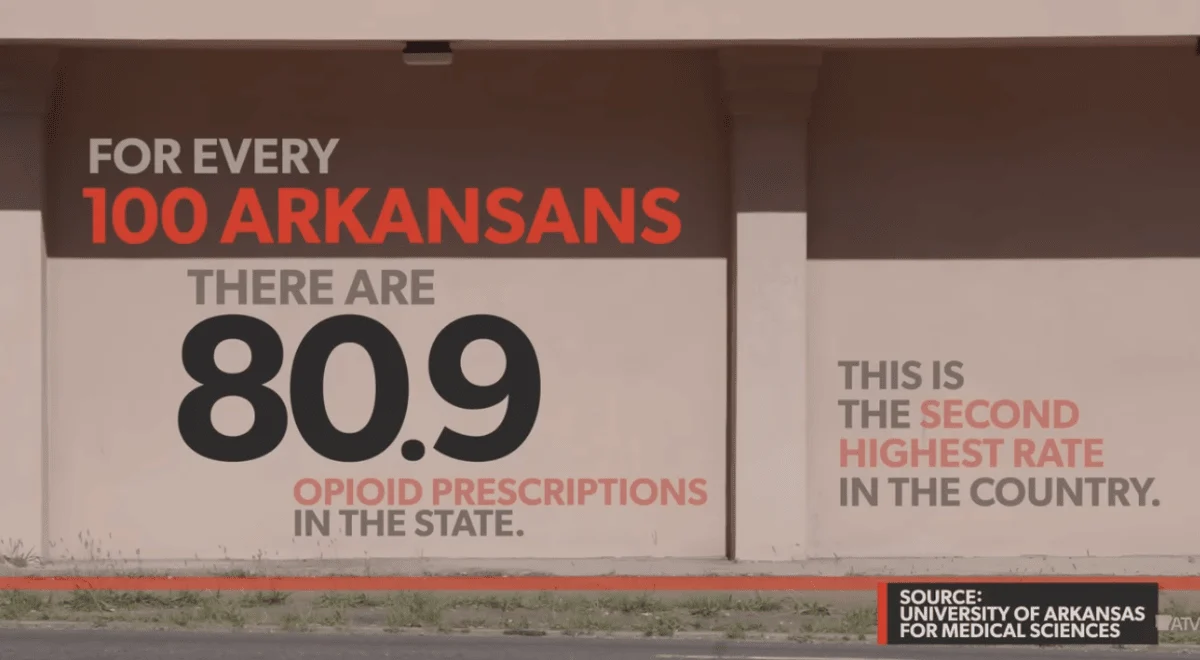
"When we realized we have this huge problem and doctors need to prescribe less of this, we had so many people that were already dependent on the medication … and when you decrease the supply, then patients have to turn to other sources … like heroin and now, unfortunately, things like fentanyl."1
"When I found it and I first started doing heroin, I was surprised at how amazing it made me feel. I was kind of expecting it to make me sick or to be really scary, but it was not – it was incredible. I remember thinking, this is how I want to feel for the rest of my life. The feeling of trying to change the way I felt, that was what I was searching for, something outside of myself to make myself feel comfortable … it was a constant search and chase."
"Something clicked in my brain, it was like a solution to all of my problems, so from then on, that was my solution for everything. Any emotion I didn't like, anything, I would take pain pills ... I started to become physically addicted to this stuff ... then it got to where your body builds up tolerance, so those smaller pills weren't strong enough, I had to get stronger ones, and it just progressed from there."
"Heroin felt like a warm blanket coming out of the dryer and someone wrapping you super tight in it. It just stopped all the problems for that moment; it made me just slow down … it was just a calming feeling I guess but also it was killing me."
"Towards the end of my addiction there was a period of time [with] drugs that were currently hitting the streets that were cut with fentanyl. I was so sick in my addiction that that's what I needed to get high – straight heroin, pure heroin, didn't touch me, so I overdosed 13 times all together on heroin and fentanyl."2
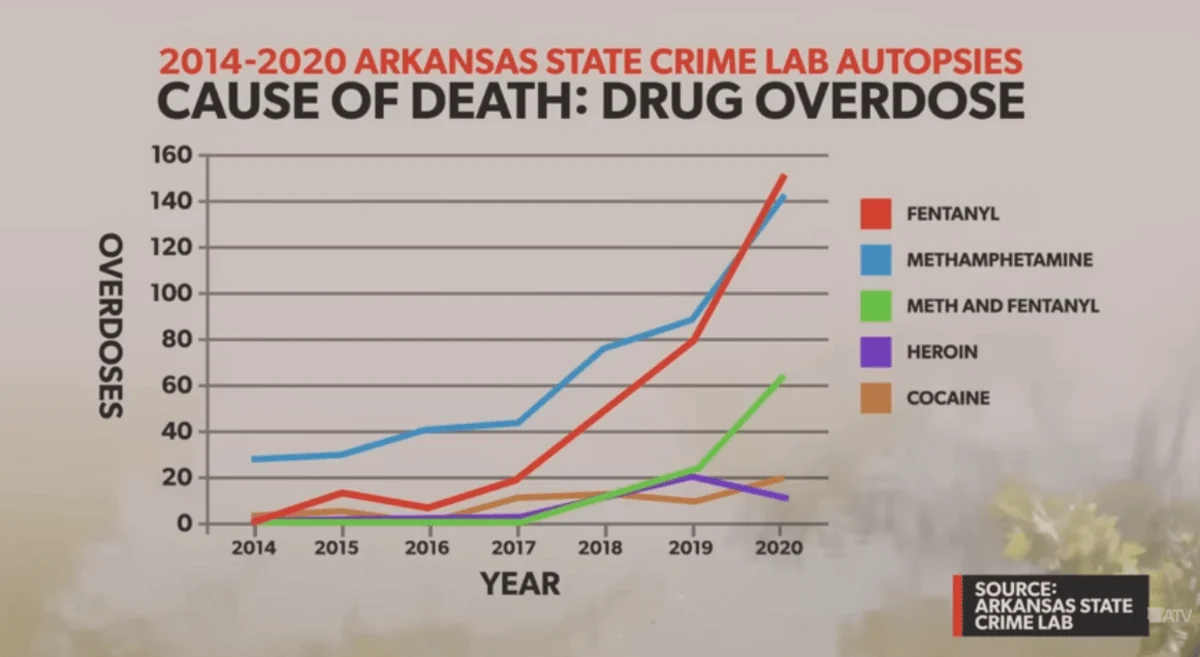
"Fentanyl is very serious. It's now become our number one drug threat. Last year we exceeded methamphetamine fatal overdoses with fentanyl overdoses. It's very deadly if not used correctly and these individuals that are using it on the street have very minimal knowledge of its power and that's why we're seeing overdoses."3
"Dr. Seuss said, don't cry because it's over, smile because it happened, and Haley happened to this world, she truly happened to all of us. We're so lucky to have had her in our lives. She had a positive impact on all of us, and we hope you'll continue to tell Haley's story as you move forward. We know the sun will come up again tomorrow. For a while it may not be as bright as it once was, but in time we will laugh more and cry less and forever hold her in our hearts."
“I think the other thing that's hard about losing your child, about losing anybody probably, is we don't have any new memories anymore. The only memories we have are captured in pictures and videos and I can now only remember or see her in a way that has already happened.”

"This is a very important night tonight - International Overdose Awareness Day. The one thing that everybody on this bridge has in common is we hate the disease of addiction. It has taken something from us, and we all want to do something to change that."
"I'm just thankful that I made it out alive because there are many people that don't and they didn't plan that, they didn't want that to happen for their life. So, I'm grateful for this life and I don't ever, ever want to go back."
1 Restricting opioid prescribing helped reduce access to prescription painkillers but also created unintended consequences for some people already dependent on opioids. Researchers have documented how many individuals transitioned from prescription opioids to heroin and later to illicit fentanyl, which became widespread because it is inexpensive to produce, highly potent, and frequently mixed into other drugs.
2 Fentanyl is approximately 50–100 times more potent than heroin and has increasingly contaminated the illicit drug supply. While opioid tolerance can lead people to seek stronger substances, fentanyl's extreme potency and unpredictable presence in street drugs substantially increases overdose risk, even among long-term opioid users.
3 Since this documentary was released, overdose patterns in Arkansas have shifted. State reports indicate opioid-related deaths have declined from their 2021 peak, and preliminary data suggest deaths involving methamphetamine and other psychostimulants now slightly outnumber those involving synthetic opioids, though fentanyl remains a major contributor to overdose fatalities statewide.
Continue Learning
Explore the topics covered in this resource with the links below. Whether you're looking for a quick overview, an in-depth article, or another video, these resources can help deepen your understanding. If there's a topic you'd like to see covered or you're looking for something specific, feel free to contact me.
Explore the topics covered in this resource with the links below. If you're looking for something specific or have a suggestion, feel free to contact me.


Share Your Review
Your perspective matters. By sharing your honest thoughts, you can help others understand what this resource is really like beyond a simple summary. Whether it resonated with you, challenged your thinking, or wasn't what you expected, your feedback helps build a more useful and transparent collection of addiction and mental health resources.
Your perspective matters and helps improve this collection of addiction and mental health resources.
There are no reviews yet. Be the first one to write one.