On the Frontline of Thailand's War on Drugs
Introduction
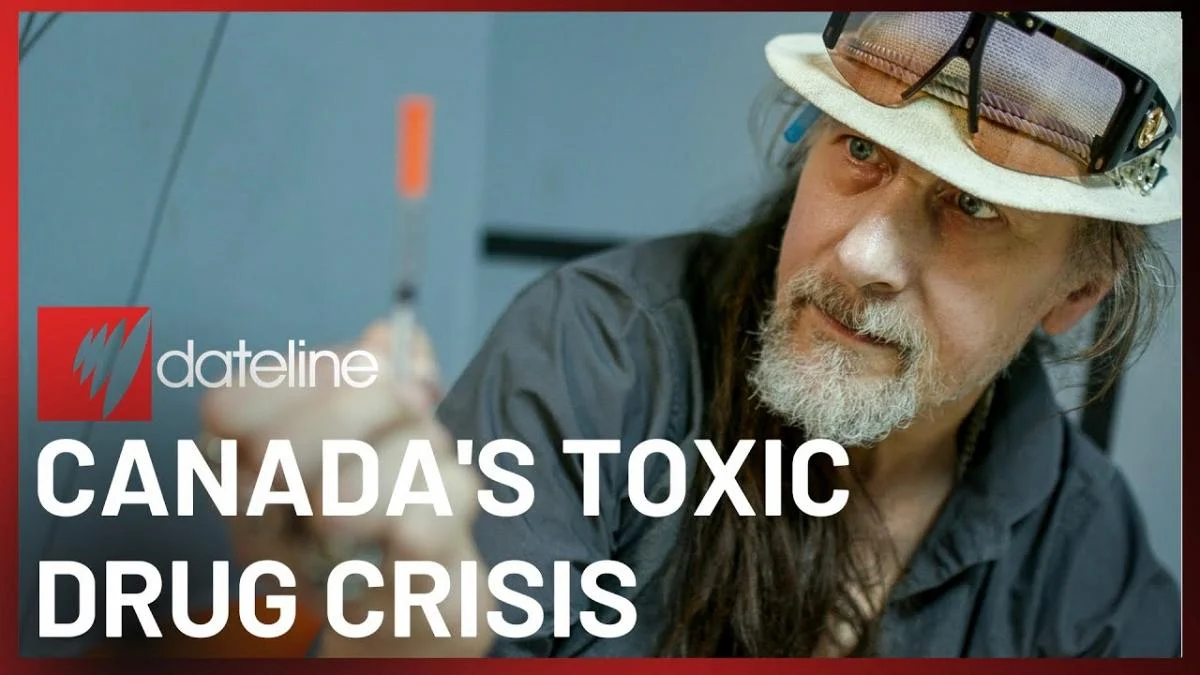
Thailand has long maintained some of the strictest drug laws in the world, pursuing a hardline approach that resulted in severe penalties for drug offenses and one of the most overcrowded prison systems in Southeast Asia. This 2022 episode of SBS Dateline examines the country's ongoing war on drugs during a period of major policy change, when Thailand became the first nation in Asia to decriminalize cannabis in an effort to reduce prison overcrowding and stimulate tourism. Since then, Thailand has reversed course and reintroduced restrictions that limit cannabis use to approved medical purposes.
The documentary also explores the widespread use of yaba, a stimulant drug containing methamphetamine and caffeine that has become one of Thailand's most significant drug-related challenges. Much of the region's methamphetamine supply originates in the Golden Triangle—the border region where Thailand, Myanmar, and Laos meet—which has become a major hub for synthetic drug production and trafficking.
Through interviews with anti-trafficking units, social workers, and people with lived experience, SBS Dateline examines the impact of yaba, drug trafficking, incarceration, and shifting drug policies on communities across Thailand.
Additional Resources:
Share This Resource!
Share This Resource!
Quotes
"In June this year, Thailand legalized cannabis. Touted as a plan to complement the wellness industry, a raft of cannabis businesses have popped up overnight."1
"Highland Cafe is Thailand's first legal weed cafe. Catering primarily to locals at the moment, word is starting to spread about Thailand becoming Asia's answer to Amsterdam. It's pretty mind-blowing to be here in a store where doing this probably would get you locked up 12 months ago, and now it's being used to hopefully lure tourists back into the country."2
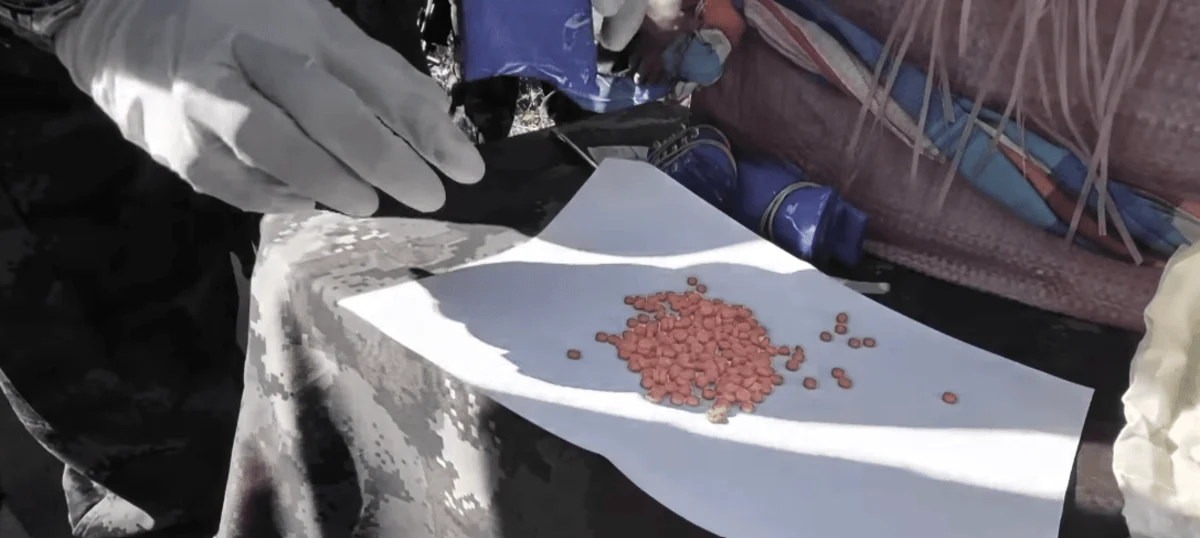
"A former hotbed for heroin smuggling, the region is now flooded with synthetic drugs. The most problematic one for Thailand is a meth pill called yaba. In the first seven months of this year, Pha Muang (a specialist military unit targeting drug smugglers) seized 120 million yaba pills, almost double the amount from last year."
"The 2021 coup in neighbouring Myanmar has not only led to political instability; it's also resulted in meth and yaba being produced at extreme levels to fund the fight against Myanmar's military. This flood of drugs means it's cheaper and more available than ever before and it's having a devastating impact in some of the most vulnerable parts of the country."
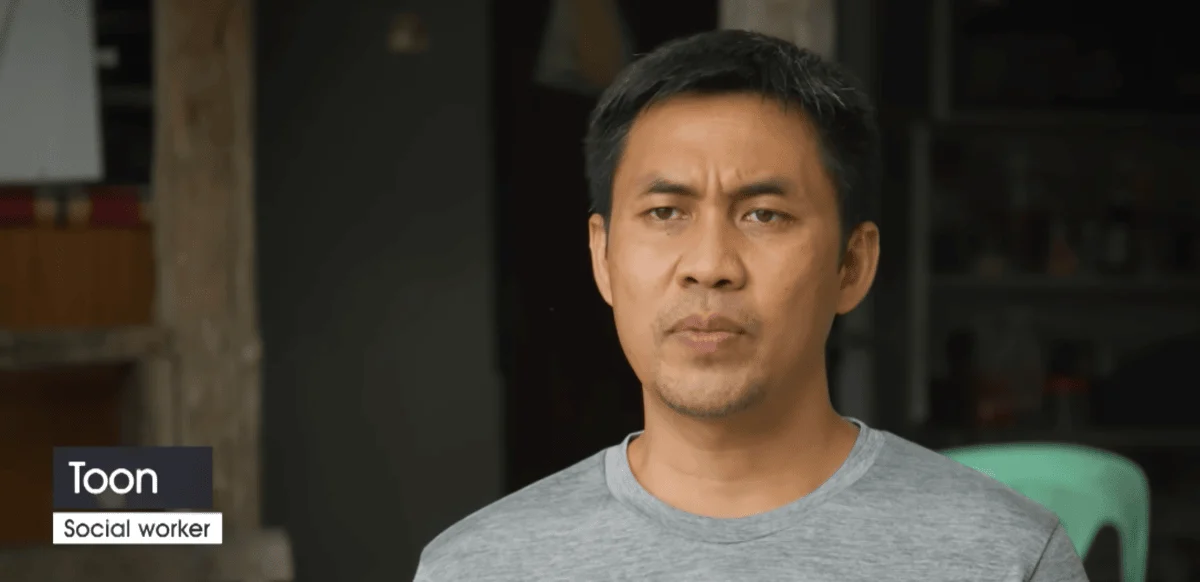
"If we look at the government policy on drug issues every year, it is all about the reward for officers, the reward for police and the reward for the army. They focus only on suppression, but what about the community or people? The government has ignored these people."
"She (Mae Vivorn) estimates that 80% of the households in this village have someone using yaba … Nearly all the families in this village have been impacted by yaba. And many addicts from this region have found themselves jailed for a minor offence."
"Thailand previously considered anything over 0.375 grams of hard drugs trafficking, a charge that attracted a minimum four-year sentence. As a result, 80% of the inmates here are jailed on drug charges. This hardline approach, coupled with the influx of cheap drugs, has led to a prison system running at triple its official capacity."
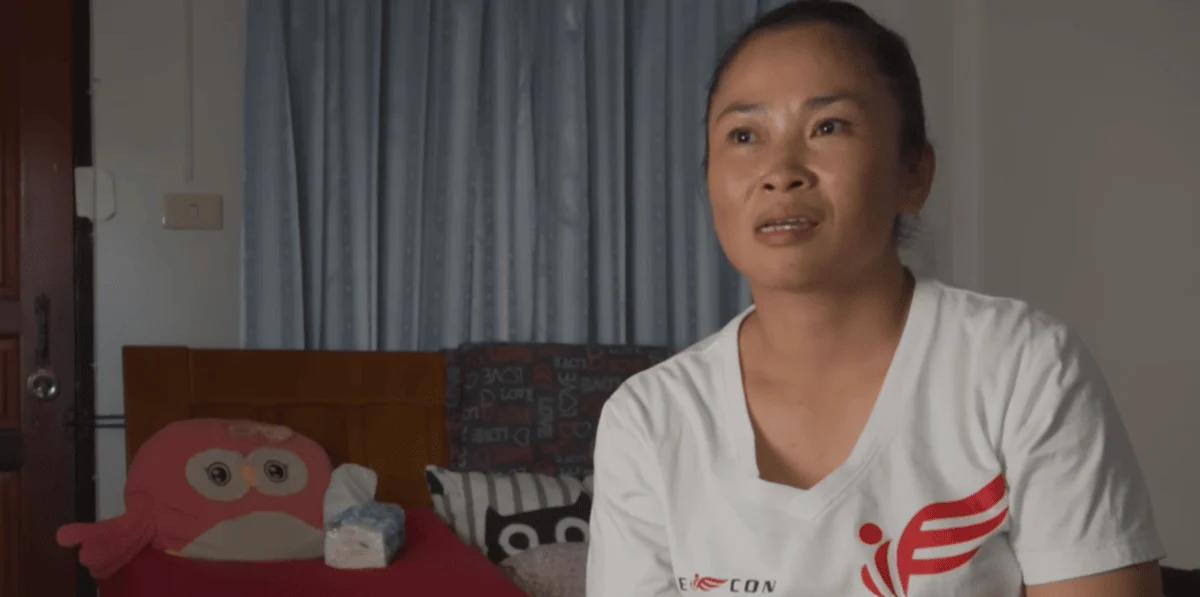
"On the first day that I was in, I couldn’t eat or sleep. I cried all the time, thinking of who was going to take care of my kids. It was very crowded, a lot of people. It was very difficult in there."
"Thailand is softening its hardline approach to drugs in a bid to lower prison populations and lure tourists back. But for inmates jailed under the former regime, the real challenge lies outside the prison walls."
"Women make up 14% of Thailand's total prison population. That’s the world's highest ratio of female inmates."3
"We will never win the drug war because the drug problems that exist in this world, in Thailand’s community, are so much more complicated than any human in any position can comprehend. Because drug problems in Thailand are related to inequality, poverty and opportunity – this is why the problem persists. The government intends to suppress rather than prevent the problem. So, in my opinion, the policy should be questioned because it has failed."
1 Beginning in 2025, Thailand began restricting cannabis sales to medical use only after concerns emerged about the rapid growth of an underregulated recreational cannabis industry.
2 Following Thailand's shift to a medical-only cannabis model, more than 7,000 cannabis shops closed as stricter licensing requirements made it difficult for many businesses to continue operating, resulting in substantial losses for some owners who had invested heavily after cannabis was decriminalized.
3 As of December 2025, women accounted for 38,236 of Thailand's 301,020 prisoners (12.7% of the total prison population). The female prison population increased by 10% during 2025 and remained above the official capacity of women's facilities.
Continue Learning
Explore the topics covered in this resource with the links below. Whether you're looking for a quick overview, an in-depth article, or another video, these resources can help deepen your understanding. If there's a topic you'd like to see covered or you're looking for something specific, feel free to contact me.




Share Your Review
Your perspective matters. By sharing your honest thoughts, you can help others understand what this resource is really like beyond a simple summary. Whether it resonated with you, challenged your thinking, or wasn't what you expected, your feedback helps build a more useful and transparent collection of addiction and mental health resources.
Your perspective matters and helps improve this collection of addiction and mental health resources.
There are no reviews yet. Be the first one to write one.