Camp Phoenix: Inside Afghanistan's Heroin Hell
Introduction
This short documentary takes viewers inside Camp Phoenix, one of Kabul's largest drug rehabilitation centres, to examine Afghanistan's growing addiction crisis following the Taliban's return to power in 2021. Through on-the-ground footage, interviews, and firsthand accounts, independent reporter Akshay documents the challenges faced by people living with addiction as international funding disappears and rehabilitation services struggle to operate.
The film also follows Babrak, a former mujahideen fighter and recovering addict who now helps run Camp Phoenix despite severe shortages of staff, medication, and resources. Alongside the stories of those seeking recovery, the film explores how decades of war, poverty, unemployment, and widespread drug availability have contributed to Afghanistan's addiction crisis while highlighting the resilience of those working to offer hope under extraordinarily difficult circumstances.
Note: Since this documentary was released, reports have continued to document serious concerns about Afghanistan's compulsory drug rehabilitation system. Investigations have alleged that some Taliban-run rehabilitation centres rely on forced detention, inadequate medical care, food shortages, physical abuse, and compulsory labour rather than evidence-based addiction treatment. Taliban officials maintain that these programmes are intended to remove drug use from the streets and help people recover, but human rights organizations and journalists have raised ongoing concerns about conditions inside these facilities.
Additional Resources:
Share This Resource!
Share This Resource!
Quotes
"The Taliban is bringing addicts to Camp Phoenix rehabilitation, one of Kabul's largest rehabilitation centers with 1,000 beds. This rehabilitation camp once was a US military base. In 2015, as a part of a broader effort to combat the rising addiction crisis, the then Afghan government converted it into a rehabilitation center. However, since the Taliban's takeover, all international funding has been halted, and Afghanistan's foreign assets have been frozen. As a result, addicts are now brought to this camp which operates with little to no treatment facilities."
"We are happy being collected. We became human from garbage. We were really not a human. We didn't know whether we were human or animal. Half our life was spent in high and other half of our life was spent in a hangover. We don't know how our life is spent."
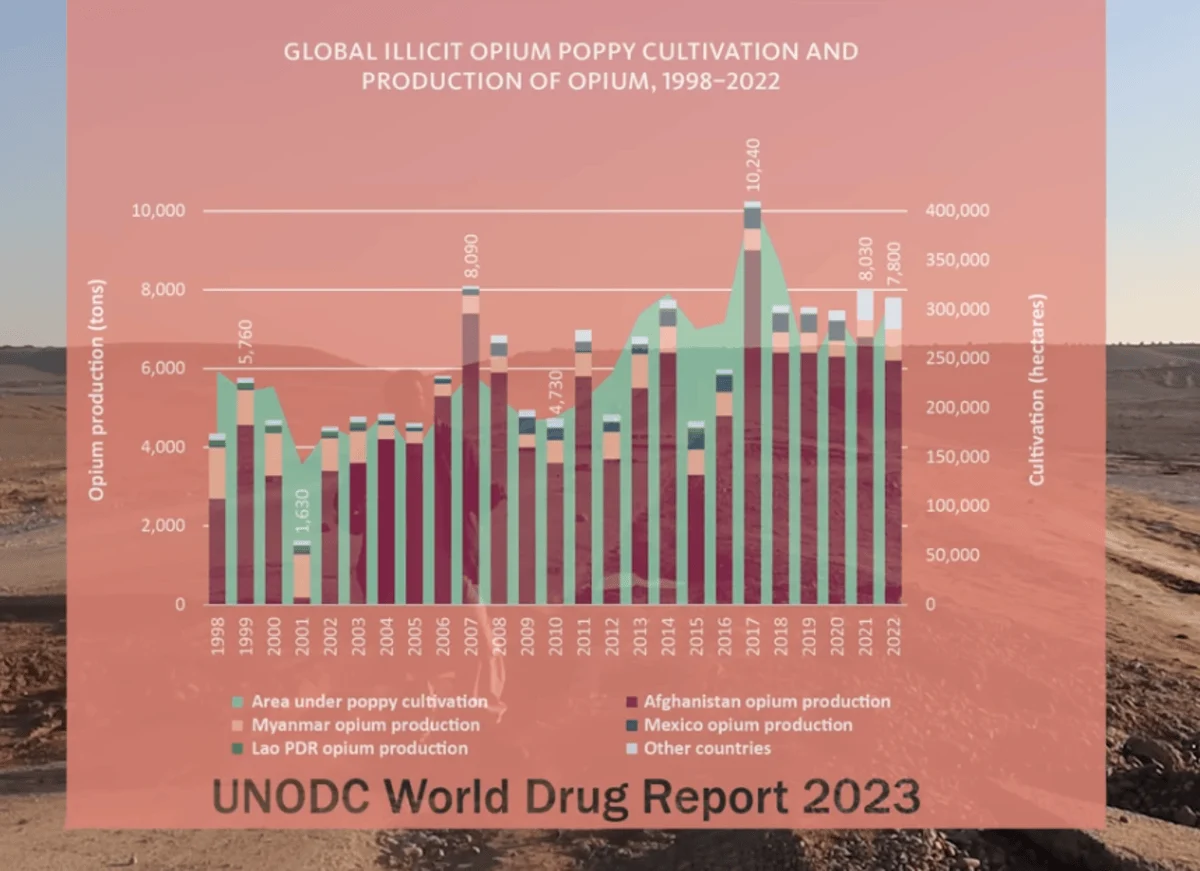
"Afghanistan: a nation that has endured over 40 years of war. The two-decade long conflict between NATO and the Taliban left the country in ruins … Decades of war have fueled extreme poverty and widespread unemployment. At the same time, the period saw an exponential rise in Afghanistan's illegal poppy production, generating billions of dollars. According to the UN Office on Drugs and Crime (2023) report, 80% of the world's illicit smuggled across borders into Russia, China, Europe, and North America."
"As an Afghan, it's really sad for me to see my people suffering from these kind of bad situations. They are living under really, really bad conditions under the bridge and this is the result of war in Afghanistan for 20 years. NATO and their allies and other countries came to Afghanistan. USA invaded Afghanistan and brought all these results and situations ... see what they did to my people."
"The Taliban government claims that since Islam strictly prohibits substance use, it is committed to eradicating addiction across all 34 provinces of Afghanistan."
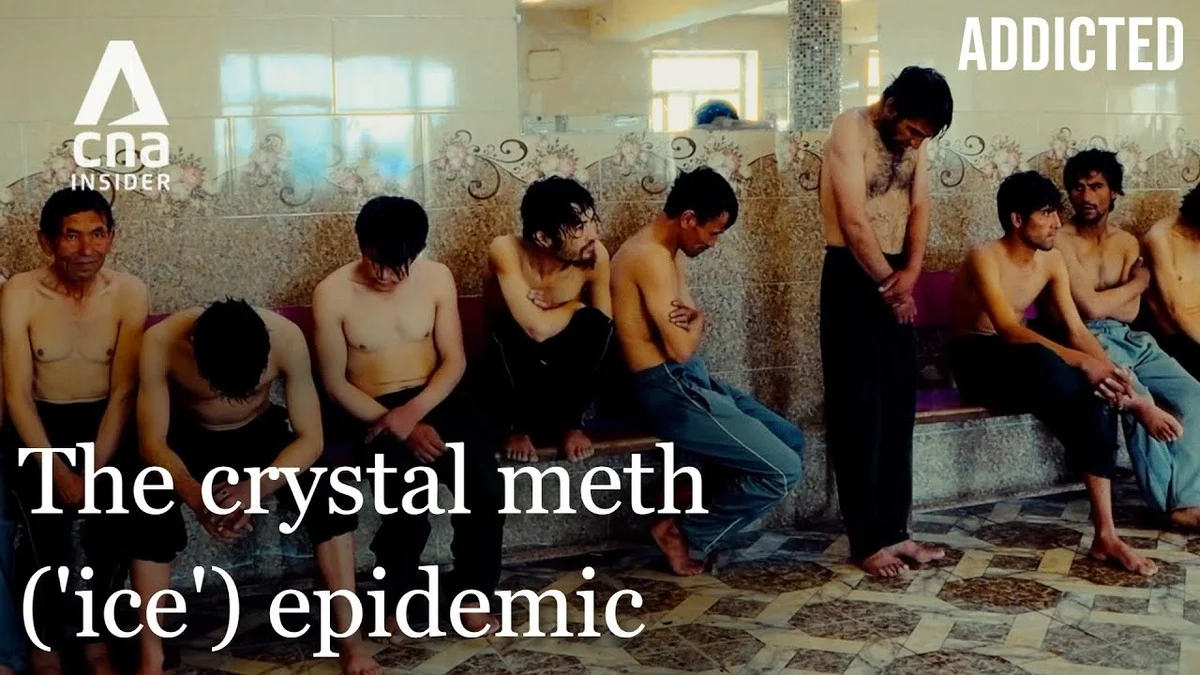
"This center struggles to provide even the most basic medical care. Those undergoing recovery often experience difficult withdrawal symptoms and the lack of medicines makes harder for them to heal."
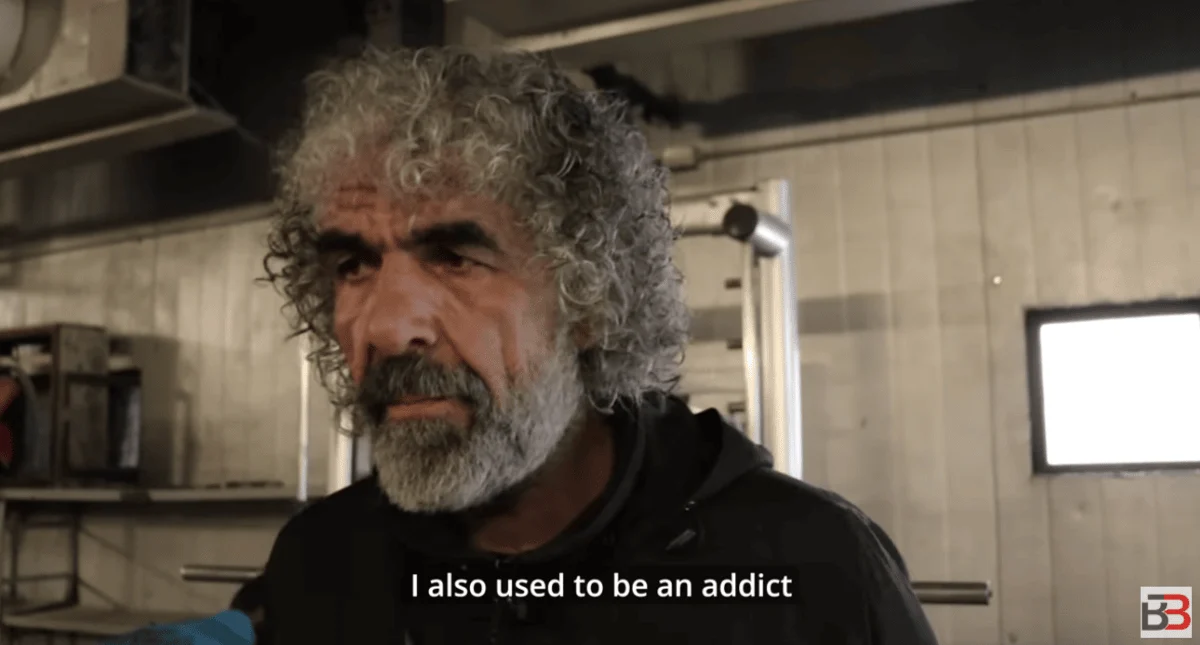
"Day and night, just like this, I will help them ... exercise itself guarantees your health. Exercise is a very good thing. Daily, I myself do exercise one and half hour. It's been 6 years that I have stopped taking drugs. I never get tired. Sometimes I am awake 5 days and night. I never get tired as long as I help these people."
"Despite the challenges, [Camp Pheonix] offers some support: meal, shelter and the community of people who are working towards recovery. Babrak, a former mujahideen fighter and once addict himself, now helps run this rehabilitation center. Though the conditions here are poor, he believes it's still better than the streets. At least the addicts receive some support."
"Many of the individuals here are educated. Some lost their families in the war, while others have spent years unable to find employment. With no escape from the harsh realities of their lives, many turned to substance abuse as a coping mechanism. A large number of them once had dreams and ambitions, but the prolonged crisis in Afghanistan had stripped them of any hope for a better future."
Continue Learning
Explore the topics covered in this resource with the links below. Whether you're looking for a quick overview, an in-depth article, or another video, these resources can help deepen your understanding. If there's a topic you'd like to see covered or you're looking for something specific, feel free to contact me.



Share Your Review
Your perspective matters. By sharing your honest thoughts, you can help others understand what this resource is really like beyond a simple summary. Whether it resonated with you, challenged your thinking, or wasn't what you expected, your feedback helps build a more useful and transparent collection of addiction and mental health resources.
Your perspective matters and helps improve this collection of addiction and mental health resources.
There are no reviews yet. Be the first one to write one.