Thai High
Introduction
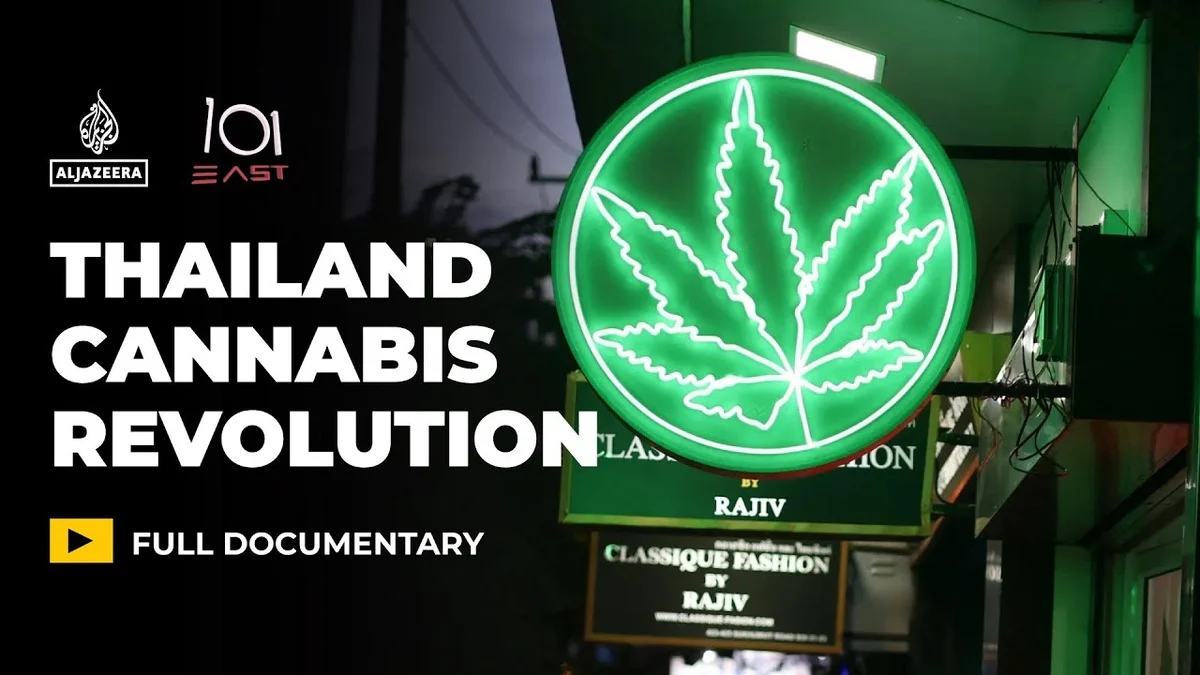
Thailand has made a dramatic shift in its cannabis policy, moving from strict prohibition to partial decriminalization and igniting a billion-dollar weed industry. Cannabis has long played a role in traditional Thai medicine, but in the 1970s Thailand aligned with the US-led war on drugs, classifying cannabis as a narcotic and imposing harsh penalties. That changed in June 2022, when the government removed cannabis from the narcotics list, effectively decriminalizing the sale and personal use of weed.
As Australia revisits its own cannabis laws, Southeast Asia correspondent Mazoe Ford travels across Thailand to meet a new wave of 'ganja-preneurs' seizing the opportunities of this booming green economy. Along the way, she explores the legal grey areas surrounding recreational cannabis use, the concerns raised by medical professionals, and the broader debate over Thailand’s cannabis experiment. However, since this documentary was released, Thailand has reintroduced restrictions that limit cannabis use to approved medical purposes.
Additional Resources:
Share This Resource!
Share This Resource!
Quotes
"Officially, the Thai Government says cannabis should only be for medical or therapeutic use. But the change in the law has left a grey area when it comes to recreational use. And not everyone’s on board. I want to find out how Thailand got to this point, and whether it’s destined to become the Amsterdam of Asia."1
"In Bangkok's upmarket Sukhumvit area, Kitty Chopaka is still feeling shocked that cannabis has been unleashed ... She can now legally sell real cannabis, alongside the cannabis-flavoured lollies she's known for. Kitty's a cannabis smoker and a passionate advocate for what she says are the beneficial effects of 'ganja'. These cannabis flowers have high levels of THC – that's the psychoactive chemical that gets people high. But Kitty says with responsible use it's not harmful."
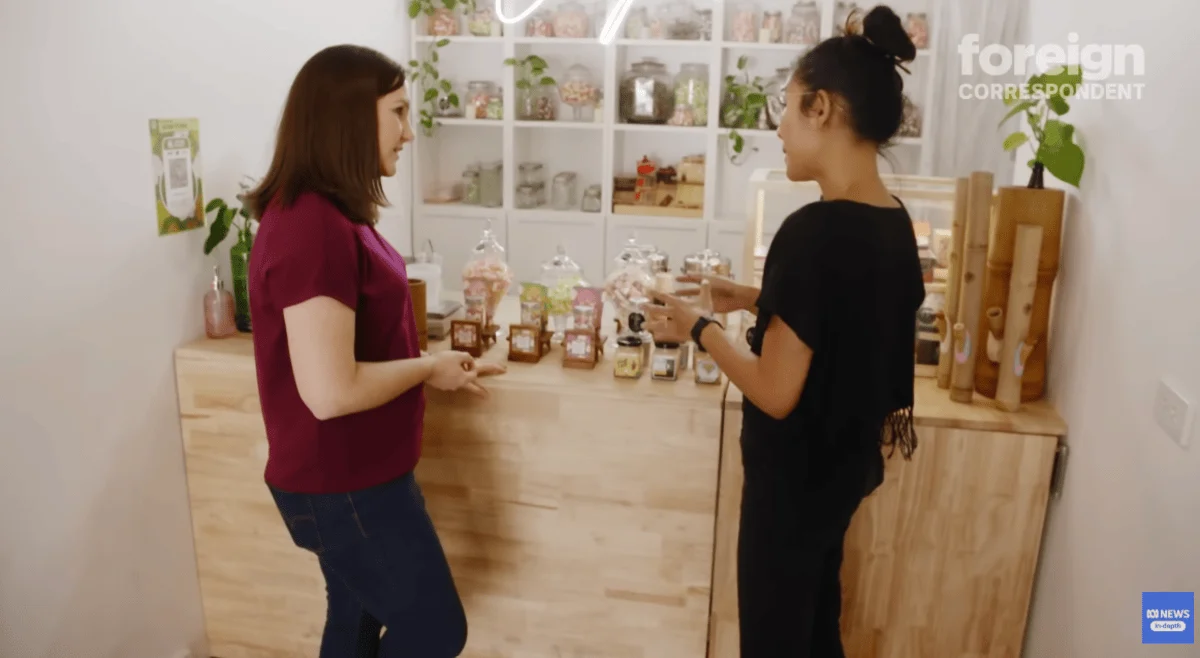
"The actual first question we ask is have you used it before, and then kind of really go through the process of what they want out of it. How to use safely is one of the key things. And how to use responsibly."
"Cannabis used to grow wild in Thailand and was valued in traditional medicine, before it was clamped down on with a tough Narcotics Act in the 1970s, during the US-led war on drugs. For 50 years, growers, dealers and users faced stiff penalties. Not anymore. It was taken off the banned narcotics list in June this year, but there was no law spelling out who could use it or how."2
"Soranut Masayavanich, or 'Beer' as he's known, is a licensed cannabis dispenser. He opened his shop on the day the law changed. Back when he was a teenager, 'Beer's' use of cannabis cost him dearly. He was an actor starring in TV series and movies. 'Beer' avoided jail, but the stigma ended his acting career. He went into the illegal cannabis industry, raking in thousands of dollars a month."
"The change in the law has been life-changing for many. In the past, being caught with cannabis meant jail for thousands of people ... On the day cannabis was no longer classed as a narcotic, they were released, along with 3,000 other prisoners – an unbelievable turnaround in a nation known for its zero tolerance to drugs."
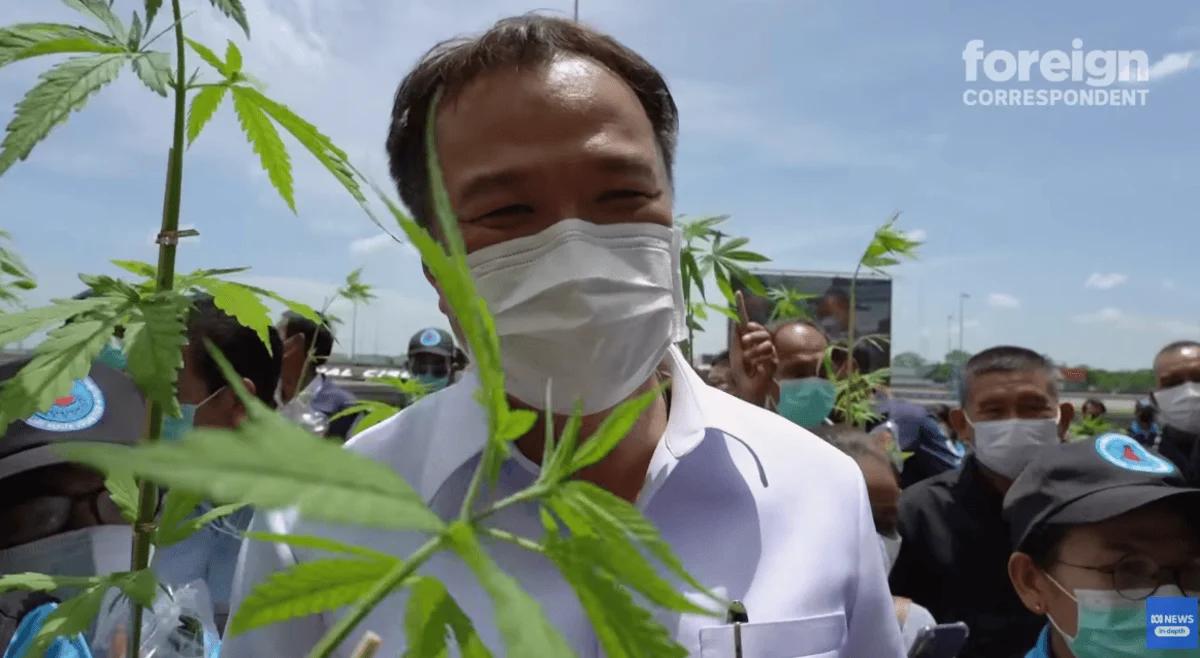
"This is Thailand's Public Health Minister, Anutin Charnvirakul, the day after cannabis was decriminalized. Government-controlled medicinal cannabis had already been legal for four years, but Anutin put the plant back in the hands of the people, literally handing it out for free. At the last election he campaigned, promising that people could grow and use the plant at home as medicine, and farmers would have a new cash crop. And it was a winner. Anutin's party got the votes, the people got the cannabis."
"This is one of the first community-run farms to be licensed. It started off growing cannabis high in the therapeutic chemical CBD for a local hospital but is now also planning to sell plants directly to the public … Farmers right across the country can now apply to grow all types of cannabis."3
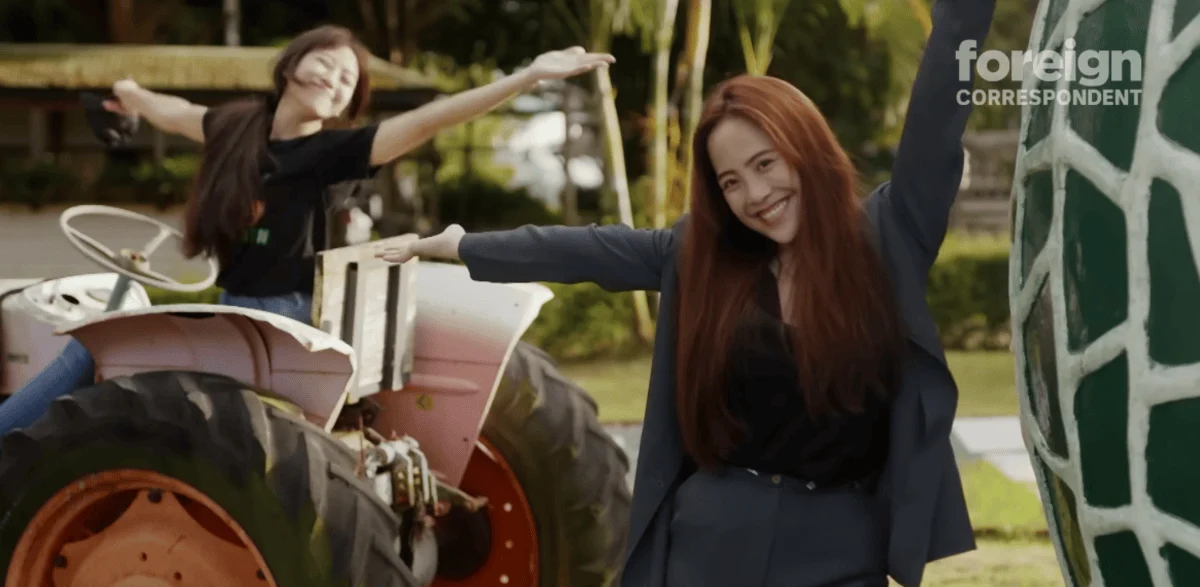
"Jomkwan and Jomsuda are loving life as 'ganja-preneurs' ... They started off supplying the local hospital, now they're branching out into the recreational market. They had to outlay $80,000 to set this business up, and broke even in the first year. A square metre of melons used to earn them about $20. Cannabis fetches close to a thousand."
"Allowing cannabis is fine but it should have come with rules, regulations, advice and policies. Instead they legalized it, leaving us to work it out, or use it without knowing much ... There's no curriculum on drugs and cannabis. It's out of date. The minimarts opposite schools can sell drinks infused with cannabis water. This shows the policy to legalize cannabis came out, but without any precautions."
"Doctor Chanchai Sittipunt is the dean of Chulalongkorn University's Faculty of Medicine. He's concerned by the recreational use he's seen. More than 1,000 Thai doctors have pleaded with the government to suspend cannabis decriminalization until the new law is finalised by the parliament."
"Thailand is famous among young travellers for its full-moon parties on Koh Pha Ngan. Some take drugs here, but no one's hiding cannabis anymore. It's not just young people lighting up at parties. Across the water on Koh Samui, this up-market beach club is catering for everyone. Ready-rolled joints are now a feature of the menu."
1 Beginning in 2025, Thailand began restricting cannabis sales to medical use only after concerns emerged about the rapid growth of an underregulated recreational cannabis industry.
2 Prior to 2022, cannabis was classified as a Category 5 narcotic under Thai law. Police could conduct warrantless searches on suspected drug offenders, and people who tested positive for THC could be arrested and prosecuted for cannabis consumption.
3 To cultivate legally, growers must register as agricultural facilities, obtain Good Agricultural and Collection Practices (GACP) certification, and secure contracts with state-approved clinics, hospitals, or licensed medical operators.
Continue Learning
Explore the topics covered in this resource with the links below. Whether you're looking for a quick overview, an in-depth article, or another video, these resources can help deepen your understanding. If there's a topic you'd like to see covered or you're looking for something specific, feel free to contact me.

Share Your Review
Your perspective matters. By sharing your honest thoughts, you can help others understand what this resource is really like beyond a simple summary. Whether it resonated with you, challenged your thinking, or wasn't what you expected, your feedback helps build a more useful and transparent collection of addiction and mental health resources.
Your perspective matters and helps improve this collection of addiction and mental health resources.
There are no reviews yet. Be the first one to write one.