Thailand's Cannabis Revolution
Introduction
From university laboratories researching cannabis-based treatments to Buddhist temples offering cannabis products and government-run clinics providing cannabis oil, the investigation examines how the new policy was being implemented and received by the public. Supporters envision new treatments and economic opportunities, while critics raise concerns about safety, regulation, scientific evidence, and exaggerated medical claims.
As Thailand begins a dramatic departure from its longstanding approach to cannabis, 101 East asks how much of the country's promised cannabis revolution is genuine progress—and how much is political hype.
Cannabis Laws in Thailand
Thailand's cannabis policy changed dramatically after this documentary was released. The country moved beyond medical cannabis in 2022 by removing the plant from its narcotics list, triggering the rapid growth of dispensaries, cultivation, and a largely unregulated recreational market. After several years of political and public-health debate, Thailand began tightening its cannabis laws in 2025, shifting the industry back toward medical use and introducing stricter requirements for cultivation, sales, and access.
Additional Resources:
Share This Resource!
Share This Resource!
Quotes
"A little more than a year ago, cannabis was a Class 5 drug. Anyone found possessing or using it in Thailand could get up to 10 years in prison. New laws now allow those with permits to cultivate, dispense, and study cannabis."1
"His university is one of the first to invest in Thailand's new medical cannabis industry in a big way. His department is researching the effects of cannabis on different cancers. They are also perfecting the extraction process so they can customize oils to the type of disease. There is a lot of optimism here about the medical and business potential, but not everyone is on board. Critics argue that cannabis is still a dangerous narcotic. The demand for medical marijuana is growing. Some advocacy groups estimate more than a million Thais would be interested in getting cannabis treatment."
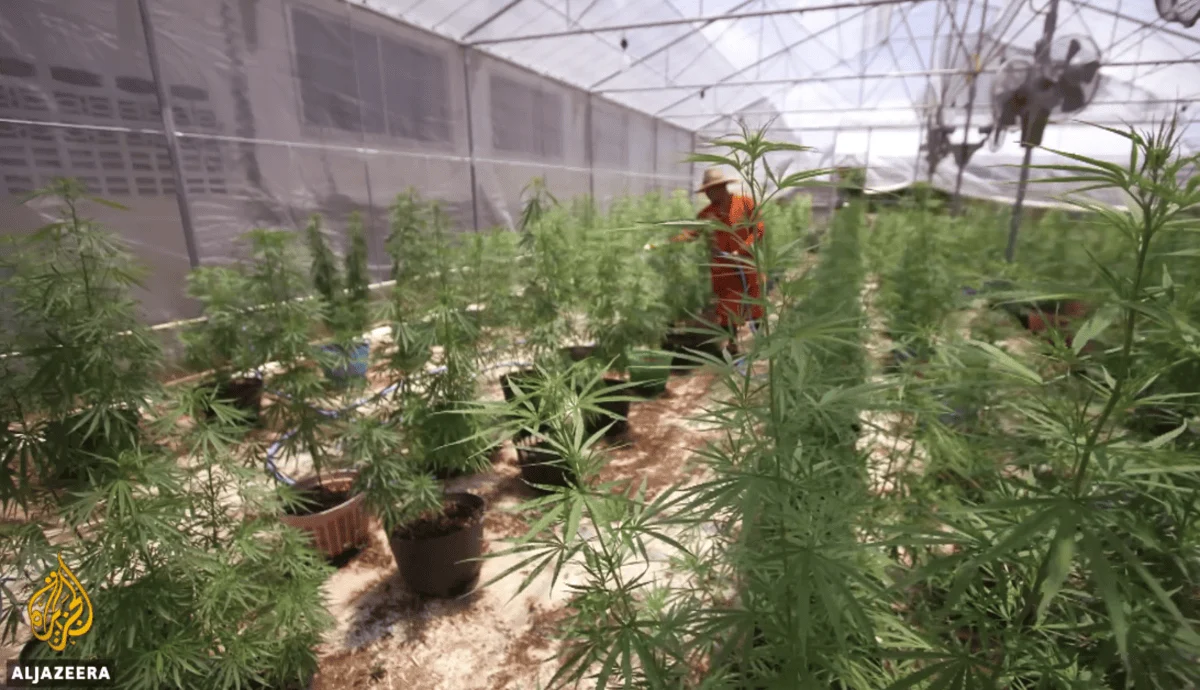
"At a temple in Thailand’s rural north, Buddhist monks grow their own cannabis and allow people to use it for treatment. There are no doctors, prescriptions or checkup calls – just come, use their plants and stay until you feel better … claims have not been scientifically proven, and experts warn that cannabis oil dispensed outside of hospitals can be contaminated by pesticides and heavy metals."2
"There's been claims that cannabis can not only cure disease, it can also provide a lucrative income. One consulting group estimates the Thai cannabis industry could be worth more than two billion dollars by 2024. Politicians campaigned on these promises."3
"Tens of thousands of people were drawn to Thailand's first cannabis festival last year. Exhibitors showed off their plants, oils and edibles. YouTubers wandered the festival in awe. Even the Prime Minister is happy to promote the government’s new mascot – They call him Dr. Ganja."4
"I'm here at the Cannabis Clinic at the Ministry of Health and they're saying that patients can come in here and get free cannabis oil if they qualify, so I’m going to go through the process and see if i can take cannabis oil home today."
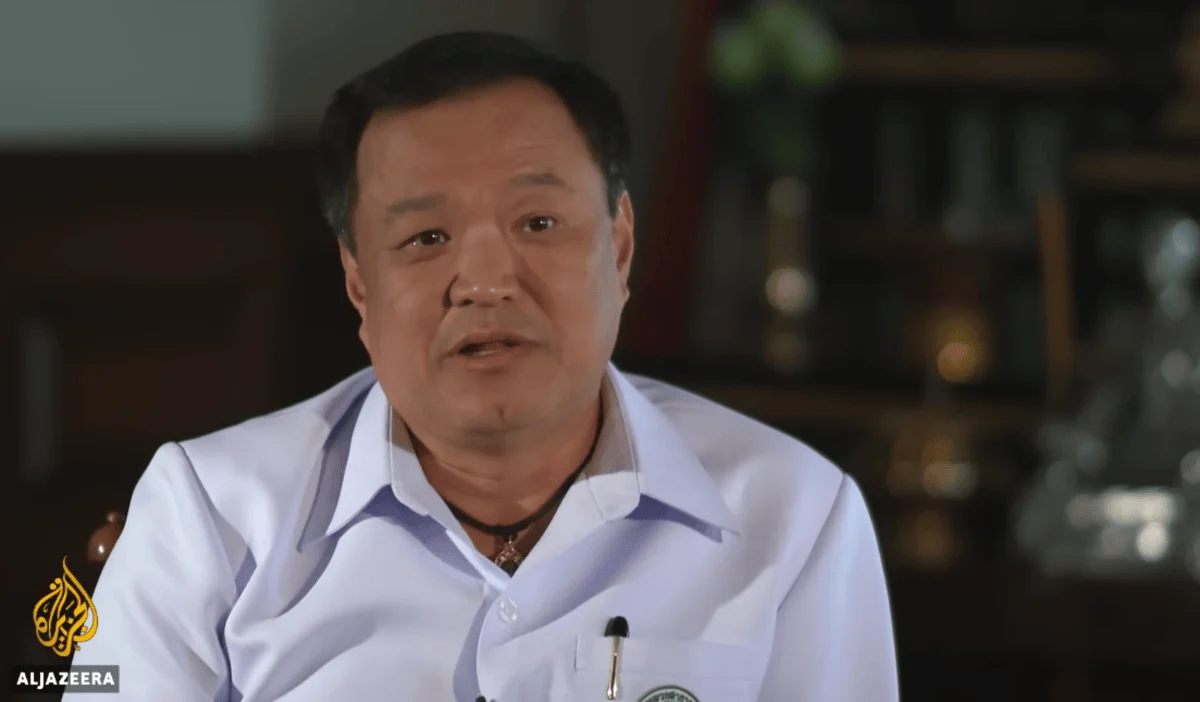
"I think Thai people actually were ready for this product long before my party launched this campaign. We heard what Thai people wanted ... Recreational use is not the purpose. Our policy is we want ill people to have options in caring themselves. We want another business opportunity for farmers, for industrialists."
"Thailand's openness towards new laws is tied to the country's deep history with the plant. Traditionally, Thai people used cannabis to treat common ailments and spice up noodle soup, but the plant has been illegal for more than 70 years and few people know how to grow it anymore."
"They start to do business; they start to sell and then they lost their way. This plant is a gift from nature. People should learn how to grow, how to use, and how to help other people. Not to make money. Because if it's to make money, this will be bad for our soul, our mind."
1 Beginning in 2025, Thailand began restricting cannabis sales to medical use only after concerns emerged about the rapid growth of an underregulated recreational cannabis industry.
2 Thailand's Sangha Supreme Council prohibited Buddhist monks and novices from growing or using cannabis on temple grounds, citing concerns that legalization could create confusion about its use within Buddhist institutions. Medical use remains permitted when prescribed by a doctor.
3 While Thailand's cannabis industry grew rapidly after decriminalization, stricter regulations introduced in 2025 led to the closure of more than 7,000 cannabis shops and significant losses for many businesses that had invested during the industry's early expansion.
4 Pan Buriram was scheduled to return in 2022 but was postponed indefinitely after legal uncertainty around cannabis production disrupted plans for vendors, growers, and competitions.
Continue Learning
Explore the topics covered in this resource with the links below. Whether you're looking for a quick overview, an in-depth article, or another video, these resources can help deepen your understanding. If there's a topic you'd like to see covered or you're looking for something specific, feel free to contact me.
Explore the topics covered in this resource with the links below. If you're looking for something specific or have a suggestion, feel free to contact me.




Share Your Review
Your perspective matters. By sharing your honest thoughts, you can help others understand what this resource is really like beyond a simple summary. Whether it resonated with you, challenged your thinking, or wasn't what you expected, your feedback helps build a more useful and transparent collection of addiction and mental health resources.
Your perspective matters and helps improve this collection of addiction and mental health resources.
There are no reviews yet. Be the first one to write one.