A Royal Hangover
Introduction
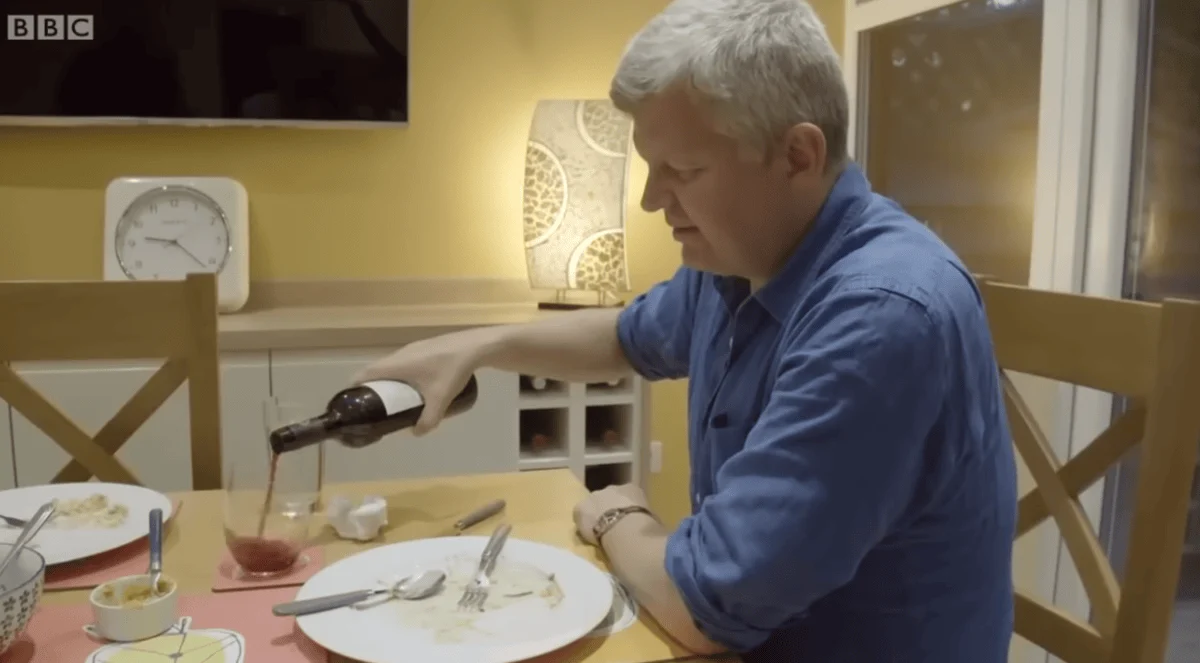
A Royal Hangover explores Britain's long-standing binge drinking culture and the social acceptance of overindulgence. The documentary examines why alcohol plays such a central role in UK society, the staggering costs of this behavior—over £21 billion annually—and the estimated 1.6 million people dependent on alcohol. Through wit, insight, and frank discussion, the film provides a clear-eyed look at the challenges Britain faces in confronting its drinking problem.
Russell Brand, who struggled with heroin, alcohol, and other addictions before finding recovery through Alcoholics Anonymous and Narcotics Anonymous, contributes his perspective to the documentary. He shares his personal journey, including the turning points that led him to sobriety, and advocates for viewing addiction as a manageable condition rather than a moral failing. Brand's candid reflections, combined with the documentary's broader analysis, provide a compelling portrait of the UK's relationship with alcohol and the urgent need for cultural and personal interventions.
Share This Resource!
Share This Resource!
Quotes
"As the sun goes down, society fades away, and what emerges from the shadows is a monster of low inhibitions, aggression and casual chaos ... You go out to get off your face. You go out and you drink a load and that's what most people understand by binge drinking. Some countries will define that as having six units of alcohol. Now, that's only two-thirds of a bottle of wine - that doesn't feel like a binge to most British people."

"We have this kind of phrase, binge drinking, making out that actually, in between these mad sessions of alcohol, people aren't using anything at all, but that's not what's happening. People are drinking all the time."
"For the past 10 years, the number of people who are under 30 who are going to the hospital for liver problems caused by alcohol has gone up 117%, and in particular regions of the country, it's even higher. So, in the northeast of England, it's gone up by 400%. I mean, these are catastrophic levels of liver damage."
"I've seen patients where I've gone in to talk to them and have made it perfectly clear to them that they are going to kill themselves if they don't stop drinking, and their response is: If those are my choices, I'm ready to die."
"Violence is a significant challenge for us: 50% of that violence we know to be fueled by alcohol. It impacts families, it impacts children, it puts a load on our hospitals and, of course, it puts a huge load on policing."
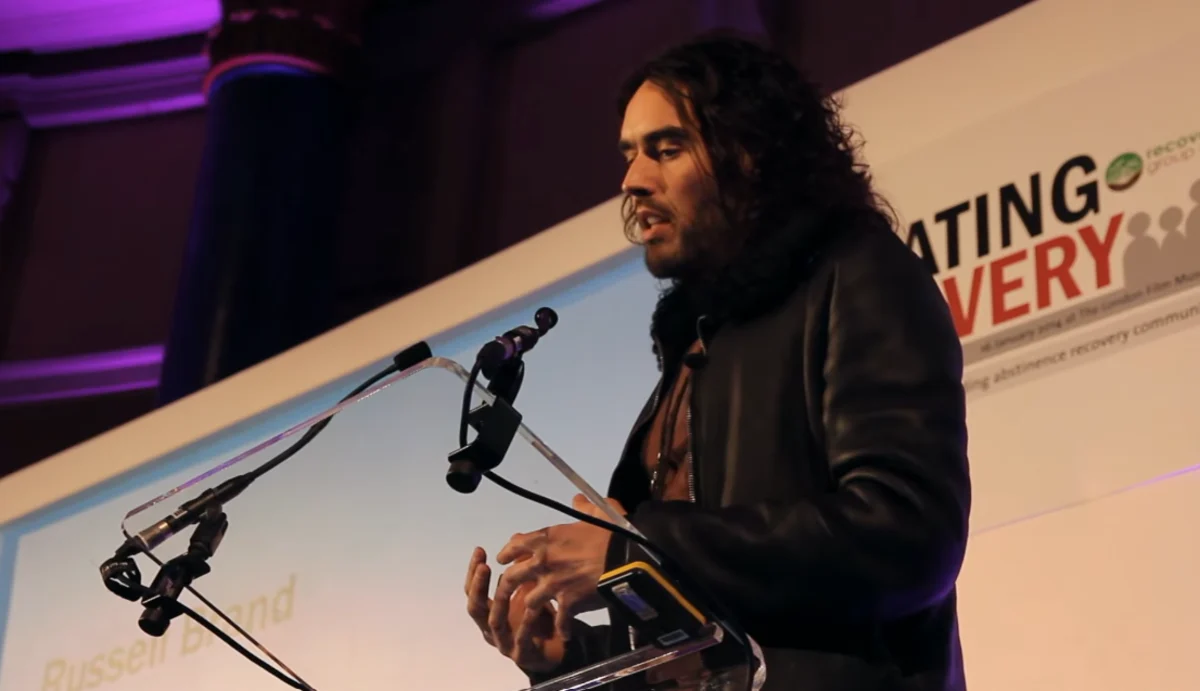
"The only community that I've ever really felt actually part of, not outside of, is the community of drug addicts and alcoholics. When I was at school, I didn't feel like I fit in. I'm the only child of a single mother and I didn't feel like I fit into my family."
"In a society where people are feeling lost, hopeless, disenfranchised, then they are going to turn to alternative ways of dealing with that: you can either choose drugs, or you can choose alcohol. So, when stuff in our life gets too much, we just turn to alcohol because it's so easy to do that."
"We know that she was an alcoholic [Amy Winehouse] ... Why did the British public refuse to believe that a woman that we saw as a walking train wreck for years that she died of alcoholism. No, she must have died of drugs. She was a tiny, tiny little girl who drank like George Best on a snag night every night of the week. Of course, she died from alcohol poisoning, but we don't want to see it."
"I think one of the most insidious changed we've seen in the last 20 years is the way the drinks industry has tried to get to its consumers younger and younger. The invention of alcopops, the marketing of alcopops by the alcohol industry to attract this new type of drinker, designed specifically at getting young people, particularly girls, into alcohol in their teens."
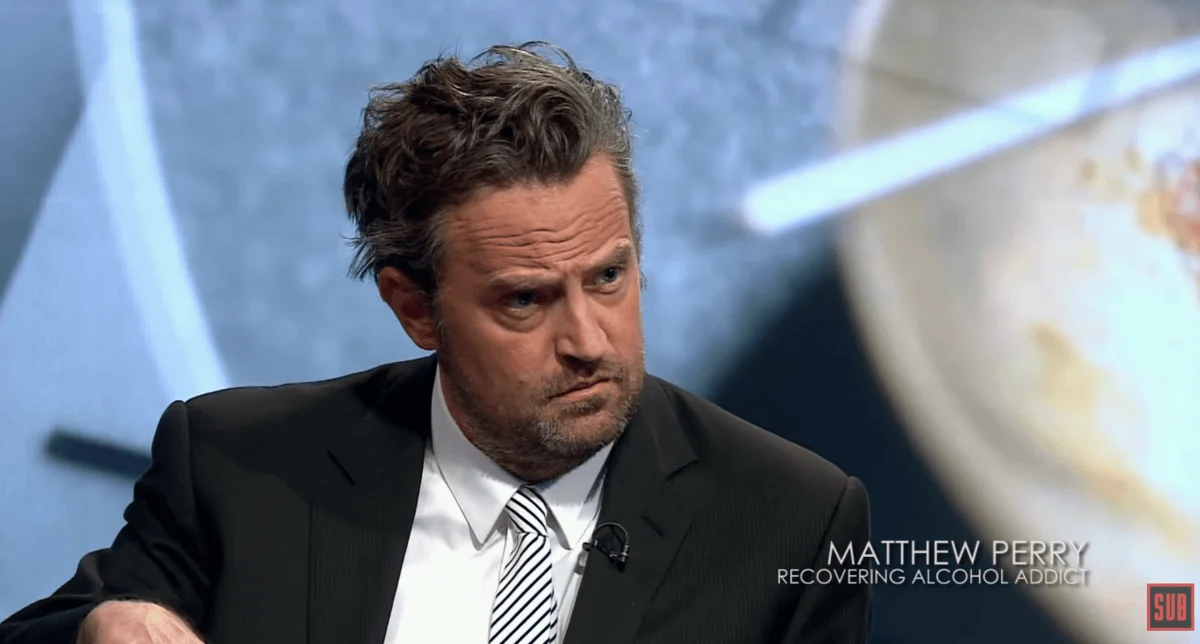
"I'm a person that if I have a drink, I can't stop, and so it would be following your ideology that I'm choosing to do that. It's an obsession of your mind, an allergy of your body. So, this is what happens to me: I start thinking about alcohol, I can't stop, I can't stop thinking about it."
"I think it's always very difficult for people who aren't an alcoholic, or who don't have a problem with alcohol, to see what it's like to be an alcoholic. It just looks stupid, it looks ridiculous."
"Access to treatment is a huge issue. Compared to drug treatment, alcohol is way down the list. I think there's a real stigma still around accessing treatment for alcohol. It's something that's still perceived to be something to be ashamed of. Something that people are afraid to admit to themselves and to others – that they've got a problem."
Continue Learning
Explore the topics covered in this resource with the links below. Whether you're looking for a quick overview, an in-depth article, or another video, these resources can help deepen your understanding. If there's a topic you'd like to see covered or you're looking for something specific, feel free to contact me.
Explore the topics covered in this resource with the links below. If you're looking for something specific or have a suggestion, feel free to contact me.




Share Your Review
Your perspective matters. By sharing your honest thoughts, you can help others understand what this resource is really like beyond a simple summary. Whether it resonated with you, challenged your thinking, or wasn't what you expected, your feedback helps build a more useful and transparent collection of addiction and mental health resources.
Your perspective matters and helps improve this collection of addiction and mental health resources.