Cocaine & Fentanyl: Destroying Lives (Addicted: The Narco Plague)
Introduction
The Narco Plague is the second episode in CNA's three-part Addicted documentary series, investigating how cocaine trafficking and synthetic opioids are fuelling violence, organized crime, and addiction around the world. Travelling from Colombia's coca-growing regions to Belgium, Sweden, the Netherlands, Portugal, and the United States, the documentary examines how the illicit drug trade affects communities at every stage of the supply chain.
Through interviews with law enforcement, humanitarian workers, public health experts, people with lived experience, and community organizations, The Narco Plague explores the devastating consequences of cocaine production, gang recruitment, fentanyl, xylazine, and open-air drug markets. Along the way, the documentary highlights the complex challenges of reducing drug trafficking while supporting prevention, treatment, harm reduction, and recovery.
This documentary is part of CNA's three-part Addicted series:
Share This Resource!
Share This Resource!
Quotes
Colombia's Cocaine War
"Six decades of conflict in Colombia, fuelled by drug cartels, have claimed 450,000 lives and displaced 8 million people to date."
"North-eastern Colombia is a major cocaine-producing region hotly contested by multiple armed guerrilla groups. The trans-national Catatumbo River, which flows into Venezuela, is the main cocaine trafficking route for markets in Europe and the USA."
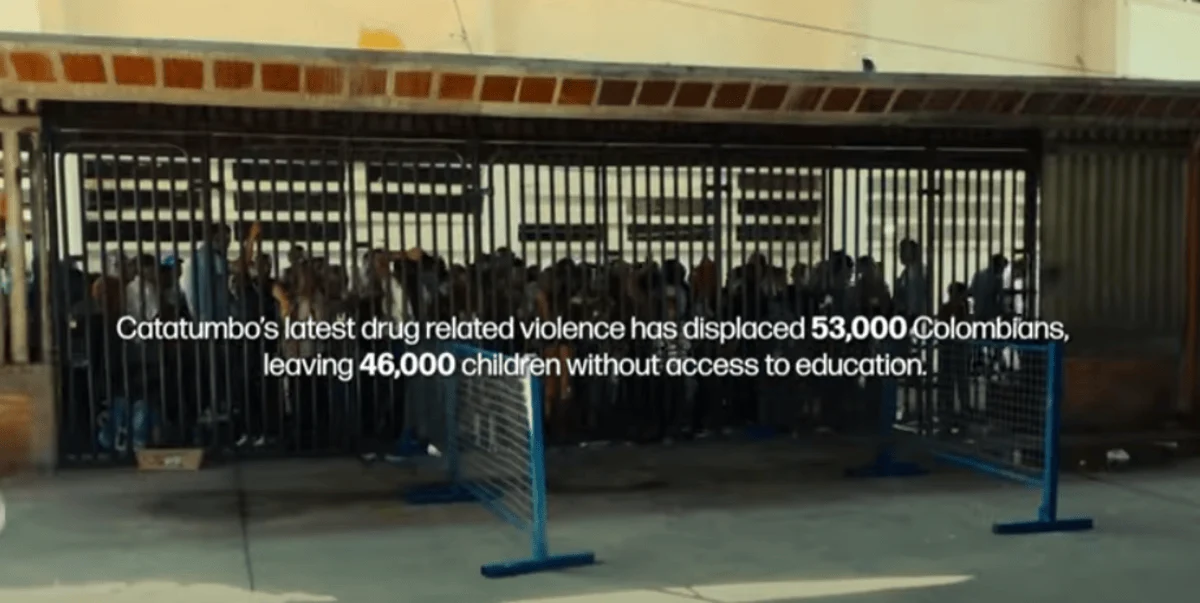
"Civilians are leaving their homes because of the fighting going on between two illegal armed guerrillas – the ELN and the GAOR E-33 FARC. Both these groups are battling over control of the drug routes."
"We have found many incidents where children are being used as human shields. Approximately 800 children have been recruited last year [2024] and this one [2025]. Forced recruitment is a war crime. The effects in many cases are irreparable. The Colombian government is trying to prevent children from being recruited. We are adding this condition on the dialogues [with the guerrillas] so that the groups do not recruit children again."
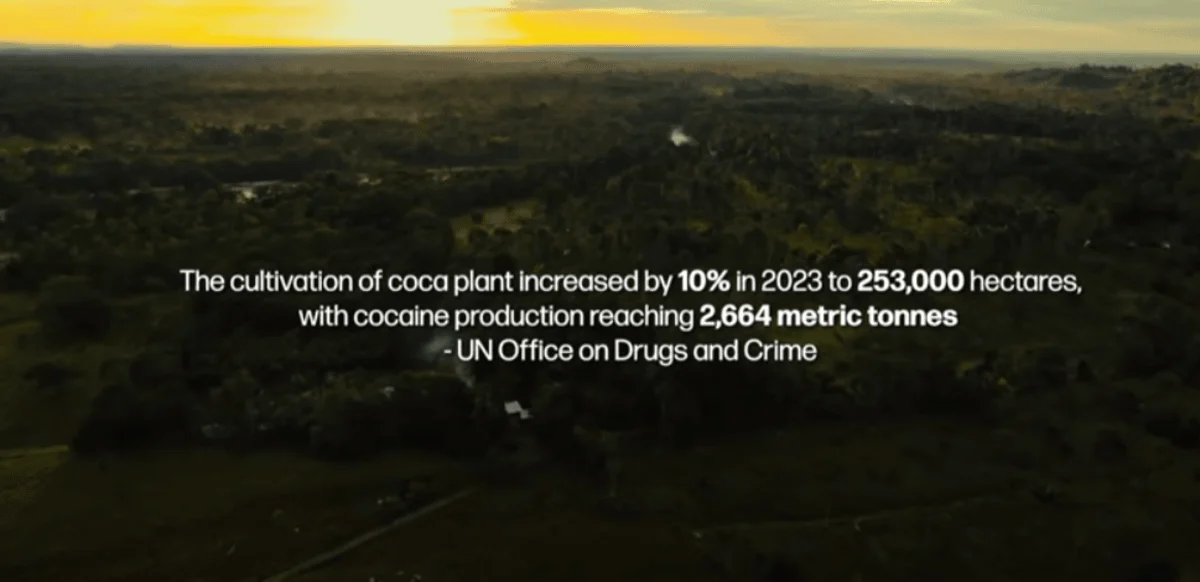
"We chop coca leaf with a scythe, a shredder. The mix goes into the drums. The next process is washing with petrol. We wash it one, two, and three times. The gasoline takes out all the coca from the leaf after we have added the chemicals to it. From the gasoline, we extract the merchandise, or the coke, with liquid sulfuric acid. Once we have the cocaine or merchandise in the sulfuric acid water, we move on to the step of adding more chemicals to separate the merchandise. The process then continues in the merchandise. Cook it in a pot over heat, a very high fire. You remove the impurities and the excess water. Remove the dirt until the pure oil remains. The pure oil of the merchandise, or the coca, that’s the product, the coca that you can sell. One gram of this paste can tell for two thousand pesos [US 50 cents]. We call this base cocaine."
"I believe there are more families involved in the making of cocaine because it is the only thing that is generating employment for us, the only thing that is giving us a way to survive. We farmers do not have another alternative because we have been abandoned by the government.”
Antwerp, Belgium
"The main producer is Colombia. Target number one is Europe. It’s not easy to control a natural weakness of the Port of Antwerp. It’s very important that criminals do not have the opportunity to take out the drugs before the customs arrive."
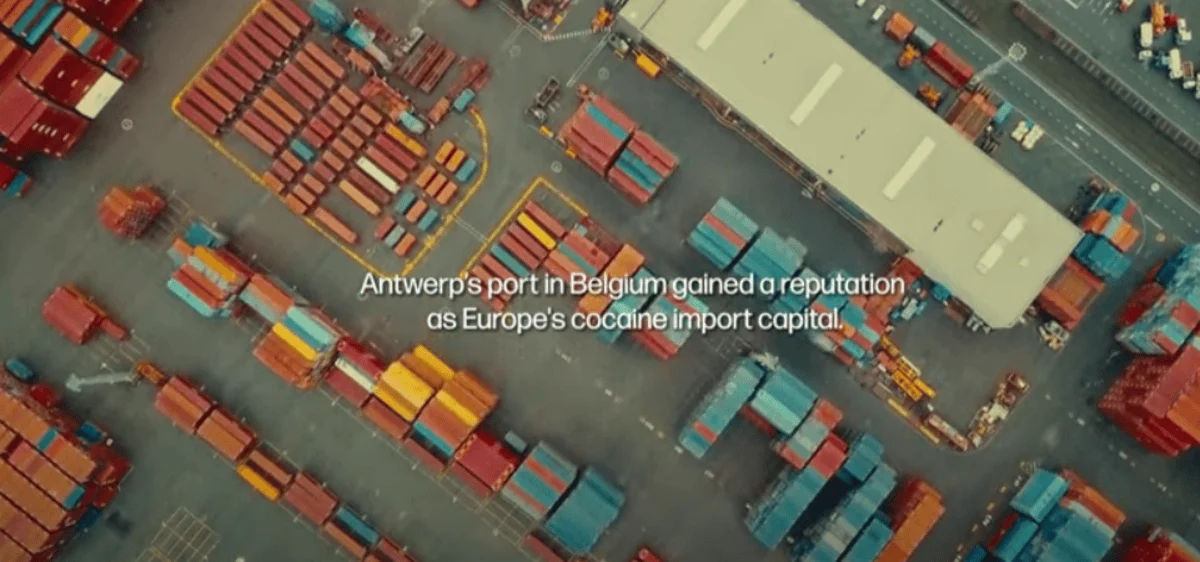
"Giving information about where a container is put, you can earn 50,000 euros … one gram of cocaine is 50 euros, so you’re not talking about 100 million euros, you’re talking about billions. If you have money then you have possibility to influence people … people who work on the terminals, policemen, customs people."
"The most common modus operandi that is still being used to traffic drugs is what we call the rip on, rip off – meaning that, in source countries, criminal organizations are putting drugs in bags behind the doors of a container and that these sport bags with the cocaine is then being recovered by people working in the destination countries."
"Cocaine now is being impregnated in legal goods, such as a timber and also a textile, and this clearly is a modus operandi which is very complicated to detect."
Vulnerable Youth - Sweden
"I’ve been doing this [selling drugs] since I was 14 years old. I've been close to death a couple times. I’ve been beaten up so badly that I couldn’t move. It’s nothing glamourous like a lot of people think. It’s a tough life. You never sleep, you’re never safe … My competition is always also armed for the most part."
"Sweden is battling a wave of drug-related gang violence. 44 people were killed in 2025. 140 bombings have taken place in 2024. The number of children under the age of 15 who are suspects in murder cases surged by 200% in 2024."
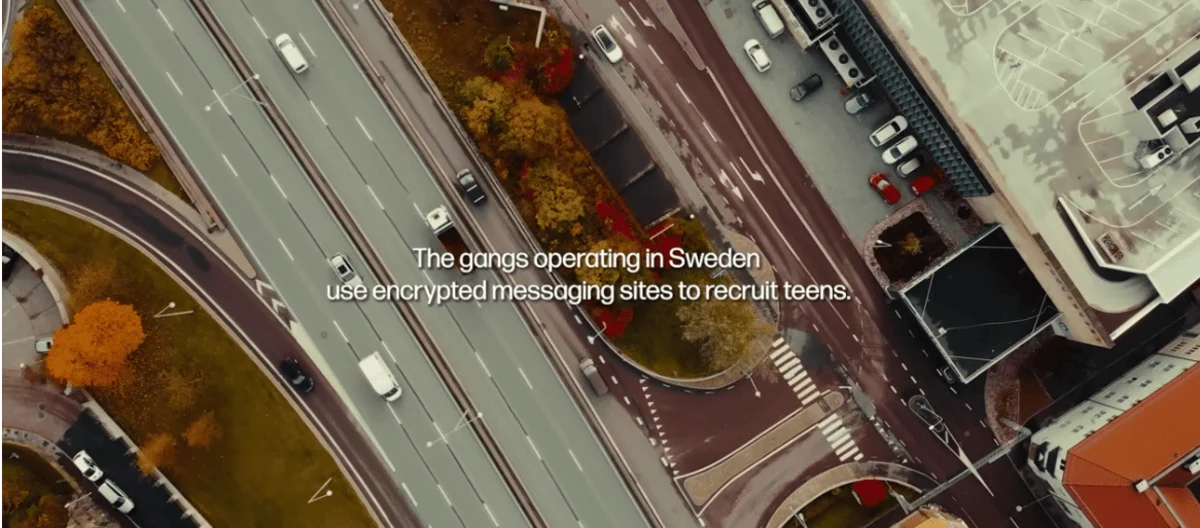
"If you are under the age of 15, you are not punishable in Sweden today. It is referred to as Crime as a Service. There are orderers [placing the order of a crime], there are recruiters [recruiting the people who will do it], there are enablers [providing weaponry, logistics etc needed for the execution], and there are executors [e.g., the shooter or bomber etc]. Murder has one price tag. A bombing has a price tag. Intimidation has a price tag."
"The Swedish drug policy has not changed much during the last 50 years. It’s on three legs, repression, treatment and prevention, and it’s still that approach that Sweden has. Sweden has a history of being one of the worst in Europe. It has become a little bit better, but we're still among the countries who have the highest level of drug-related deaths."
"You have to look beyond the drug policy. I think it has to do with … a lot of young people, who live in comparably poor neighbourhoods, with very little hope for the future, and who see that to become criminal gives you respect, it gives you money, it’s something they choose because they see few other possibilities."
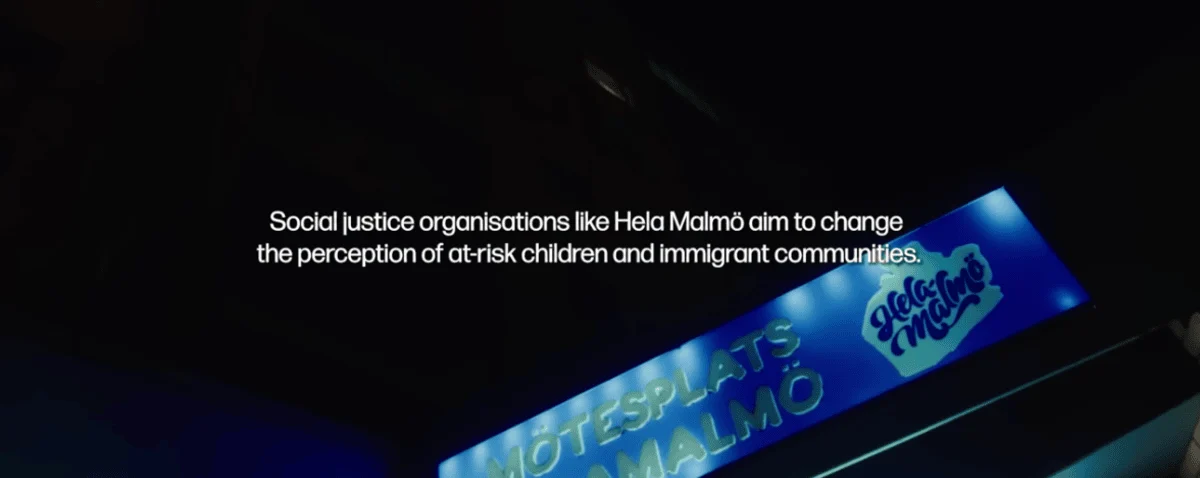
"Nydala is a particularly vulnerable area in the city of Malmö. Vulnerable Area, or Utsatt Område, is a term used by the Swedish Policy Authority for areas with low socio-economic status and high criminal activity."
"We [Hela Malmö] actually compete with what they found out on the street, where they can be recruited into gangs, for example. Stigmatization is also a factor to take in … to be 15 years old and growing up in Nydala today, you’re almost doomed before you’ve even grown up, to actually fail. And this is due to attacks from the whole of society, in my opinion. And this is because they want to profile people who have immigrant backgrounds … all of this creates a negative image of yourself that you have to grow up with. We are an alternative to that. We try to strengthen the children."
Utrecht, Netherlands
"Dutch ports seized almost 38,000 kg of cocaine in 2024. It's 40% less than the 57,000 kg seized in 2023. The government is investing €82 million to prevent Dutch children from becoming employed in the narco-economy."
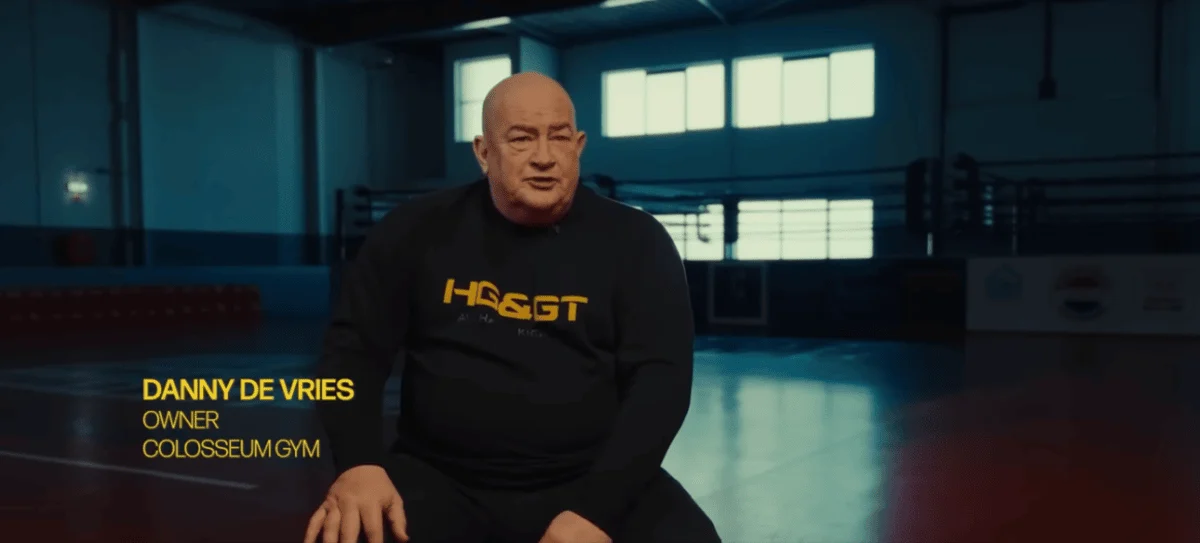
"Danny De Vries guides at-risk children to gain employment by connecting them to a network of entrepreneurs at the gym [The Colosseum Gym]."
"In combat sports, discipline and respect are the core values … what we try to do in our program is [that] these boys always need intrinsic motivation. If I look at all the boys we’ve had in the last three years, deep down inside, they all actually want a stable life and peace."
Lisbon, Portugal
"There has been a huge increase in drug-related violence everywhere in Europe. The European Police Agency, Europol, together with the FBI, has allowed us to dismantle entire networks."
"People have been trying to replace heroin with opioids. In the European Union, in the last 27 years, we have discovered 1,001 new substances on the drug market – all synthetics."
Philadelphia, USA
"Synthetic opioids like fentanyl mimic the effects of opium or heroin and are 100 times more deadly. 527,344 Americans have died from opioid overdoses since 2012."
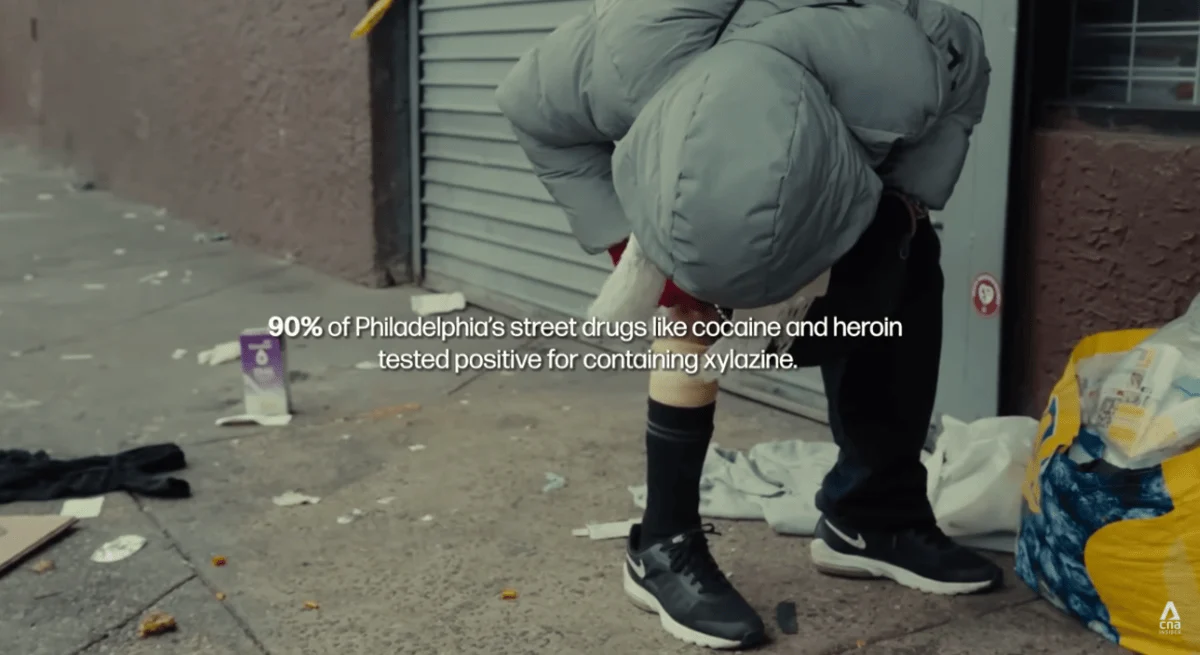
"The thing that’s taking over is the mixtures with heroin, such as tranq. Some of the things we see happening to individuals that is alarming: the loss of limbs, fingers, feet, legs … I would say that’s one of the biggest changes and one of the things that’s most concerning."
"Philadelphia consistently ranks above the national average in terms of crime, especially violent offences. Philadelphia was ranked at 174th position out of 180 cities in a survey for the least safe cities in the USA."
"We’ve seen the opioid epidemic explode in this community. We’ve basically become the ground zero. There are people that are dying on our streets. It’s transition today to heroin now fentanyl laced with xylazine or tranq … the fentanyl that people are addicted to now is literally rotting people from the inside out."
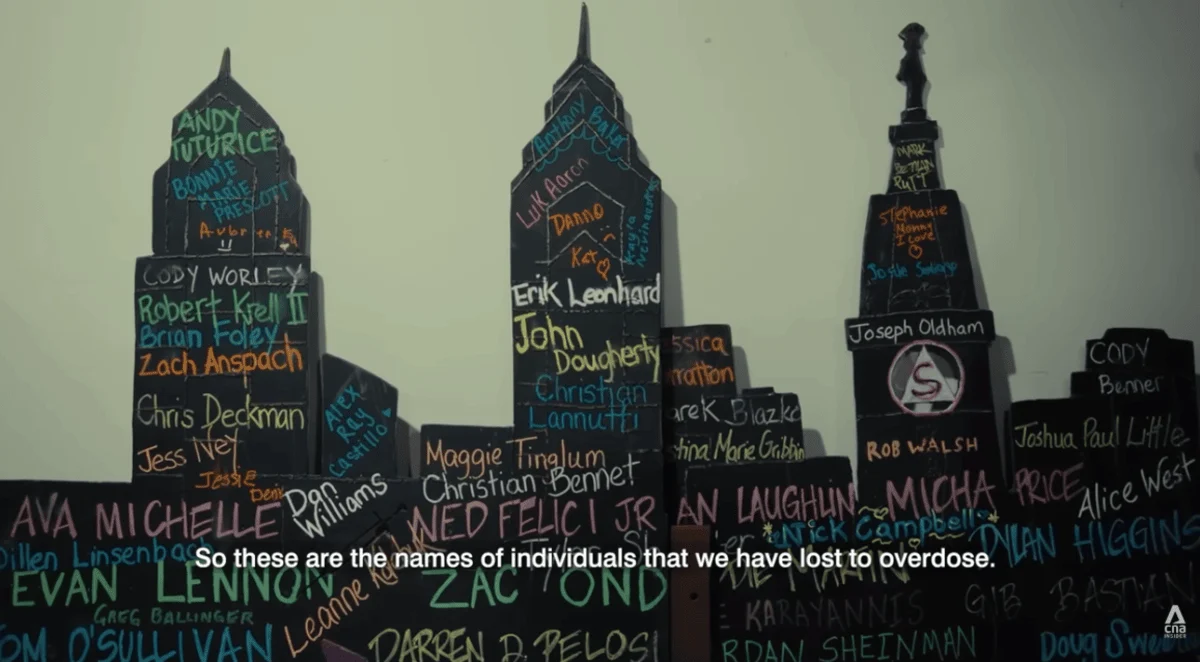
"[These are] preloaded shots of Naloxone, it’s a reversal medication. So, in case we [Savage Sisters] come across somebody that’s overdosing, we can just shoot them up with it really quick … last year we were able to reverse 324 overdoses street side."
"They are my friends, I love them. I know what they’re going through, and I also just know that, when I was down there, I felt like nobody loved me. I felt like I wasn’t worthy of a smile or a hug or a sandwich. And when you connect with people in that way, what else is a friend? Somebody who’s there for you and doesn’t expect anything back. They’re our friends. We might not know them all on a deeply personal level, but we show up for them and if we don’t, who will?"
"The Philadelphia Mayor has banned homeless people from sleeping on the streets. Deaths amongst homeless Philadelphians have tripled, from 43 in 2009 to 132 in 2018."
"The availability of the illegal narcotics in this specific area has attracted a large populace. I challenge the notion that a lot of these people are truly unsheltered or homeless. I really think that the impetus of why they’re here is to feed their addiction. So, it’s more of that right? Trying to combat that open-air drug use."
Oregon, USA
"The State of Oregon experimented with Ballot Measure 110 – a voter-passed initiative that decriminalized drugs in 2020. It’s impact on Oregon’s healthcare services was unprecedented."
"We don't think this decrim approach is working. We have high use of substances, higher levels of depression than most and we're not getting the outcomes that we should be getting in light of the spending and the investments we're making."
"There wasn’t the resources that were needed in order to establish the pathway out for people. Our CHAT program may in fact end as the sun sets on our current grants end and we are unable to obtain any additional funding. The reality is we had hard drug users on our street prior to Measure 110. It certainly increased a lot after Measure 110 occurred. If you’re funded and you have the treatment facilities, everything should align, but we didn’t necessarily have it funded well, as it was discovered."
Continue Learning
Explore the topics covered in this resource with the links below. Whether you're looking for a quick overview, an in-depth article, or another video, these resources can help deepen your understanding. If there's a topic you'd like to see covered or you're looking for something specific, feel free to contact me.


Share Your Review
Your perspective matters. By sharing your honest thoughts, you can help others understand what this resource is really like beyond a simple summary. Whether it resonated with you, challenged your thinking, or wasn't what you expected, your feedback helps build a more useful and transparent collection of addiction and mental health resources.
Your perspective matters and helps improve this collection of addiction and mental health resources.
There are no reviews yet. Be the first one to write one.