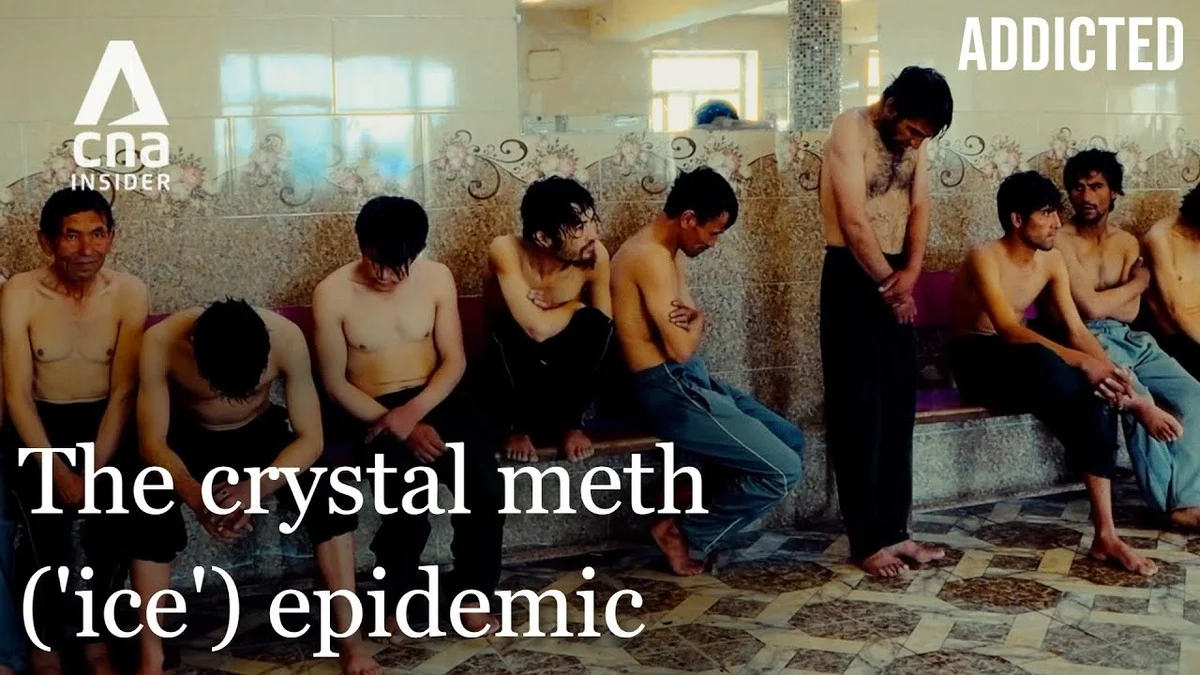
Across Pakistan, Thailand, Canada, and Australia, methamphetamine production, trafficking, addiction, and recovery take very different forms. This investigation follows police raids, rehabilitation programs, border patrols, drug-destruction operations, clandestine laboratories, and wastewater monitoring while tracing the networks that move synthetic drugs across borders. It also examines the role of Myanmar's expanding meth trade, the challenges facing people seeking treatment, and the impact of high-potency drugs on communities. Through law enforcement, experts, treatment workers, and people affected by addiction, the episode reveals the global reach of synthetic drugs.
Thailand's 2003 war on drugs unleashed a violent crackdown on suspected drug users and dealers as authorities faced intense pressure to meet government targets. This investigation follows police, local officials, journalists, and community members as blacklists, arrests, and killings spread across the country. While the government blamed much of the violence on drug traffickers silencing informants, critics raised concerns about extrajudicial killings and innocent people being caught in the campaign. The film examines the fear, stigma, and human cost of an enforcement strategy intended to suppress Thailand's growing yaba crisis.
TOPICS: Crime, Drug Trafficking, Law Enforcement, Methamphetamine, Stigma, Stimulants, Thailand, Yaba
Homeland Security Investigations and Customs and Border Protection track major drug smuggling operations entering the United States in this episode of To Catch a Smuggler. Investigators follow methamphetamine shipments through Atlanta and uncover 560 kilograms of liquid meth concealed inside paint buckets, while officers intercept large quantities of MDMA hidden in international parcels. Along the way, agents explain how trafficking organizations move drugs across borders, recruit lower-level couriers, conceal narcotics in everyday shipments, and build investigations designed to identify higher-ranking members of criminal networks.
TOPICS: Crime, Drug Trafficking, Ecstasy / MDMA, Law Enforcement, Methamphetamine, Stimulants, USA
SBS Dateline travels to Thailand to examine a changing war on drugs as the country confronts widespread yaba use, methamphetamine trafficking, prison overcrowding, and decades of punitive drug policies. Filmed during Thailand's historic move to decriminalize cannabis, the investigation follows anti-trafficking units, social workers, formerly incarcerated people, and communities affected by drug use. It also travels to the Golden Triangle, where instability in neighbouring Myanmar and the growth of synthetic drug production have transformed regional trafficking and contributed to an enormous supply of cheap methamphetamine flowing into Thailand.
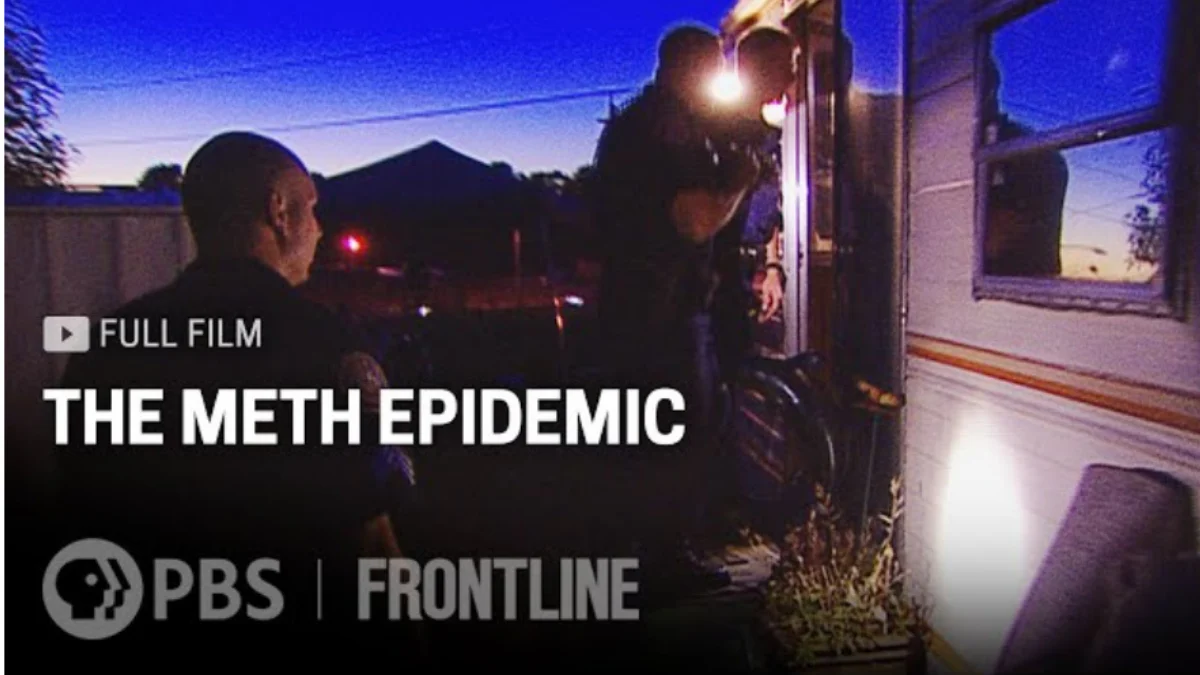
This FRONTLINE documentary examines the rise of the methamphetamine epidemic in the United States, tracing how the drug spread from localized production to a nationwide crisis affecting individuals, families, and communities. It explores the role of precursor chemicals such as ephedrine and pseudoephedrine, the evolution of meth production and trafficking, and the challenges of regulating legitimate medications used to manufacture the drug. Through interviews with researchers, law enforcement, healthcare professionals, and people affected by addiction, the film investigates the devastating impact of methamphetamine and the difficulties of containing its spread.
New Zealand’s war on drugs comes under scrutiny in this investigation of methamphetamine use, criminalization, and the search for more effective solutions. Journalist Guyon Espiner speaks with people directly affected by addiction alongside police, treatment providers, policymakers, and harm reduction advocates. Their experiences reveal the limitations of a system that devotes substantial resources to enforcement while leaving many people without adequate support. By examining treatment referrals, drug checking, poverty, stigma, and decriminalization, this resource presents a compelling case for replacing punishment with compassionate, evidence-based public health approaches.